Renovation at its most refined is rarely loud. It relies on quiet decisions—materials chosen for how they age, light sculpted rather than simply switched on, and layouts that feel inevitable rather than forced. For homeowners planning a renovation today, the most sophisticated design trends are not about spectacle; they are about orchestration. They anticipate future living, curate daily rituals, and ensure your home feels both current and enduring.
Below are five exclusive, under-the-radar insights redefining elevated residential design—each one a lens through which to make sharper, more confident renovation decisions.
Insight 1: Layered Material Narratives, Not Single-Statement Finishes
The era of “one hero finish everywhere” is quietly receding. In its place: layered material narratives that unfold as you move through the home. Rather than a marble moment that shouts, think three or four tactically chosen materials that speak to one another in tone, temperature, and texture.
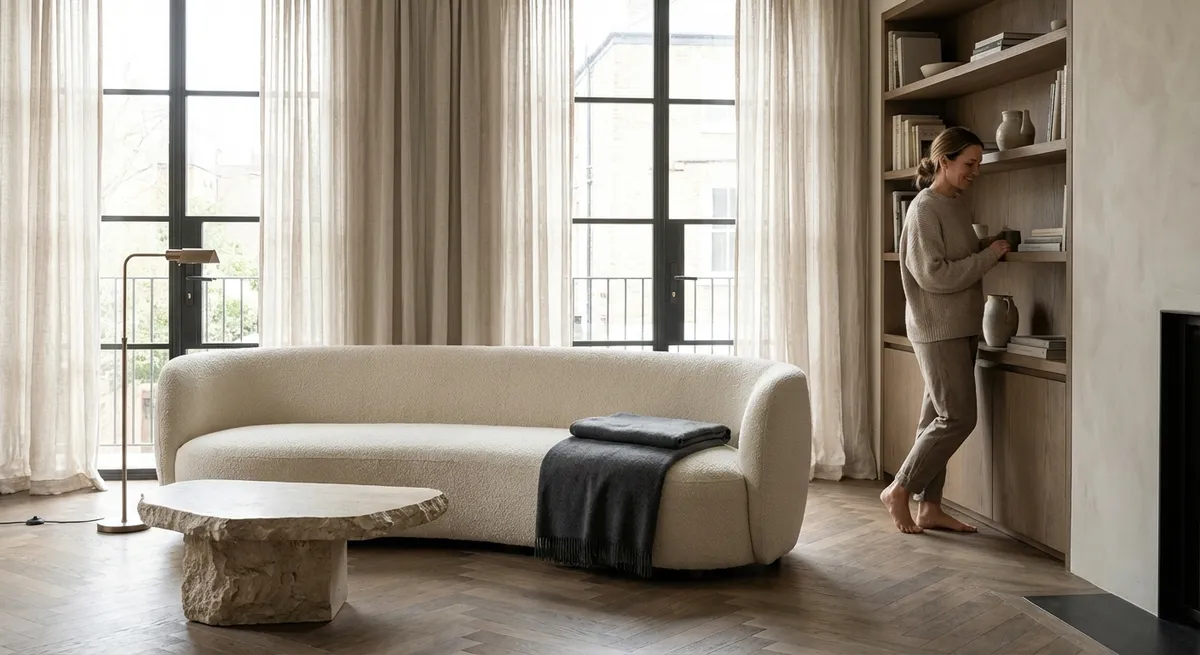
A sophisticated scheme might pair a honed limestone floor with brushed oak millwork, burnished brass hardware, and a deeply matte painted surface. None of these elements compete; they create a sense of visual depth and tactility that photographs beautifully yet feels understated in person.
For renovators, the strategic move is to plan materials as a sequence rather than as isolated selections. How does the flooring in the entry softly transition to the kitchen? Do the stone veining and wood grain feel harmonious in scale? Is there a consistent undertone—warm, cool, or neutral—anchoring the entire palette? When materials are curated as a narrative, your renovation will age gracefully, resisting the fatigue that comes with overused “statement” surfaces.
Insight 2: Architectural Lighting as Atmosphere, Not Accessory
High-end residential lighting is moving well beyond decorative fixtures. The most compelling homes now treat light as architectural infrastructure—a tool for defining mood, hierarchy, and rhythm. Instead of relying on a grid of ceiling downlights, refined renovations weave in layers of illumination: cove lighting, wall washers, concealed LED profiles, and low-level glows that guide movement after dark.
This shift has two key effects. First, it makes spaces feel expensive without necessarily relying on costly fixtures; the luxury lies in the composition, not always in the brand. Second, it allows a single space to serve multiple lives: a kitchen that can feel like a softly lit bar in the evening, a living room that glows rather than glares when entertaining.
Homeowners planning a renovation should bring a lighting designer—or at minimum, a lighting plan—into the process early. Decide where you want drama (grazing light across textured plaster), where you want calm (even, diffuse illumination), and where you want intimacy (dimmed, localized pools). Architectural lighting, designed well, becomes the invisible hand that makes every finish, fabric, and piece of art feel more considered.
Insight 3: Quiet Technology Integration That Protects Aesthetic Integrity
Technology in luxury homes is becoming more powerful and less visible. The most elevated renovations do not celebrate technology; they conceal it. Televisions that vanish into millwork, speakers integrated into ceilings or walls, motorized shades housed in pocketed recesses, and smart-home controls distilled into a few discreet panels or an app—these strategies ensure that performance never undermines visual calm.
The critical insight is to plan for this invisibility structurally. Wall cavities, chase spaces, and ceiling drops can be designed to hide wiring, hardware, and mechanisms. Power and data are positioned with intention: behind future artwork, within joinery, inside closets, and along baseboards where service access is possible but not obvious.
For discerning renovators, the objective is not to own every possible device, but to curate a technology ecosystem that respects the architecture. Ask: Can this be integrated, not added? Will this still feel elegant when the tech spec changes in five years? Does the home remain visually composed when every screen is off? A technologically advanced home should, paradoxically, look calmer, not busier.
Insight 4: Transitional Thresholds as Designed Moments, Not Leftover Space
One of the most sophisticated shifts in residential design is the elevation of “in-between” spaces—entries, corridors, landings, and pass-throughs—from afterthoughts to orchestrated experiences. These transitional areas are now treated as mini-galleries, quiet libraries, or framing devices for views, rather than simple connectors.
Well-resolved thresholds do three things. They reset your pace (a foyer that gently slows you down before entering the main living area), they frame sightlines (a hallway that aligns with a garden view or artwork), and they create micro-moments of character (a bench niche, a sculptural sconce, a textured wall finish). These spaces can be relatively cost-effective to enhance yet dramatically elevate perception of the entire home.
When planning a renovation, resist the urge to simply “optimize circulation” on paper. Instead, walk the imagined routes: Where does your gaze land when you turn a corner? Is there a point for a curated vignette—a console, a pendant, a favorite object? Could a previously ignored hallway become a quiet reading spine with built-in shelving and low lighting? A home that feels truly luxurious rarely wastes its thresholds.
Insight 5: Rooms Oriented Around Daily Rituals, Not Just Functions
Modern floor plans have long been driven by generic labels: kitchen, living room, primary suite, office. The most forward-thinking renovations now begin with personal rituals instead—how you make coffee, decompress after work, host, exercise, or wind down at night. Spaces are then shaped and furnished to choreograph these recurring moments with precision.
This might look like a coffee preparation alcove integrated into a pantry, positioned near morning light and an outlet for your preferred machine. It might be a primary bathroom designed around a nightly spa ritual: dimmable perimeter lighting, a small table aligned with the tub for a book and glass, acoustic consideration for quiet. Or a “day-to-night” living space where concealed storage transforms a work surface into an entertaining bar within minutes.
For homeowners, the key is to map specific daily sequences and assign them design priority. Which three rituals most affect your mood and productivity? Where are current friction points—clutter piles, awkward reaches, poor lighting? A refined renovation doesn’t just give you a “beautiful kitchen”; it gives you a morning workflow that feels almost choreographed. Design trends at the luxury level are less about aesthetics alone and more about orchestrating these private, recurring experiences.
Conclusion
The most compelling design trends today do not shout their presence; they recalibrate how a home feels and functions at a granular level. Layered materials create quiet richness instead of visual noise. Thoughtful lighting sculpts ambiance rather than flooding rooms. Technology recedes from view yet operates seamlessly. Thresholds become curated experiences, and rooms revolve around the rituals that define your life.
As you plan your renovation, treat these five insights as lenses rather than rules. Use them to interrogate every decision: Does this choice support a layered narrative? Does it protect visual calm? Does it honor how I actually live? When your home is designed with this level of intention, trends become less about keeping up and more about setting a quietly elevated standard that endures.
Sources
- American Institute of Architects – Home Design Trends Survey - Offers data on emerging residential design priorities, including layout and lifestyle trends
- Lighting Research Center – Rensselaer Polytechnic Institute - Research on how layered, high-quality lighting affects comfort, perception, and well-being in interior environments
- Harvard Graduate School of Design – Housing and Health Research - Explores links between residential design, routines, and occupant health and satisfaction
- National Association of Home Builders – Technology in the Home - Reports on integration of smart technology, hidden infrastructure, and buyer expectations in modern homes
- U.S. Department of Energy – Residential Lighting - Guidance on efficient, layered lighting strategies and their impact on performance and comfort
Key Takeaway
The most important thing to remember from this article is that this information can change how you think about Design Trends.