The internet’s current obsession with astonishing wood creations—sparked by a viral feature on “50 Times People Made Something Amazing Out Of Wood”—is more than a feel-good scroll. It’s a real-time glimpse into where discerning homeowners are quietly steering their renovation budgets: toward handcrafted, material-driven design that feels both intimate and enduring. In a digital moment dominated by fast trends, these pieces of quietly spectacular joinery, sculpted timbers, and intricate inlays are being shared, saved, and studied like aspirational mood boards.
For homeowners planning a renovation right now, this surge in attention to fine woodworking isn’t just decor inspiration—it signals a broader shift. The most memorable projects are no longer about square footage and surface-level luxury; they’re about craftsmanship that can withstand the closest scrutiny and still surprise. Below, we translate this viral fascination with extraordinary woodwork into five exclusive, practical insights for your own renovation—each rooted in what is resonating online today, but elevated for a home designed to last decades.
Commissioned Craft, Not Catalog Pieces
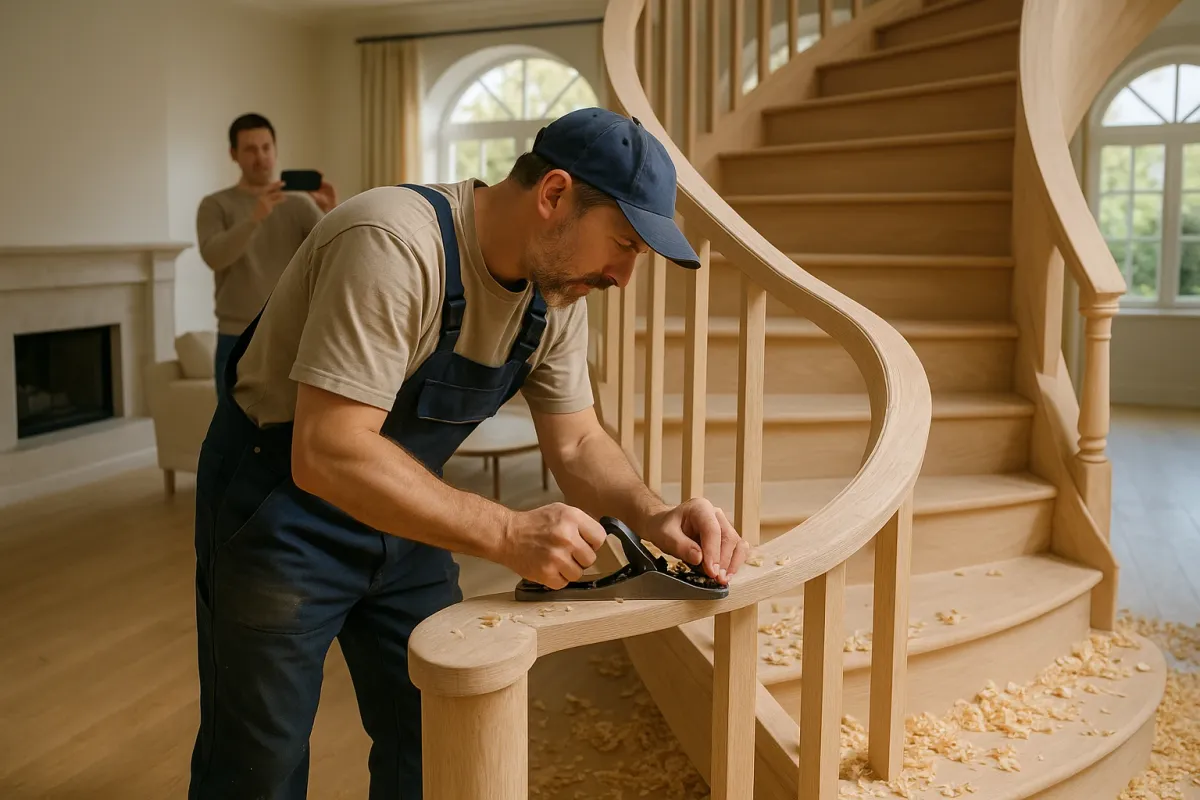
One of the clearest themes from the viral woodwork images circulating today is the sheer individuality of each piece. These are not catalog finds; they are commissions—built for one space, one client, one vision. Homeowners are sharing tables that curve around structural columns, staircases that appear to float like sculpture, and kitchen islands carved from a single, monumental slab of walnut or oak. The effect is not just visual; it changes how you move through the home and how guests experience it.
Translating this into a renovation strategy means allocating a defined “commission budget” from the outset, rather than treating custom elements as late-stage upgrades. Identify one or two architectural touchpoints—a stair, a primary-suite vanity, a library wall, or a dining table that echoes your island—and design them as bespoke statements, not afterthoughts. Involve a specialist joiner or furniture maker as early as you would your architect. When craftsmanship is conceived as part of the architecture, not layered on top, the result feels seamless, intentional, and far more elevated than any off-the-shelf equivalent.
Choose Species the Way You Choose Fabrics
The most shared wood pieces online right now have one subtle but powerful thing in common: the wood species was chosen with the precision of a couture fabric. Tight, calm grain reads modern and architectural; bold, swirling figure feels expressive and artistic. In many of the most striking viral examples, light European oak is used for structure, while darker American walnut or smoked ash appears as a deliberate accent, much like piping or lining in a tailored garment.
For a premium renovation, this means specifying wood with far more nuance than simply “hardwood floors” or “oak cabinetry.” Decide where you want visual quiet and where you want drama. In a long hallway, a straight-grain floor can elongate and calm the space; in a powder room, a heavily figured veneer on the vanity can serve as a jewel-box moment. Ask your design team for real samples—finished, not raw—and view them at different times of day in your actual light. While social media is currently enamored with pale, desaturated woods, remember that depth and contrast often feel more luxurious in person than fully monochrome schemes. A sophisticated home reads like a well-edited wardrobe: cohesion, yes, but never uniformity.
Elevate Structure into Sculpture
Many of the most astonishing wood pieces being shared today blur the line between furniture and fine art—spiral staircases that look impossible, ribbed ceiling canopies that ripple like fabric, or slatted partitions that manipulate light with almost architectural theater. What’s compelling is that these pieces are working hard functionally, even as they read as sculpture. This is where high-end renovation can move beyond “pretty finishes” into something truly memorable.
Instead of adding decorative elements purely for show, identify structural necessities that could be elevated into sculptural moments. A required column can be wrapped in fluted timber and integrated into a banquette; a load-bearing wall can become a curved, slatted screen that defines an entry without fully enclosing it. Discuss with your architect how to “design the necessity,” not hide it. Collaborate with a structural engineer early if you’re considering a statement stair or dramatic overhangs; true luxury is when the engineering is as carefully considered as the aesthetic. The goal is for visitors to feel that the house is effortlessly beautiful, even if the reality involves highly precise detailing behind the scenes.
Design for Patina, Not Perfection
One reason woodwork is resonating so strongly on social feeds today is that it photographs beautifully at every stage of its life. A newly finished oak tabletop gleams under perfect lighting; years later, its soft dents and subtle color shifts tell a richer story, which people are just as eager to share. In a world saturated with overly polished imagery, surfaces that age gracefully are beginning to feel like the new benchmark for understated luxury.
When planning your renovation, resist the impulse to armor everything in hyper-durable, plasticky finishes that never change. Instead, work with your designer to designate “patina-friendly” zones, where natural woods, oiled finishes, and open-grain textures are allowed to evolve. Kitchens and mudrooms can still be high-functioning, but a solid wood prep table, oiled oak handles, or a live-edge bench in the entry can absorb daily life without looking compromised. Specify finishes that can be renewed rather than replaced—an oiled floor that can be refreshed with maintenance coats, for instance, instead of a sealed surface that must be fully sanded when it eventually wears. Thoughtful patina strategy is both an aesthetic decision and a sustainability choice, and it aligns beautifully with the kind of heirloom-quality woodwork the internet is currently celebrating.
Align Your Digital Inspiration with Trade-Ready Detail
The surge of extraordinary woodwork on platforms like Instagram, TikTok, and Pinterest has created an almost unlimited library of inspiration—but it has also widened the gap between what homeowners imagine and what can be cleanly executed on site. Many of the pieces currently going viral are built by highly specialized woodworkers with CNC capabilities, advanced jigs, or boutique studio setups. The difference between “inspired by” and “unbuildable” comes down to how early those technical conversations happen.
As you collect screenshots of sculptural tables, intricate inlays, and impossibly thin profiles, create two parallel folders: one labeled “Atmosphere” (the mood) and one labeled “Detail” (the construction ideas). In design meetings, be explicit about which images are for feeling and which are for literal reference. Ask your contractor which millworkers and joiners they trust for complex work, and bring those craftspeople into the discussion before drawings are finalized. If a detail relies on hidden fixings, precise lighting integration, or a particular radius or thickness, it should be resolved on paper, not improvised on site. The most elegant renovations in this new era of craftsmanship-driven design are those where the digital fantasy has been carefully translated into trade-ready detail, rather than simplistically “value-engineered” at the eleventh hour.
Conclusion
Today’s fascination with extraordinary wood creations is more than just another viral aesthetic; it’s a signal that homeowners and audiences alike are craving authenticity, tactility, and craft you can feel under your fingertips. By treating custom elements as commissioned art, specifying wood with the nuance of couture textiles, elevating structure into sculpture, embracing patina as part of the design, and rigorously aligning inspiration with buildable detail, your renovation can tap into the same energy that’s captivating millions online—without ever feeling derivative.
In a marketplace flooded with quick-fix makeovers and disposable decor, the homes that will define this decade of design are those that wear their craftsmanship proudly. Let the internet’s finest woodwork be a prompt, not a template—and use this moment to create spaces that feel quietly, confidently extraordinary.
Key Takeaway
The most important thing to remember from this article is that this information can change how you think about Home Renovation.