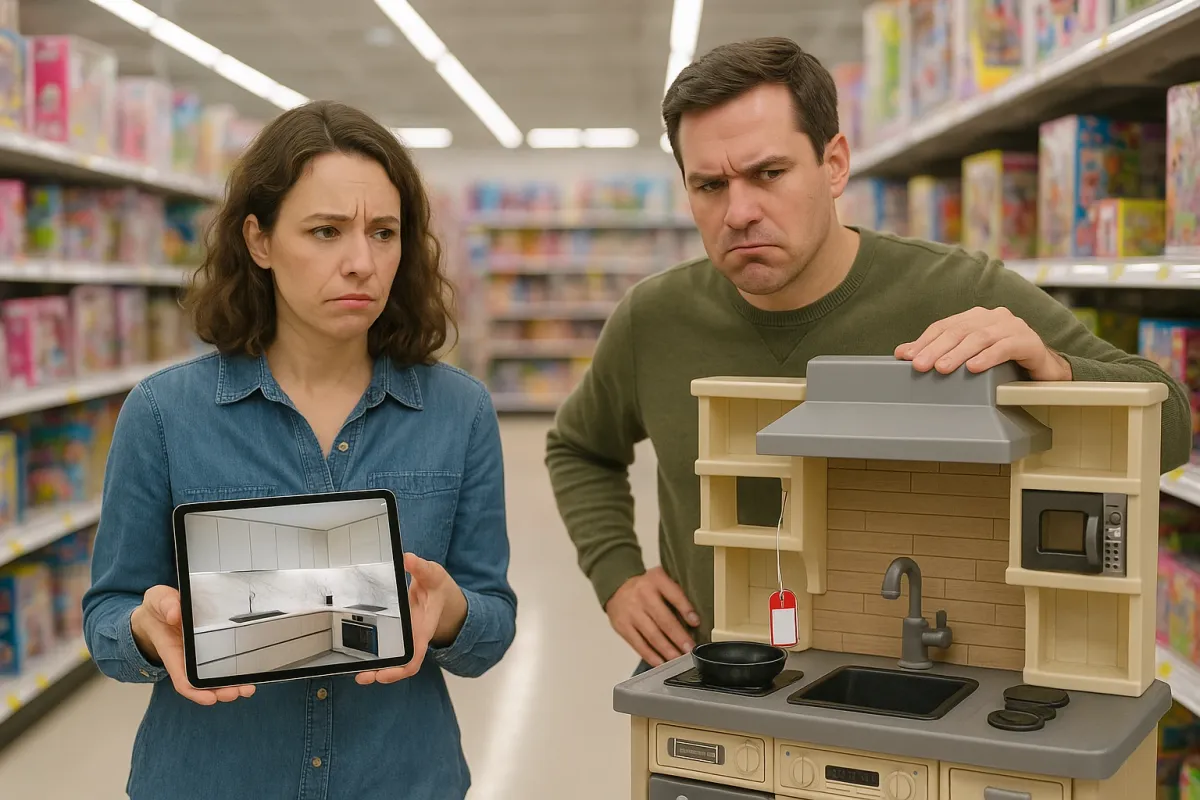
As holiday feeds fill with “toys under $20 that look way more expensive than they are,” one truth is impossible to miss: discerning value has become a social sport. The viral Boredpanda feature on budget-friendly toys isn’t just about clever gifting—it’s a masterclass in perception, signaling, and how high-end style can be created without matching high-end price tags.
For homeowners preparing a renovation, this cultural moment is strikingly relevant. If parents can curate delight and perceived luxury at $20 a piece, there is no excuse for six-figure remodels that feel strangely ordinary. The same instincts driving today’s “looks-expensive-but-isn’t” toy trend can—and should—shape how you allocate every renovation dollar.
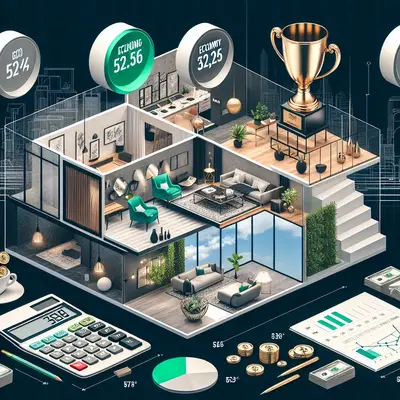
Below, five exclusive, renovation-specific insights inspired by this viral budgeting mindset, tailored for homeowners who expect their homes to look and live like a private boutique hotel, without funding the entire lobby.
1. Budget Like a Curator, Not a Collector
The toy trend is clear: people are no longer blindly spending more to feel generous; they’re editing. Parents and gifters are sifting through endless options, selecting pieces that punch above their price in design, durability, and delight. That same curatorial mindset is the missing link in most renovation budgets.
Instead of thinking, “How much will this renovation cost?” consider, “What am I actually trying to express?” Is it quiet minimalism, tailored hospitality, or gallery-level craftsmanship? Assign budget percentages to expressions, not merely to rooms or line items. For instance, you might decide that your kitchen should communicate “precision and calm,” then allocate more to cabinet hardware, countertop edges, and lighting control, and less to on-trend but forgettable backsplash tile. When your budget is anchored to a narrative, you spend like a curator—strategically—rather than a collector piling up expensive but incoherent choices.
2. Lean Into “Hero Pieces” the Way Smart Shoppers Lean Into One Perfect Gift
In the under-$20 toy universe, a single beautifully designed item can outshine a pile of forgettable plastic. Renovations work the same way. The fastest way to drain a budget is by trying to make everything special. The fastest way to achieve a premium effect is by choosing a few things to be extraordinary—and letting the rest be quietly impeccable.
For a renovation, your hero pieces might be:
- A single, sculptural kitchen faucet that feels like jewelry
- A monolithic stone island with flawless proportion
- Full-height drapery in a tailored fabric that visually “lifts” the ceilings
- A meticulously detailed front door that upgrades the entire façade
Once you select two to three hero elements per major space, use them to guide the rest of your selections. Surround them with elegant, restrained, cost-conscious materials that support, never compete. This approach mirrors the toy trend: one or two cleverly chosen items carry the emotional and visual load, proving that luxury is about focus, not volume.
3. Study Perceived Quality, Not Just Price Tags
What makes those under-$20 toys go viral is not simply their low price—it’s the way they photograph, unbox, and perform. Parents notice the finish, the packaging, the tactile feel in the hand. The world has become acutely literate in perceived quality, and your renovation needs to be, too.
Perceived quality in a home comes from a handful of controllable details:
- Transitions: Where floor meets wall, tile meets drywall, wood meets stone. Upgrading to cleaner edge profiles, slim baseboards with a shadow reveal, or perfectly aligned grout lines can make inexpensive materials read as architectural rather than builder-basic.
- Touchpoints: Handles, switches, faucets, and door levers are the renovation equivalent of luxury packaging. A budget quartz countertop can feel tailored when paired with a weighty, well-finished pull or a silent, soft-close hinge.
- Consistency: Repeating a small set of finishes with discipline—rather than chasing every micro-trend—creates a considered, “designed” feel at any price point.
As with toys that “look more expensive than they are,” your best renovation spend is often on how materials meet the eye and hand, not solely on what the specification list boasts.
4. Design for Daily Delight, Not Just Big Reveals
The popularity of these toy roundups lies partly in one insight: modest purchases, when thoughtful, can deliver outsized daily joy. Parents know the most-played-with toy is rarely the most expensive; it’s the one that integrates effortlessly into everyday life. Renovation budgets should be structured with the same realism.
Instead of chasing purely photogenic moments, allocate a clear portion of your budget to everyday choreography:
- Circulation: Widening a hallway by a few inches, aligning door swings, or simplifying a circulation route can transform the way your home feels, every single day.
- Light and Shadow: Introducing dimmable, layered lighting—task, ambient, and accent—often costs less than a single statement chandelier, yet elevates the entire home from “lit” to atmospheric.
- Maintenance Ease: Choosing a mid-range, high-performance surface over a delicate, ultra-premium material can produce more long-term satisfaction, because it allows you to live fully in the space instead of tiptoeing around it.
Budgeting for functional grace—silent drawers, doors that close with a hush, storage that anticipates your habits—creates the same magic as an unexpectedly perfect $20 gift: delight not just once, but repeatedly.
5. Borrow the “High-Low” Playbook—But Execute It Like a Boutique Hotel
Those viral toy lists are essentially high-low styling: pairing a low price point with a high-design look. In hospitality, boutique hotels have been doing this for years—combining economical base builds with strategically luxurious surfaces and experiences. Homeowners can apply the same logic with far more intention than the average renovation often receives.
Consider this high-low framework:
- Go High: On structural moves that can’t be easily changed—windows, room proportions, insulation, and core mechanicals. This is your “infrastructure luxury,” silently improving comfort, acoustics, and long-term value.
- Go Considered, Not Automatically High: On finishes that are easily replaced but highly visible—paint, tile, lighting. Select these as though you’re styling a beautifully photographed space: a tight palette, consistent metals, and deliberate contrast.
- Go Low-But-Clever: On items that are frequently updated or mostly background—closet interiors, secondary baths, children’s zones. Use durable, cost-effective materials but apply them with a designer’s eye: stacked instead of staggered tile, color-blocked paint, simple but refined hardware.
Like the best budget-friendly toys, your renovation should feel indulgent where it counts and intelligently restrained everywhere else. The true marker of premium budgeting is not how much you spend, but how little your compromises are visible.
Conclusion
The current obsession with toys that “look more expensive than they are” is not a frivolous trend—it’s a reflection of a wider cultural pivot toward informed, aesthetically literate spending. Homeowners who absorb that mindset before they renovate will see their budgets behave very differently.
By curating rather than collecting, investing in hero pieces, prioritizing perceived quality, designing for daily delight, and mastering a boutique-style high-low strategy, you turn your renovation from a blunt expenditure into a finely tuned instrument. In an era when even a $20 toy is expected to feel thoughtfully designed, a premium home has no excuse to be anything less than exquisitely intentional—at every price point.
Key Takeaway
The most important thing to remember from this article is that this information can change how you think about Budget Management.