The internet has a new guilty pleasure: scrolling through “real estate listings from hell.” The viral Bored Panda roundup of disastrously staged, poorly renovated, and architecturally confusing homes has become a kind of digital horror show for design lovers—and an unexpected masterclass for anyone planning a renovation.
Behind the laughs and gasps lies a serious truth: in a world where every property can be screenshotted, shared, and shamed, careless renovation is no longer just unattractive—it’s reputational and financial risk. Your home is now part of an endlessly scrollable feed, and the standards have shifted accordingly.
Drawing on the cautionary tales highlighted in those infamous listings, here are five refined, forward-looking insights for homeowners who want their renovation to stand out for the right reasons—today, and a decade from now.
Design with the Camera in Mind, Not Just the Floor Plan
One takeaway from the “listings from hell” trend: the camera is merciless. Crooked tile, awkward soffits, strange window alignments, and cluttered sightlines all read more harshly in photos than they might feel in person. In a real estate market driven by portals and social media, your renovation must perform on screens before it ever has a chance to impress in real life.
Begin your planning process by thinking in “frames,” not just rooms. Stand at entry points and major thresholds and imagine the photos an agent—or a future buyer—would take. Are you creating clean, uninterrupted sightlines, or visual chaos? Are lighting levels balanced enough that a phone camera won’t exaggerate shadows and make rooms look smaller? Ask your designer to share 3D visualizations and mock “listing photos” for key angles before you finalize layouts. This extra step, common practice in high-end hospitality projects, will help you avoid the jarring perspectives that make so many viral bad listings unforgettable for all the wrong reasons.
Resist the Gimmick: Architectural Novelty Ages Faster Than You Think
Many of the most-shared nightmare listings have one thing in common: a renovation decision that tried too hard to be clever. Toilets randomly installed in open spaces, bathtubs in kitchens, stairs that seem to lead nowhere—these are extreme examples, but they stem from the same problem: prioritizing novelty over coherence.
In a market increasingly shaped by design-aware buyers, the true luxury is not shock value but considered restraint. When making bold moves—an internal glass wall, a double-height library, a sunken conversation pit—ask two questions: does this respect the architecture of the home, and will it still feel dignified in ten years? High-end hotels and flagship retail spaces offer a useful benchmark: they integrate drama, but always in service of flow, proportion, and brand identity. Treat your home renovation the same way. A single sculptural staircase or meticulously detailed kitchen archway will quietly outclass a dozen attention-grabbing but disjointed “statement” features that might land you in the next viral gallery of design regrets.
Elevate the Invisible: Quality of Execution Is the New Status Symbol
The most unsettling part of many disastrous listings isn’t the wild concept—it’s the poor execution. Off-center fixtures, mismatched grout lines, badly placed outlets, ill-fitted cabinetry: these are the details that instantly betray a renovation done on the cheap, regardless of how expensive the finishes may be.
Sophisticated homeowners are increasingly embracing a different hierarchy of value: precision over spectacle. Before you splurge on exotic stone or custom wallpaper, invest in the trades and processes that make every surface feel intentionally crafted. That means:
- A meticulous tile setter who can align patterns seamlessly through corners.
- A millworker who measures, templates, and dry-fits cabinetry before final installation.
- An electrician who plans lighting as a layered composition, not just a grid of downlights.
In photographs—the very medium through which most buyers and followers now encounter interiors—quality of execution reads more clearly than brand names. A perfectly aligned shadow gap or elegantly recessed curtain track communicates investment and care in a way that no logo ever could.
Curate, Don’t Clutter: Staging as a Strategic Design Discipline
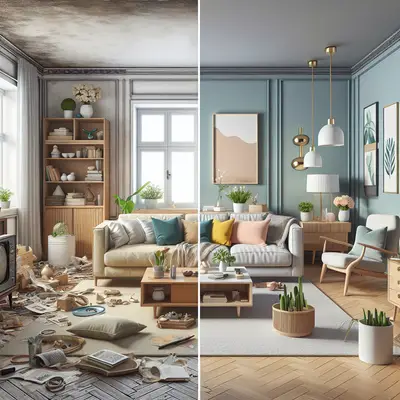
One reason those “real estate listings from hell” perform so well online is the unintentional comedy of bad staging: personal items scattered in every frame, mismatched furnishings crammed into small rooms, or renovations partly complete yet fully photographed. In an age where even modest homes are professionally staged for sale, lived-in chaos feels particularly jarring.
Whether you’re renovating to stay or preparing to sell, it pays to treat your interior as a curated visual story. This doesn’t mean stripping away personality; it means editing with intent. Design built-in storage early in the renovation so everyday life can be concealed, allowing architecture and materials to be the focus. Specify integrated niches for art and objects, rather than relying on random surfaces that inevitably accumulate clutter. Prioritize cohesive color stories from room to room, so that a real estate photographer—or you, posting to social media—can move through the home without jarring visual interruptions. The most coveted interiors online today are not necessarily the most opulent; they’re the most composed.
Future-Proof the Plan: Think Like the Next Owner (and the Algorithm)
Many of the homes appearing in “listings from hell” carry the scars of deeply personal, highly specific renovations that haven’t aged well—floor plans contorted to accommodate one family’s quirks, garages converted into low-ceilinged bonus rooms, or kitchens that ignore work triangles in favor of fleeting trends. In a digital marketplace where properties are compared side-by-side within seconds, such idiosyncrasies become liabilities.
When planning your renovation, design as if you were creating the “hero listing” that will one day be competing for attention in a crowded feed. That means:
- Keeping plumbing cores rational, to avoid inexplicable bathroom placements or oddly bisected rooms.
- Preserving at least one traditional bedroom layout per floor, even if you’re customizing others into offices or dressing rooms.
- Making major investments—kitchens, primary suites, outdoor spaces—both distinctive and adaptable, with room for future owners to interpret them in their own style.
Also consider how your home will be read by the platforms themselves. Abundant natural light, strong indoor-outdoor connections, and clear room functions all translate into images that algorithms—and humans—reward with engagement. You’re not just designing for your own comfort; you’re crafting a digital-first asset that should feel as compelling in a thumbnail as it does in person.
Conclusion
The popularity of “real estate listings from hell” isn’t just entertainment; it’s a stark warning. In an era where the worst renovation decisions can be immortalized in a meme, excellence in design is no longer optional for the discerning homeowner—it’s a form of risk management and long-term value creation.
Approach your renovation as a carefully composed narrative: camera-conscious, architecturally coherent, impeccably executed, rigorously edited, and gracefully future-proofed. Do that, and your home will never be the subject of viral ridicule. Instead, it will quietly join a different, far more desirable category—the spaces people screenshot for inspiration, not for laughs.
Key Takeaway
The most important thing to remember from this article is that this information can change how you think about Home Renovation.