The most compelling homes today do not shout their sophistication; they suggest it. In an era saturated with surface-level trends, the truly refined renovation is moving toward quieter forms of luxury—thoughtful details, concealed capabilities, and atmospheres that unfold slowly rather than perform for the camera. For homeowners planning a renovation, understanding these subtler design currents is the difference between a space that feels “updated” and one that feels enduringly elevated.
Below are five exclusive, under-the-radar insights guiding discerning renovators—signals of where high-end design is genuinely heading, beyond the algorithm and into the realm of considered living.
1. The Rise of “Soft Tech”: Integrating Innovation Without Visual Noise
The most sophisticated homes are no longer defined by visible gadgetry. Instead, they are underwritten by “soft tech”—high performance, low visibility.
Rather than walls punctuated with switches and devices, lighting, climate, and shading can be orchestrated discreetly through minimal interfaces, voice control, or hidden panels. The emphasis is on preserving the purity of surfaces and architectural lines while quietly elevating comfort. For a renovation, this might mean wiring for future automation within walls, specifying low-profile sensors, and consolidating controls into a single, refined touchpoint instead of scattering hardware throughout a space.
Soft tech also includes near-invisible performance upgrades: insulated subfloors that reduce sound transmission between levels, smart glass that tints automatically without heavy drapery, or linear slot diffusers that replace bulky HVAC grilles. The effect is a room that feels unusually calm and composed, but not obviously “high-tech.” Homeowners who plan ahead for this invisible backbone create homes that age gracefully, both aesthetically and functionally.
2. Dimensional Minimalism: Clean Lines With Layered Depth
Minimalism is evolving. The new expression is not about sterility or emptiness; it’s about disciplined restraint layered with tactile richness—a mode we might call dimensional minimalism.
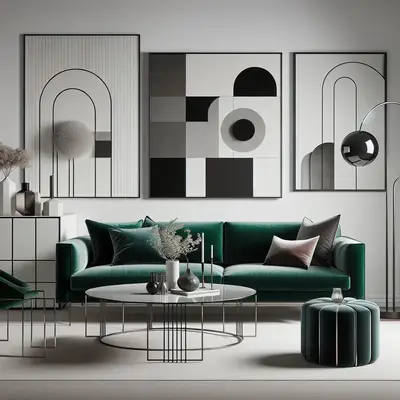
Instead of visual clutter, interest arises from subtle shadow play, variation in sheen, and shifts in texture within a restrained palette. Picture a kitchen where cabinetry, wall color, and stone counters live in the same tonal family, but differ in gloss, texture, and depth—creating an interior that feels composed rather than flat. Fluted stone on an island base, micro-beveled cabinet fronts, or a plaster hood with a barely perceptible curve can provide nuance without breaking the serene envelope.
For renovators, this means redirecting budget from overt ornamentation to meticulous detailing: perfectly aligned reveals, concealed hinges, flush door casings, and integrated pulls. The sophistication lies less in what you add and more in what you edit. When fewer elements compete for attention, the quality of each individual material becomes paramount—and unmistakably luxurious.
3. Material Honesty with Tailored Refinement
There is a quiet shift toward materials that feel honest, yet impeccably tailored. Instead of artificial perfection, refined homes are embracing controlled imperfection: stone with pronounced veining, brushed metals that will patinate, and woods with visible grain—precisely finished, not over-sanitized.
This does not mean rusticity. The luxury lies in how these materials are cut, finished, and joined. A heavily veined marble becomes urbane when detailed with razor-thin edges and bookmatched slabs. A characterful oak floor reads sophisticated when laid in a precise chevron pattern with perfectly aligned borders. Limewash on walls, when carefully executed, can feel as considered as any high-gloss lacquer.
Homeowners planning renovations should ask not only “what material?” but “how will it meet another material?” The junctions—where stone meets wood, where tile meets plaster, where metal meets glass—often distinguish a generic renovation from a cultivated one. Investing in mockups, edge profiles, and transition details elevates natural materials into architecture rather than decoration.
4. Hospitality-Level Circulation: Designing for Movement, Not Just Rooms
A hallmark of elevated residential design is the way one moves through the home. Borrowing from high-end hospitality, sophisticated renovations are increasingly concerned with circulation—how each step feels, what comes into view, and where the eye is gently led.
This may translate into a soft sequence of compression and release: narrower, darker transitional corridors opening into luminous main spaces; a subtly lowered ceiling at an entry that then lifts dramatically in the living area. Views are curated: an art wall revealed at the end of a hallway, a framed garden vignette from the kitchen sink, or a deliberate alignment between front door and a distant focal point.
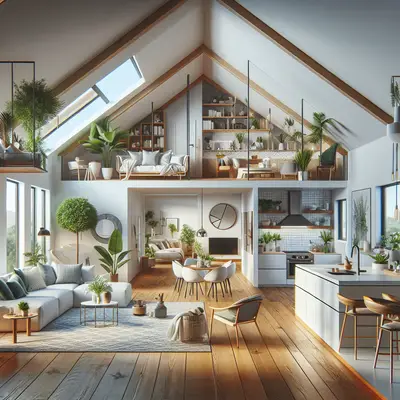
For renovation planning, this insight encourages homeowners to think beyond room-by-room updates. Sometimes removing a single wall, widening an opening, or re-centering a doorway unlocks a sense of flow that makes the entire home feel more generous. Equally crucial is the choreography of thresholds: floor transitions kept to a minimum, consistent door heights, and aligned sightlines that make the home feel both expansive and intentionally ordered.
5. Atmosphere as a Design Brief: Crafting a Signature “Home Light”
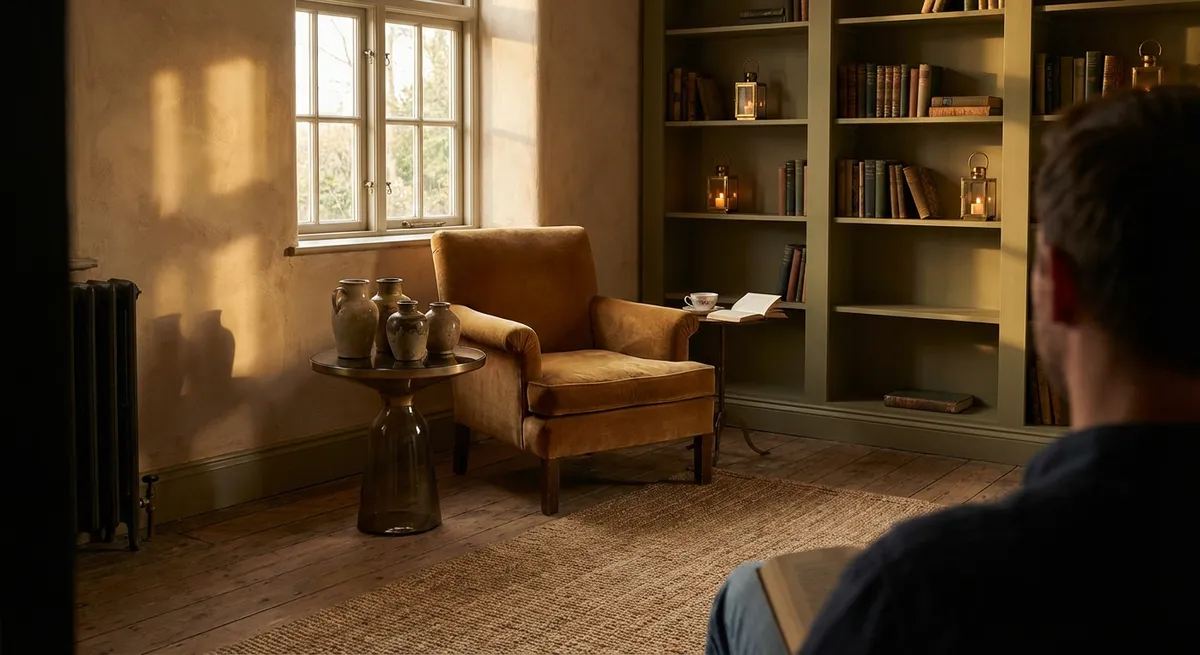
In the most memorable homes, what lingers is not a particular sofa or tile—it is the atmosphere. Increasingly, high-end renovations treat light as a primary material, shaping a “signature home light” that feels instantly recognizable and deeply comforting.
This begins with natural light: enlarging or relocating windows to capture specific qualities of daylight, introducing clerestory glazing to borrow light from above, or using glass partitions to share light between interior rooms. It continues with layered artificial lighting—combining ambient, task, and accent sources—to create different moods at different hours. Linear LEDs hidden in coves, wall washers that graze textured plaster, and highly focused art lights all contribute to a quietly orchestrated ambiance.
Homeowners should think of lighting at the very beginning of a renovation, not as the last layer. Decisions about ceiling heights, soffits, window placement, and even furniture layouts directly influence how light behaves. Creating a simple “lighting narrative” (for example: soft, diffuse mornings; crisp, activating afternoons; warm, enveloping evenings) provides a conceptual thread that keeps selections coherent and elevates everyday rituals into experiences.
Conclusion
The most refined renovations today are less about spectacle and more about calibration—of technology, materials, movement, and light. For the homeowner intent on creating a cultivated home, the real opportunity lies in what is quietly orchestrated behind the scenes and at the smallest scale of detail.
By embracing soft tech, dimensional minimalism, materially honest refinement, hospitality-level circulation, and a signature approach to atmosphere, your renovation can transcend trend and drift into something rarer: a home that feels both current and timeless, effortlessly luxurious yet profoundly livable. These are not upgrades for the next listing; they are investments in the way you experience every single day within your walls.
Sources
- American Institute of Architects – Home Design Trends Survey – Insights into evolving priorities in residential design, including technology integration and layout preferences.
- Harvard Joint Center for Housing Studies – Improving America’s Housing – Research on renovation patterns, spending priorities, and how homeowners are upgrading performance and comfort.
- U.S. Department of Energy – Energy Saver: Windows, Doors, and Skylights – Technical guidance on optimizing natural light, glazing, and envelope performance during renovations.
- Illuminating Engineering Society (IES) – Lighting Education – Authoritative resources on architectural lighting design principles, layering, and visual comfort.
- MIT School of Architecture + Planning – Design and Computation – Explorations at the intersection of design, technology, and built environments that inform “soft tech” integration in contemporary homes.
Key Takeaway
The most important thing to remember from this article is that this information can change how you think about Design Trends.