Every few years, design trends reorganize the visual language of our homes—but the most enduring ideas rarely shout for attention. They whisper. For homeowners contemplating a renovation, the true luxury lies not in ostentation, but in the quiet assurance that every inch has been deliberately, beautifully resolved. This is where design ceases to be cosmetic and becomes a long-term strategy for how you live, host, and restore yourself.
Below are five exclusive, emerging currents in residential design—less about fleeting fashion, more about intelligent, future-proof elegance. Each offers a lens through which to plan a renovation that will feel as considered in a decade as it does on the day the last tradesperson leaves.
1. The “Soft Architecture” Approach: Sculpting Space Without Structural Drama
Renovation once implied major demolition—walls down, beams up, chaos everywhere. Increasingly, sophisticated homeowners are embracing “soft architecture”: using built-ins, thresholds, layered lighting, and subtle level changes to shape space without invasive structural work.
Think of it as architectural tailoring rather than reconstructive surgery. Instead of removing a wall between the kitchen and dining room, a millwork portal with integrated shelving can create a sense of flow while still framing each zone. A gently raised platform under a dining area, or a ceiling recess above a seating group, can delineate function as effectively as a wall, while preserving openness and light.
Soft architecture relies on:
- Custom millwork as spatial definition: fluted panels, bookcases, and bench seating that subtly demarcate zones.
- Thresholds and portals: widened doorways framed in timber, plaster, or stone that create transitions rather than abrupt breaks.
- Ceiling articulation: coffers, shadow gaps, and varying heights that visually “tune” each area for its purpose.
- Textural shifts: stone under dining tables, timber under lounges, softly looped wool in bedrooms—each material quietly signaling a different mode of living.
The beauty of this approach lies in its longevity and adaptability. Soft architectural moves can be updated more easily than major structural changes, protecting your investment while allowing future refinement as your lifestyle evolves.
2. Tactile Quiet Luxury: When Material Selections Do the Talking
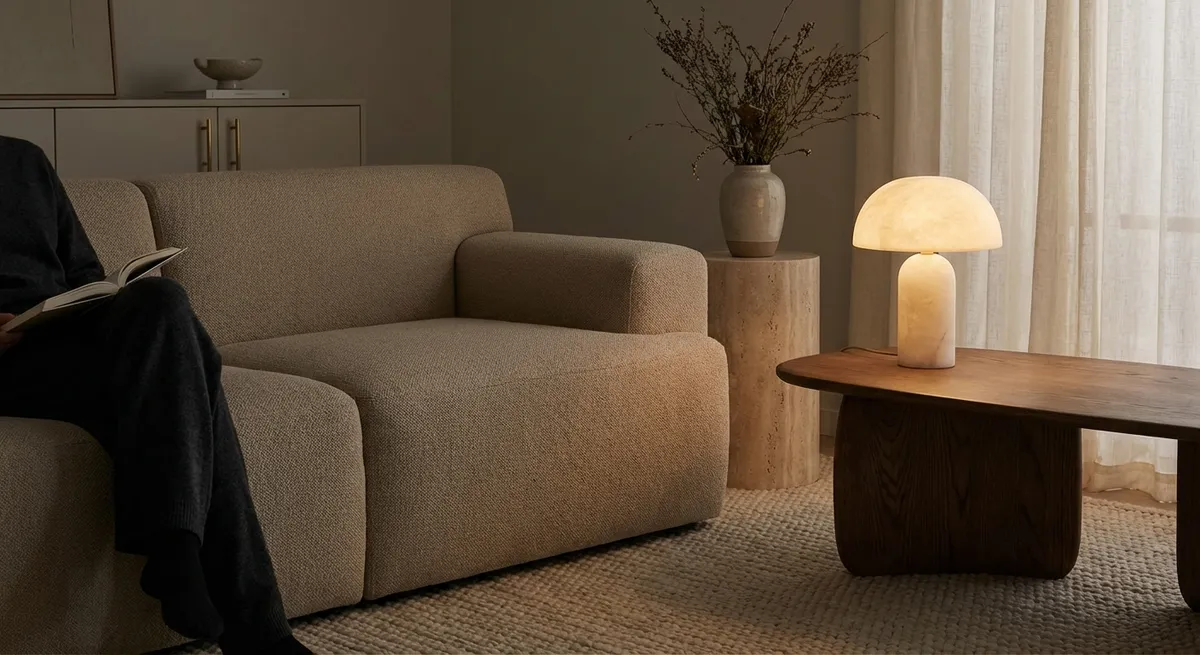
The most forward-thinking homes have stepped away from high-gloss spectacle toward a richer, more tactile language of luxury. Rather than attention-seeking finishes, design is leaning into materials that reward close inspection: honed stone, hand-troweled plaster, oiled timber, woven grasses, and textiles with palpable depth.
When planning a renovation, the sophisticated question is not “What color should this be?” but “How should this feel in the hand, underfoot, and in peripheral vision?” Understated, high-quality materials signal refinement by how they age:
- Honed limestone and marble develop a soft patina that looks better with years of use.
- Solid timber flooring, finished in matte oil, takes on character instead of looking “damaged.”
- Limewash and plaster walls catch light in nuanced ways that paint cannot, giving even simple rooms a gallery-like calm.
- Natural fiber textiles—wool, linen, silk blends—soften acoustics and add layers of visual warmth.
This tactile quiet luxury approach is also strategic. A restrained palette of superb foundational materials allows you to upgrade easily with lighting, art, and furnishings over time. The envelope of your home becomes a timeless backdrop, not a trend piece, ensuring the renovation continues to feel intentional as fashions shift.
3. Discreet Technology: Concealed Intelligence, Not Visible Gadgets
The smartest homes today are moving away from walls bristling with screens and visible hardware. Instead, the future of high-end renovation is elegantly concealed technology—integrated, centralized, and nearly invisible.
The aspiration is a home that feels analog in its calm, but is digitally orchestrated behind the scenes. Achieving this requires coordination early in the renovation planning:
- Centralized control systems discreetly manage lighting scenes, climate, and window treatments via recessed keypads or a single app—no more wall clutter.
- Architectural lighting—cove lights, recessed micro-downlights, and integrated joinery lighting—emphasizes ambience over fixtures.
- Invisible audio with in-ceiling speakers or plaster-in systems allows music to envelop a room without visual impact.
- Hidden infrastructure: well-planned conduits, access panels, and equipment rooms make future upgrades possible without tearing into finished walls.
Crucially, refined homes now treat tech as a silent partner, not the star. Charging drawers in kitchens, concealed printer cupboards in studies, and built-in cable management in living rooms allow surfaces to remain as calm as the interface. The result is a home that feels serenely analogue while functioning at the highest digital standard—luxury defined by ease, not excess.
4. Multi-Modal Rooms: Designing for Overlapping Lives, Not Single Uses
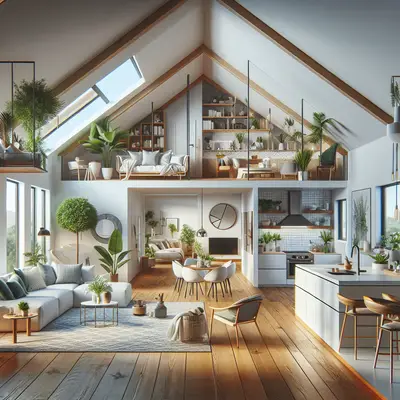
Traditional floor plans assigned each room a fixed identity—dining room, guest room, study. Contemporary living, especially in urban and high-value markets, demands more elasticity. The most forward-looking renovations now design “multi-modal” rooms: spaces that transition effortlessly between two or three sophisticated uses without feeling improvised.
This is not about folding tables and makeshift desks; it’s about dignified adaptability:
- The daytime office / evening salon: a room with integrated desk millwork and concealed storage that, when closed, reads as a refined sitting room for guests.
- The media lounge / occasional guest suite: a room anchored by a deep, upholstered daybed or banquette, with joinery that hides a pull-down bed or offers a serene guest setup without feeling like a compromise.
- The performative kitchen / private chef’s workspace: zones allowing everyday cooking to remain concealed while an island and bar area cater to entertaining with ease.
Key to this trend is the avoidance of visual clutter. Integrated storage, thoughtfully scaled furniture, and harmonious finishes ensure the room feels coherent in every mode. This multi-modal logic not only elevates day-to-day living; it also enhances perceived square footage and market appeal, as each square meter works harder—and more gracefully—for you.
5. Curated Contrast: Elevating Character Without Chaotic Eclecticism
Design discourse has largely moved beyond strict minimalism and themed “styles.” The new sophistication lies in curated contrast: deliberately pairing elements from different eras, textures, and forms to create tension that feels intelligent rather than chaotic.
This is not random eclecticism. It’s a considered dialogue:
- A monolithic stone island paired with slender, almost delicate timber stools.
- Crisp, architectural lines softened by a single, deeply curved sofa.
- A contemporary, frameless doorway that opens into a room anchored by an heirloom rug or antique cabinet.
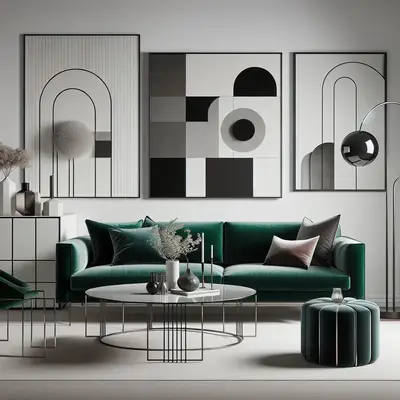
- A largely neutral envelope punctuated by one highly saturated space—a study in deep green or a powder room cloaked in patterned stone.
Curated contrast ensures your renovation does not feel like a developer’s specification, but like a life that has unfolded with taste and discernment. It allows personal collections—art, ceramics, books, travel finds—to sit comfortably within a contemporary shell. The most memorable homes now feel “collected” rather than “installed,” and this is almost always the result of intentional, artful contrast embedded in the renovation’s design DNA.
Conclusion
A truly elevated renovation is less about chasing what is “in” this year and more about orchestrating experiences—how morning light hits a plastered wall, how sound softens in a wool-carpeted bedroom, how guests move effortlessly from aperitif to dinner without glimpsing the day’s disorder.
By embracing soft architecture, tactile quiet luxury, discreet technology, multi-modal rooms, and curated contrast, homeowners position their spaces not just to look current, but to live exceptionally well over time. The reward is a home that feels composed yet effortless—a place where every detail has been argued over, quietly, in your favor.
Sources
- Harvard Joint Center for Housing Studies – Remodeling Futures Program – Research and insights on renovation trends and homeowner behavior
- American Institute of Architects (AIA) Home Design Trends Survey – Data on evolving residential design priorities and features
- U.S. Department of Energy – Energy Saver – Guidance on efficient systems and technologies relevant to discreet, high-performance homes
- The New York Times – Design Section – Reporting on contemporary interior design, architecture, and cultural design shifts
- Royal Institute of British Architects (RIBA) – House and Home – Architectural perspectives on residential layouts, materiality, and spatial strategy
Key Takeaway
The most important thing to remember from this article is that this information can change how you think about Design Trends.