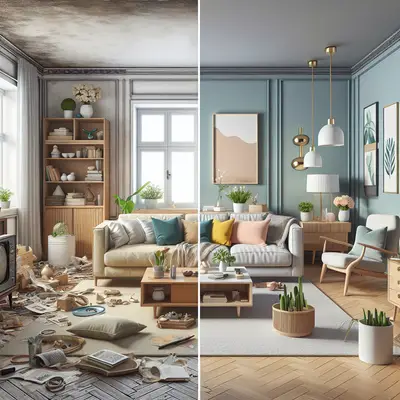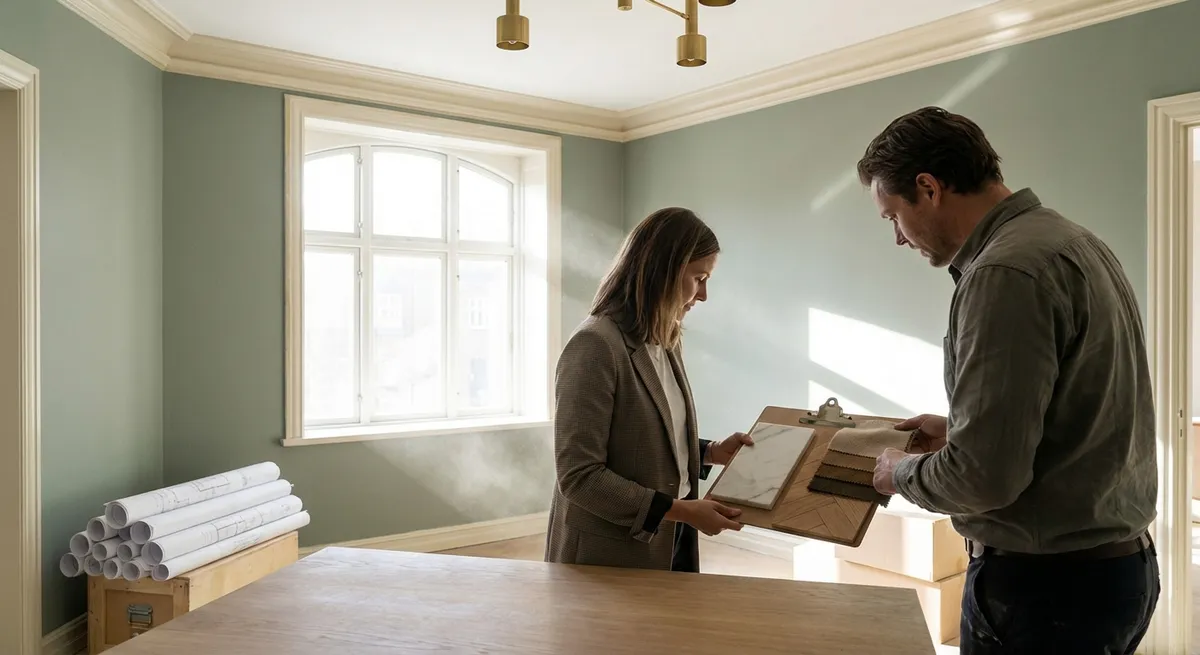
A refined renovation is never just about new finishes or updated appliances. It is about orchestrating flow, light, proportion, and function so that every moment in the home feels quietly elevated. For discerning homeowners, the true measure of a successful renovation is not how “different” the space looks, but how effortlessly it serves the way they live—today and a decade from now.
Below are five exclusive, under-discussed insights that experienced renovators and high-end designers quietly rely on, yet rarely headline in standard renovation guides. Together, they form a more nuanced way to think about reshaping your home with intention and finesse.
1. Designing for Micro-Moments, Not Just Rooms
Most renovation plans are drawn around rooms; exceptional renovations are imagined around micro-moments. Instead of asking, “What should we do with the living room?” ask, “What should it feel like at 6 a.m. when someone reads here, or at 9 p.m. when guests linger over a glass of wine?”
Consider how these micro-moments can influence design:
- The early-morning coffee ritual: Is there a dedicated prep zone with quiet-close drawers, concealed outlets, and under-cabinet lighting that can be used half-asleep without waking the household?
- The transition home from a long day: Does the entry sequence allow for an elegant but practical “landing” area—somewhere that gracefully absorbs shoes, keys, work bags, and parcels without visual clutter?
- The in-between spaces: Short hallway stretches, stair landings, and corners near windows can be designed as purposeful pauses—reading niches, slim console vignettes, or art-focused sightlines instead of dead zones.
By mapping your day into 10–15 recurring moments and then supporting each with intentional design, you transform your renovation from a purely visual exercise into a deeply experiential one. The result is a home that feels intuitively “right” even to visitors who cannot pinpoint why.
2. Curating Sightlines as Carefully as Finishes
In premium projects, what you see from every angle is as deliberate as the materials themselves. A sophisticated renovation begins with drawing key sightlines: what you see when you enter the front door, when you are seated at the dining table, when you cook, when you look up from your desk.
This concept shapes both structure and styling:
- Edit visual noise: Align doorways, trim, and major furniture pieces so that the eye is drawn to a limited number of intentional focal points—not every surface competing for attention.
- Use “anchor views”: A curated view—toward a fireplace, a sculptural staircase, a framed garden scene, or a single, large-scale art piece—creates calm and visual hierarchy.
- Consider seated vs. standing viewpoints: A room can feel exquisite when viewed standing, yet cluttered or unfinished from a sofa or dining chair. Evaluate drawings and finish plans from both heights.
Premium renovations often involve modest structural adjustments (a widened opening, a lowered sill, a relocated door) purely to refine what the eye sees on approach. These changes rarely appear as line items in glossy before-and-after reels, but they are the reason certain spaces feel quietly cinematic.
3. Engineering Acoustics and Comfort Into the Core
Visual upgrades are obvious. Comfort upgrades—especially acoustic and environmental—are often invisible yet define day-to-day satisfaction. High-caliber homes feel serene not only because of what you see, but because of what you don’t hear and don’t notice (drafts, echoes, hums, and temperature swings).
Thoughtful strategies include:
- Acoustic zoning: Use solid-core doors, insulated interior walls, and soft finishes (rugs, textiles, upholstered panels) to separate quiet zones—bedrooms, studies—from social, high-traffic spaces.
- HVAC elegance: Plan returns, vents, and thermostats early so they disappear into shadow lines, ceiling slots, or millwork rather than becoming visual interruptions on finished walls.
- Sound-conscious materials: Porcelain over hardwood in echo-prone halls, acoustic panels disguised as artwork, and soft-close hardware in kitchens and baths all contribute to a sense of composed quiet.
Many building codes focus on safety and energy; they are not designed to ensure refinement. By layering performance considerations—sound, temperature stability, air quality—above minimum standards, you create a home that is not just beautiful on day one, but genuinely restorative year-round.
4. Treating Storage as Architecture, Not Afterthought
Well-designed storage is one of the clearest markers of a sophisticated renovation. The difference lies not in the quantity of closets, but in how elegantly they anticipate real life. When storage is treated as architecture, not an accessory, it supports a clutter-free environment without feeling utilitarian.
Strategic approaches include:
- Built-in as backdrop: Floor-to-ceiling storage walls with integrated reveals and minimal hardware can read like refined paneling, hiding the everyday realities of family life.
- Programmed zones: Instead of a generic linen closet, plan dedicated zones—tabletop storage near the dining area, seasonal rotation space near entries, hobby-specific cabinets near where you actually use those items.
- Vertical intelligence: Use dead zones above doors, under stairs, and at the ends of corridors as slim, tailored storage—shallow cabinets, hidden drawers, or concealed wall niches.
Sophisticated storage also respects editing. The goal is not to hide infinite possessions, but to make it easy to maintain what truly deserves a place in your home. Done well, it subtly supports a calmer visual field and a more intentional lifestyle.
5. Investing in “Touchpoints” That Quietly Signal Quality
In a premium renovation, not every surface needs to be top-tier. What matters is carefully selecting the touchpoints—the elements you physically interact with daily—that most strongly communicate quality. These moments of contact shape your subconscious perception of the entire home.
Key touchpoints to prioritize:
- Door hardware and handles: The weight, finish, and action of a door lever or cabinet pull can make a space feel unexpectedly elevated.
- Faucets and fixtures: Solid, precise controls and thoughtfully proportioned spouts signal durability and care, even in a modestly sized bath or powder room.
- Switches and controls: Upgrading wall plates, dimmers, and thermostats to a more refined aesthetic—with coherent placement and alignment—can transform the feel of otherwise simple walls.
When budgets need calibration, consider this lens: anything your hand touches multiple times a day deserves disproportionate investment. These tactile details create an impression of quiet luxury that endures well beyond the initial reveal.
Conclusion
A truly elevated renovation is less about spectacle and more about precision—how your home frames daily rituals, guides the eye, softens sound, absorbs life’s objects, and greets the hand. By designing for micro-moments, curating sightlines, engineering comfort, integrating storage as architecture, and investing in everyday touchpoints, you move beyond surface-level upgrades into a realm of quiet, lasting sophistication.
In the end, the most successful homes are not simply impressive; they are deeply accommodating. They allow you to live with greater ease, clarity, and calm—every day, in ways that feel so natural you may forget how intentional they actually are.
Sources
- U.S. Department of Energy – Energy Saver: Home Improvement & Repair – Guidance on improving home comfort and efficiency, useful when planning HVAC and envelope-related upgrades.
- Harvard Joint Center for Housing Studies – Remodeling Futures Program – Research and insights into renovation trends, investment patterns, and homeowner behavior.
- American Institute of Architects (AIA) – Residential Architecture Resources – Articles and resources on residential design considerations, including spatial planning and detailing.
- National Institute of Building Sciences – Whole Building Design Guide – In-depth exploration of architectural disciplines, including acoustics, building systems integration, and user comfort.
- Better Homes & Gardens – Home Storage & Organization Ideas – Practical examples of storage strategies that complement architectural planning.
Key Takeaway
The most important thing to remember from this article is that this information can change how you think about Home Renovation.