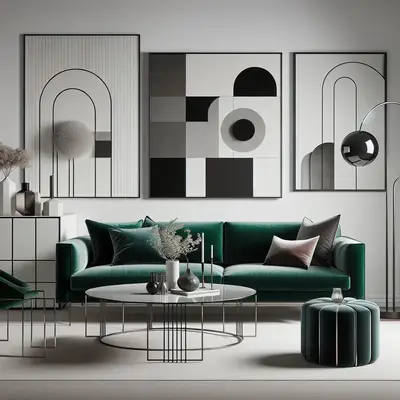
In the most refined homes today, luxury is no longer announced—it is discovered. The cultivated renovator is moving beyond overt statements toward spaces that feel composed rather than configured, edited rather than embellished. Design trends at the upper end of the market are less about spectacle and more about orchestrating light, materials, and experience so that a home feels intuitively right, every hour of the day.
The following emerging currents are not quick-fix trends; they are directional insights for homeowners planning renovations who expect their spaces to endure, function, and quietly impress for years to come.
From Open Plan to Layered Spatial Sequences
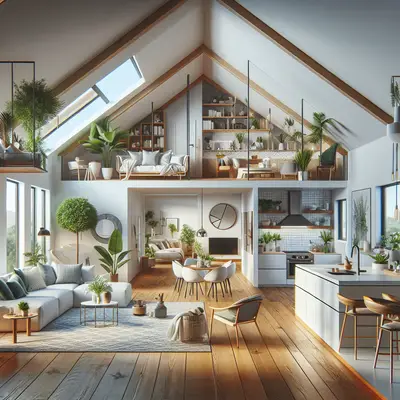
The once-revered open plan is evolving into something more nuanced: a sequence of subtly defined zones that preserve flow while restoring privacy and acoustic calm. Instead of erecting heavy walls, designers are using pocket doors, framed openings, pivot panels, and finely detailed millwork to suggest transitions between cooking, dining, work, and retreat spaces. This approach allows a kitchen to feel social during gatherings yet composed and orderly when viewed from the living room. Layered spatial planning also lets homeowners play with light and views, strategically framing vistas while hiding functional clutter. For renovators, the key is to think in terms of progression—how one moves from the threshold to the heart of the home, and how each zone can feel distinct without feeling disconnected.
Light as a Design Material, Not a Utility
Natural and artificial light are being treated less as utilities and more as core design materials, with the same importance as stone or wood. Renovations now frequently begin by mapping sunlight across the day, then aligning key functions—cooking, reading, bathing, working—to the most appropriate light conditions. Large expanses of glazing are being refined with modulation: deep window jambs, integrated shades, and exterior shading elements that create nuanced light rather than harsh exposure. Inside, layered lighting schemes—combining cove lighting, recessed fixtures, art lighting, and localized lamps—allow homeowners to “tune” the atmosphere for work, entertaining, or quiet evenings. The most elevated interiors avoid visible glare and scattered downlights; instead, they create a sense that light emanates naturally from the architecture itself.
Material Pairings That Age With Grace
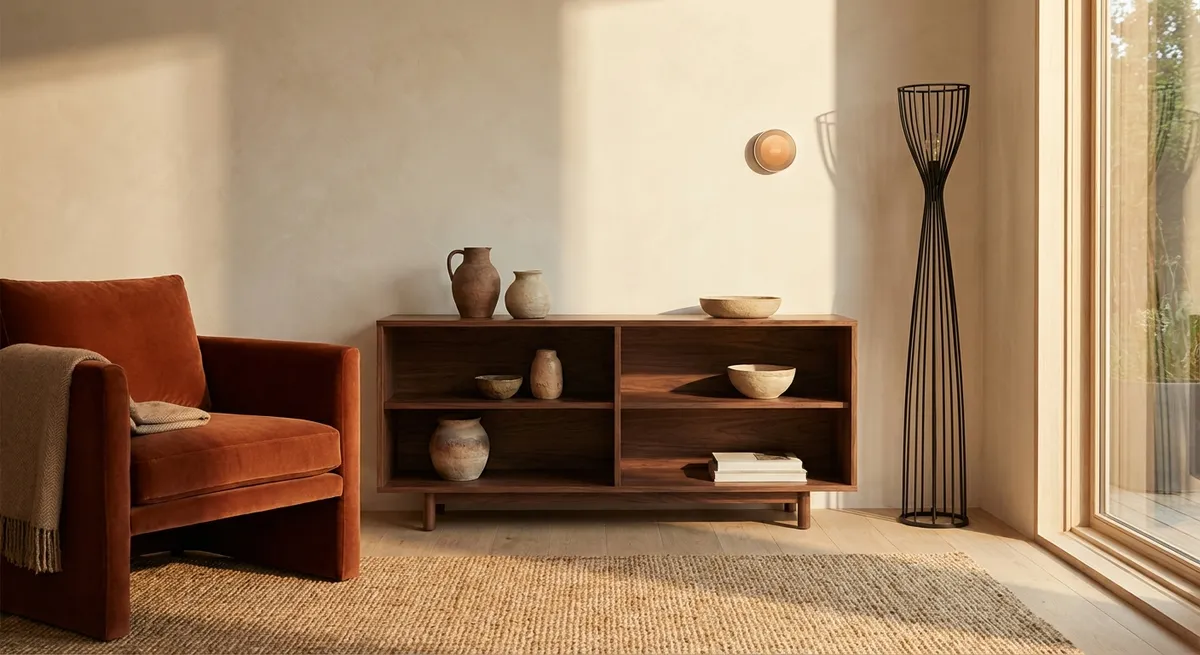
In sophisticated renovations, materials are chosen as much for how they will age as for how they look on installation day. The emphasis is on honest, tactile finishes that develop character: limewash plasters, brushed and oiled woods, honed stone, unlacquered brass, and microcement surfaces that accept patina rather than fight it. Rather than overloading a space with variety, designers are exploring restrained material palettes with one or two carefully chosen contrasts—for example, warm oak against cool limestone, or soft white plaster against dark patinated metal. This discipline builds visual calm and allows details such as joinery, hardware, and edge profiles to become subtle focal points. Renovators who prioritize this kind of material integrity often find maintenance becomes simpler: surfaces that are meant to evolve feel far more forgiving of daily life than those striving for perpetual newness.
The Integrated Utility: Elevating the Everyday
One of the most discerning design shifts is the elevation of “back-of-house” spaces—laundries, mudrooms, pantries, and secondary kitchens—into thoughtfully designed utility suites. Rather than treating these areas as afterthoughts, homeowners are investing in generous storage, durable yet beautiful finishes, and meticulous organizational planning. Concealed charging drawers, ventilated cabinetry for linens, integrated recycling centers, and tailored pet zones are becoming hallmarks of quietly luxurious homes. The visual language of these spaces often mirrors the main living areas, creating a cohesive experience even in the most functional corners of the house. For renovators, giving serious design attention to these zones can have an outsized impact on daily comfort, allowing the main rooms to remain composed while the true work of the household happens gracefully in the background.
Discreet Technology and the Nearly Invisible Smart Home
In refined renovations, technology is at its most impressive when it is least visible. Instead of feature walls of screens and conspicuous gadgets, the emphasis is on discrete integration: flush-mounted speakers, concealed wiring, minimalist keypads in place of switch clutter, and smart systems that reside quietly in the background. Climate, shading, lighting, and security are increasingly managed through unified platforms, but the physical interfaces are deliberately understated to preserve the architectural language of the space. This approach reduces visual noise and future-proofs the home, as software can be updated without disrupting finishes or layouts. When planning a renovation, homeowners benefit from engaging technology and design teams early, ensuring that infrastructure—dedicated wiring runs, equipment closets, ventilation, and access panels—is seamlessly embedded into the architecture rather than applied as an afterthought.
The Thoughtful Blend of Public and Private Rituals
The most compelling homes today are designed around lived rituals—morning routines, quiet work sessions, exercise, entertaining, evening wind-downs—rather than just room labels. This has led to a more thoughtful choreography of public and private moments within the same footprint. A reading nook partially screened from the living room, an outdoor shower tucked behind a primary suite, a slim writing desk carved into a circulation space with considered lighting—all allow life’s quieter activities to unfold gracefully without withdrawing entirely from the home’s social areas. For homeowners renovating, it is worth mapping out the day in almost cinematic detail: where the first coffee is made, where shoes actually end up, where laptops migrate in the afternoon sun. Designing for these small, repeated moments imbues the home with a sense of tailored luxury that transcends any single piece of furniture or finish.
Conclusion
Design at the highest level is no longer about grand gestures; it is about a series of finely tuned decisions that make a home feel both composed and deeply personal. Layered spatial sequences, orchestrated light, enduring materials, elevated utility spaces, and discreet technology all contribute to a new vision of modern luxury—one that privileges calm, function, and subtle delight over spectacle. For homeowners planning a renovation, aligning with these currents is less about chasing a trend and more about crafting a home that will feel relevant, gracious, and quietly impressive for many years to come.
Sources
- American Institute of Architects (AIA) – Home Design Trends Survey – Ongoing professional survey highlighting residential design priorities and emerging patterns
- Harvard Joint Center for Housing Studies – Improving America’s Housing – Research on renovation spending, homeowner priorities, and long-term remodeling trends
- U.S. Department of Energy – Energy Saver: Daylighting – Guidance on using natural light effectively in residential design and renovation
- NYTimes – The New Luxury Home: A Quiet, Private Space – Reporting on how high-end residential design is shifting toward privacy, calm, and understated luxury
- MIT Technology Review – The Invisible Smart Home – Discussion of discreet, integrated smart-home technology and its design implications
Key Takeaway
The most important thing to remember from this article is that this information can change how you think about Design Trends.