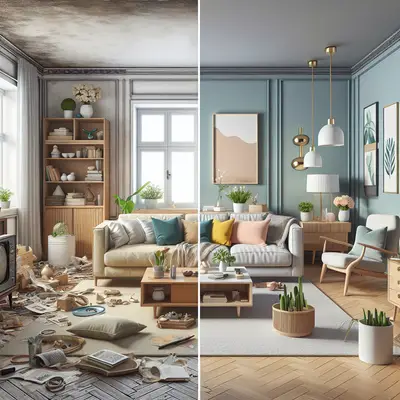
A truly successful renovation is not defined by the reveal photograph; it is defined by how gracefully the home lives, ages, and adapts. The most sophisticated projects share a quiet common thread: they are layered—strategically, technically, and emotionally. They anticipate future uses, hold up under changing tastes, and deliver a sense of composure long after the paint has dried. For homeowners intent on elevating their spaces beyond trend and into enduring refinement, the difference lies in how you think, not simply what you buy.
Below are five exclusive insights that separate a merely “updated” home from one that feels composed, resilient, and quietly exceptional.
Designing for the Second Life of Every Space
The most refined renovations are not optimized for today—they are calibrated for tomorrow. Instead of asking only, “What do we need now?” consider, “How might this room need to behave in its second life?”
Begin with the rooms most prone to functional drift: guest rooms, home offices, and secondary living areas. A guest room that is dimensioned and wired to function as a future caregiver’s suite, studio, or compact rental unlocks options you may not yet need but will deeply value. Similarly, a home office with acoustical treatment, additional outlets, and concealed storage can one day become a music room, library, or teen den without structural upheaval.
Architecturally, privilege flexibility over hyper-specificity. Avoid built-ins that lock a room into a single use—consider instead modular millwork that appears bespoke but can be reconfigured. Ensure doorways, circulation paths, and window placements allow furniture to be reoriented in at least two or three viable layouts. A space with multiple good “furnishing outcomes” is inherently more future-proof.
This kind of anticipatory thinking also supports resale. Buyers increasingly look for homes that can support multigenerational living, remote work, and evolving family structures. Designing each room with a plausible “second chapter” quietly upgrades the long-term value of your renovation.
Silent Performance: Building a Home That Sounds Expensive
Most homeowners obsess over what they can see; seasoned renovators obsess over what they can hear—or, more precisely, what they don’t hear. Acoustics are one of the least discussed yet most luxurious dimensions of a renovation. A home that manages sound well feels more composed, more private, and more expensive.
Investing in sound control should start at the envelope and structure. Upgraded insulation between floors and shared walls, solid-core interior doors, and acoustical underlayment beneath hard flooring create a sense of hush that no amount of décor can counterfeit. When opening ceilings, consider resilient channels or sound-damping drywall in noisy zones such as around media rooms, bathrooms above bedrooms, and laundry areas.
Within rooms, treat reverberation as deliberately as you treat color. Large open-plan spaces often suffer from harsh echo; balance stone or hardwood with absorbent elements—textiles, upholstered panels, or even carefully chosen plaster finishes with subtle texture. In high-function areas like kitchens, silent performance extends beyond noise reduction to equipment selection: quiet dishwashers, induction cooktops, and well-insulated range hoods preserve the serenity of adjacent living spaces.
Intelligently managed sound also shapes perceived privacy. Thoughtful placement of wardrobes or built-ins as “buffer zones” around bedrooms, zoning of HVAC systems to reduce mechanical noise, and well-sealed bathroom doors all contribute to a home that feels discreet and controlled. The most elevated renovations are often remembered less for what they display and more for the calm they create.
Specifying Materials for Patina, Not Perfection
A premium renovation is not one that resists time; it is one that courts it. Selecting materials that age gracefully—rather than attempting to freeze them in a state of showroom perfection—creates a home that grows more compelling each year.
Distinguish between “fragile” and “forgiving” finishes. Fragile surfaces look pristine only with constant vigilance; forgiving materials accumulate marks that read as character rather than damage. Unlacquered brass, oiled wood, honed stone, and limewash plasters fall into this latter category. Their surfaces soften and deepen, reflecting how the space is actually lived in.
This does not mean tolerating careless wear; it means specifying products whose inevitable aging has been considered from the outset. Ask suppliers for real-life installation photos five or ten years on. Research how a specific marble or engineered stone performs in working kitchens. Learn the maintenance realities of that exquisite timber floor—can it be refinished multiple times, or is it largely a single-chance surface?
In heavily used zones, consider a layered material strategy: more resilient finishes at the “impact points” (entry thresholds, island edges, stair treads), with more delicate materials set slightly back or higher up, where they can be admired without constant risk. Over time, the subtle contrast between pristine and patinated surfaces creates a depth that new-build gloss can never match.
The guiding question becomes: “Will I like how this looks when it is no longer new?” If the answer is yes, you are designing not just a renovation, but a narrative.
Hidden Infrastructure as a Luxury Asset
Behind every calm, beautifully finished room is a network of systems that either support or sabotage daily life. Savvy homeowners treat invisible infrastructure—mechanical, electrical, plumbing, and digital—not as a mere technical requirement, but as a core luxury asset.
Start with capacity and access. An overloaded electrical panel or undersized HVAC system may quietly undermine even the most beautiful design. When walls are open, upgrade panels, add dedicated circuits for future EV chargers or outbuildings, and ensure adequate wiring for data, security, and smart home integration. Even if you do not automate now, low-voltage conduits and strategically placed junction boxes make future technology adoption elegant rather than invasive.
Plumbing deserves similar foresight: thoughtful valve placement, cleanouts, and access panels in discreet locations mean that inevitable maintenance does not require destructive exploration. High-quality shut-off valves, pressure-balancing fixtures, and recirculating hot water systems transform everyday use into something that simply feels more refined.
Ventilation is another quiet luxury. Properly engineered systems—balanced ventilation, appropriately sized range hoods vented outdoors, and humidity control in baths and laundry—contribute to indoor air quality, preserve finishes, and protect your investment. Energy-efficient upgrades often come with rebates or tax incentives, further enhancing long-term value.
What you cannot see will, in time, determine how your home actually lives. Treating the infrastructure as deliberately as the furnishings turns your renovation into a long-term asset rather than a surface-level refresh.
Crafting a Cohesive “Visual Rhythm” Across Rooms
Beyond color schemes and style labels, remarkable homes share something subtler: a visual rhythm that carries you from one space to another with a sense of continuity and ease. Creating this rhythm is less about matching everything and more about orchestrating repetition, contrast, and pause.
Begin with a small vocabulary of recurring elements—perhaps a particular metal finish, a profile of trim, an archetypal shape (arched, squared, or softened), or a consistent door style. Allow these motifs to reappear in different guises: the curve of a stair handrail echoed in a bathroom mirror; the thickness of a kitchen worktop mirrored in a fireplace mantle. These echoes create a subconscious unity that feels composed rather than themed.
Lighting is a powerful, often underused, tool in this orchestration. Think in layers: ambient, task, and accent lighting, each curated to create continuity across rooms. Maintain a consistent warmth (color temperature) of white light throughout the home; have one or two signature finishes or forms that appear in varying scales—from a statement chandelier to a discreet wall sconce.
Equally important are the visual “rests”: calm walls, quietly detailed ceilings, or restrained window treatments that allow the eye to relax between focal points. Not every room requires a statement; in elevated renovations, restraint in one space often heightens the impact of the next.
When considered as a sequence rather than a series of isolated moments, your renovation becomes something more akin to a well-composed piece of music—varied, dynamic, but unmistakably harmonious.
Conclusion
An exceptional renovation is not defined by a single bold decision, but by layers of considered choices that quietly collaborate. Designing for a room’s second life, engineering silence and privacy, choosing materials that embrace patina, elevating hidden infrastructure, and orchestrating visual rhythm across spaces—these are the moves that distinguish a cultivated home from a merely updated one.
For homeowners who expect their spaces to work as beautifully as they look, the true luxury lies in foresight. When thoughtfully executed, your renovation becomes more than a project; it becomes an environment that matures with you, revealing new depths year after year.
Sources
- [U.S. Department of Energy – Home Energy Upgrades](https://www.energy.gov/energysaver/home-improvement-and-repair) – Guidance on HVAC, insulation, and envelope upgrades that inform infrastructure decisions
- [Harvard Joint Center for Housing Studies – Remodeling Futures](https://www.jchs.harvard.edu/research-areas/remodeling) – Research on long-term renovation trends and homeowner priorities
- [National Institute of Building Sciences – Whole Building Design Guide](https://www.wbdg.org/design-disciplines/building-envelope-design) – In-depth information on building envelopes, acoustics, and systems integration
- [GSA – Sound Control in Buildings](https://www.gsa.gov/technical-procedures/sound-control-in-buildings) – Technical principles of acoustic comfort that can influence residential strategy
- [National Association of Home Builders – Smart Home Technology](https://www.nahb.org/advocacy/industry-issues/technology-and-innovation/home-technology) – Insight into planning infrastructure for current and future home technologies
Key Takeaway
The most important thing to remember from this article is that this information can change how you think about Home Renovation.