A beautifully executed renovation is never an accident; it is the visible outcome of hundreds of invisible decisions. For homeowners who expect more than a cosmetic upgrade, the difference lies in what happens before the first wall is opened and long after the last contractor leaves. This is where a more refined approach emerges—not louder, not grander, but sharper, more intentional, and quietly future‑proof.
Below are five exclusive insights that sophisticated homeowners leverage to transform renovations from stressful undertakings into impeccably orchestrated evolutions of their home.
1. Designing for Future Flexibility, Not Just Present Perfection
Many renovations chase a snapshot in time: today’s needs, today’s aesthetics, today’s trends. Refined homeowners think in horizons—what will this space need to do in five, ten, or even fifteen years?
This doesn’t mean compromising on beauty. It means embedding adaptability into the design. Consider planning secondary uses for each room: a home office that can discreetly morph into a guest suite; a playroom that ages gracefully into a library or media room without structural changes. Quietly integrate oversize conduit runs or accessible chases so future wiring upgrades—EV chargers, solar integration, advanced networking—don’t require tearing open finished walls.
Structural flexibility is equally important. When moving or removing walls, consult your design and engineering team about how those changes affect future options. A seemingly minor choice—like where a beam is placed or whether a wall is load-bearing—can either lock in your layout or preserve the freedom to reconfigure down the line.
The most elegant renovations don’t just fit your life today. They anticipate the next version of you and ensure the house can meet it with composure.
2. Treating Light as Architecture, Not Decoration
Lighting is often reduced to fixtures and finishes—pendants, sconces, and chandeliers. Sophisticated renovations elevate light to the level of architecture: something shaped, layered, and choreographed.
Begin with daylight. Study how the sun moves across your property across seasons. The placement, sizing, and treatment of windows, transoms, and skylights should be as deliberate as choosing a floor plan. A modestly larger window at the right orientation—or a clerestory band that pulls in sky light without sacrificing privacy—often has more impact than an additional piece of furniture or artwork.
Then design a layered electric lighting strategy: ambient (general), task (focused), and accent (expressive). Recessed downlights alone create flat, unforgiving spaces. Combine them with cove lighting that washes ceilings, wall grazers that bring out texture, and concealed LED strips under cabinetry and shelves for a soft, floating effect. Dimmability and scene control matter as much as the fixtures themselves; they allow a single room to transition from work to hospitality to relaxation without visual chaos.
Thoughtful lighting design doesn’t announce itself. It simply makes every surface, material, and moment feel more considered.
3. Investing in Invisible Performance
In premium renovations, what you don’t see is often more important than what you do. High‑performing, “invisible” systems—thermal, acoustic, and mechanical—elevate the daily experience in ways no single decor choice can match.
Insulation and air sealing, for example, should be treated as core design elements. A well‑insulated envelope with high‑performance windows does more than lower utility bills; it creates a sense of calm. Exterior noise recedes, temperature swings smooth out, and every room feels consistently comfortable. Acoustic strategy inside the home matters as well: sound‑attenuating insulation in interior walls, solid‑core doors in key areas, and careful placement of hard and soft finishes contribute to a serene acoustic landscape.
Mechanical systems deserve equal attention. Instead of “what’s code‑minimum,” ask: what system best supports the way we live? Zoned heating and cooling, fresh air ventilation with energy recovery, and intelligent filtration can turn a home into a sanctuary of air quality and comfort. Place ductwork, returns, and mechanical closets in collaboration with the design team, not as afterthoughts; their location affects noise, ceiling heights, and cabinetry planning.
The most luxurious feeling in a home is often not a material—it’s the sense that the environment is effortlessly stable, quiet, and composed. That comes from performance, not ornament.
4. Curating Material Narratives, Not Just Finishes
Materials are often approached as a series of isolated selections: this tile, that countertop, those floors. Discerning renovators curate materials as a narrative that carries through the entire home—subtle, consistent, and intentional.
Start with a small palette of anchor materials that can be expressed in multiple ways. For instance, a warm oak might appear as flooring in the main areas, then reappear as paneling on a single accent wall, and again as the frame for a built‑in bench. A stone used for a kitchen island might be echoed in a powder room vanity or a fireplace hearth, scaled and detailed differently. This continuity creates a quiet visual rhythm; the home feels coherent rather than assembled from separate decisions.
Pay close attention to transitions. The meeting point between floor types, the edge details on counters, the threshold between tile and wood, or how a window casing dies into a wall—these are the micro‑moments where a renovation feels either meticulously tailored or hastily finished. Premium design lives in those seams.
It’s also wise to consider materials through the lens of patina. Some surfaces—like certain woods, metals, and natural stones—age with character. Others look tired quickly when subjected to real life. Choosing materials that gain beauty over time allows the home to mature gracefully instead of constantly needing to be “refreshed.”
5. Building a Decision Architecture Before Construction Begins
The most sophisticated renovations are not the ones with the largest budgets; they are the ones where decisions are sequenced with intention. Rather than reacting under pressure on site, discerning homeowners create a “decision architecture” well before demolition starts.
This begins with establishing a hierarchy of priorities. What is non‑negotiable (structural changes, systems upgrades, core layout moves)? What is important but adjustable (certain finishes, built‑ins)? What is flexible (furnishings, some decorative elements)? Align this hierarchy with your designer, contractor, and any other key professionals so that when trade‑offs inevitably arise, the decisions are guided by a shared framework, not by panic.
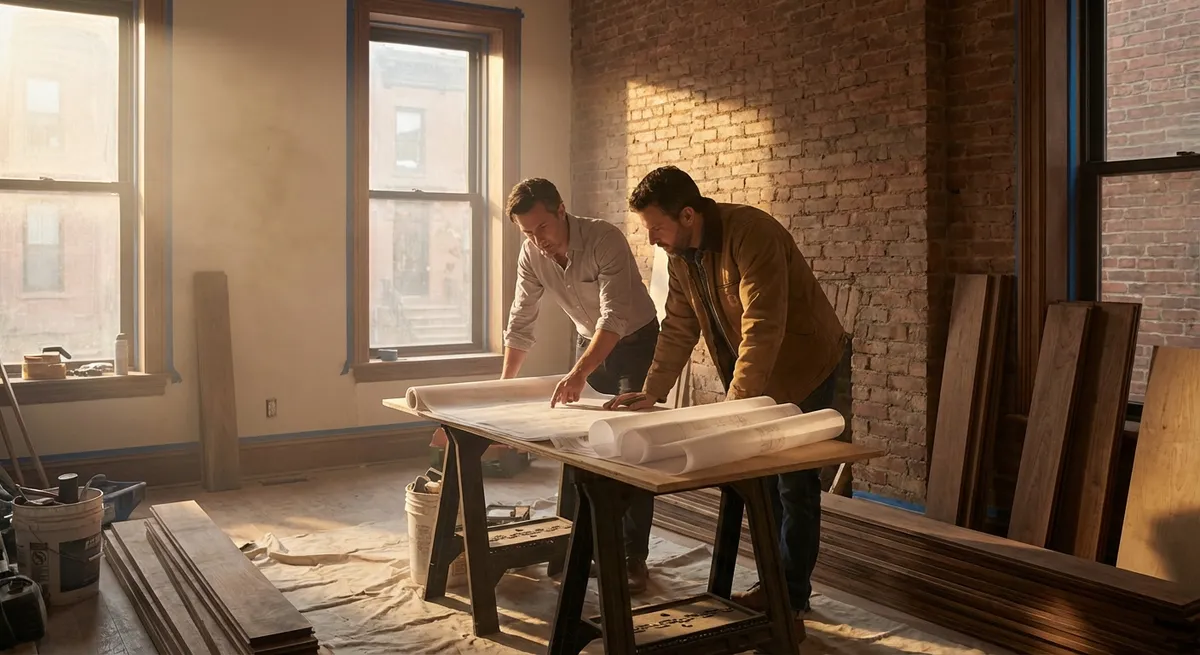
Next, front‑load critical selections and technical details: window and door specifications, plumbing rough‑in locations, lighting plans, millwork drawings, and any specialty systems. These elements influence framing, mechanical runs, and sequencing. Having them resolved early reduces the cascade of costly changes later and protects your schedule.
Finally, recognize that your time and attention are finite resources. Set structured touchpoints—weekly or biweekly reviews with your team, clear approvals, and designated windows for making or revisiting decisions. This prevents “decision fatigue,” where rushed, last‑minute choices erode the refinement you set out to achieve.
When decisions are architected rather than improvised, the renovation feels less like crisis management and more like the deliberate unfolding of a plan.
Conclusion
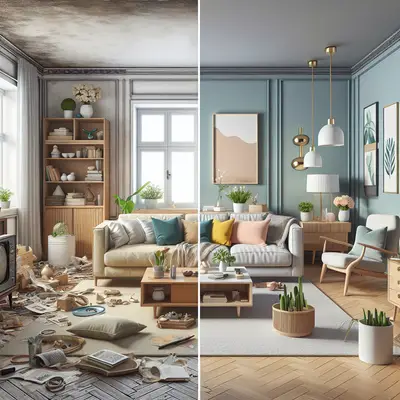
A truly elevated renovation is not defined by how dramatic the before‑and‑after photos appear, but by how naturally the finished home supports your life—quietly, intelligently, and beautifully. Designing for future flexibility, treating light as architecture, investing in invisible performance, curating material narratives, and building a decision architecture together create a distinct advantage: the informed renovator’s edge.
In the end, sophistication in renovation is not about excess. It is about precision—knowing where to invest, what to anticipate, and how to orchestrate countless moving parts into a home that feels inevitable, as though it was always meant to be this way.
Sources
- U.S. Department of Energy – Energy Saver: Home Weatherization – Guidance on insulation, air sealing, and improving home energy performance
- Lawrence Berkeley National Laboratory – Residential Ventilation and Indoor Air Quality – Research on mechanical systems, ventilation, and indoor comfort
- International WELL Building Institute – WELL Building Standard – Framework on health, light, air quality, and materials in buildings
- American Institute of Architects (AIA) – Residential Design Resources – Articles and guidance on residential design strategies and best practices
- Harvard Joint Center for Housing Studies – Improving America’s Housing – Data and insights on renovation trends, planning, and homeowner investment decisions
Key Takeaway
The most important thing to remember from this article is that this information can change how you think about Home Renovation.