Renovation at its highest level is no longer a pursuit of novelty; it is the art of editing. The most compelling homes today feel composed rather than decorated—quietly luxurious, highly functional, and deeply personal. For homeowners planning a renovation, understanding where design is heading (and why) is less about chasing trends and more about investing in enduring decisions that will still feel relevant a decade from now. What follows are five exclusive, forward-looking insights that can help you shape a renovation with lasting resonance and subtle distinction.
Insight 1: “Soft Architecture” — Built-In Forms That Replace Excess Furniture
One of the most refined shifts in contemporary design is the move from crowding rooms with furniture to sculpting the room itself as the primary design gesture. This “soft architecture” approach treats millwork, thresholds, and wall profiles as the true furniture of the home.
Instead of freestanding bookshelves, think full-height built-ins that bridge wall and ceiling with shadow gaps, concealed lighting, and integrated display niches. Window seats become carved recesses, not add-on benches. Headboards evolve into paneled wall systems that incorporate reading lights, shelves, and hidden power. Even doorways lengthen into portals, subtly proportioned to create rhythm from one room to the next.
For a homeowner, this mindset changes how you allocate your budget. Rather than buying more pieces to fill a room, you invest in crafted surfaces and integrated solutions that reduce visual noise and endure stylistically. It also enhances real estate value: soft architecture feels permanent, intentional, and bespoke—an imprint of quality that remains even if furnishings change entirely.
Insight 2: Invisible Technology, Expressed Craft
As homes become more technologically advanced, luxury lies in what you do not see. The new standard is a home that quietly performs at a very high level—intelligent lighting, climate control, acoustic comfort, and security—without a landscape of visible gadgets.
This begins with pre-planning. Concealed wiring for motorized shades, flush-integrated speakers that disappear into ceilings, lighting control systems that replace banks of switches with a few elegant keypads, and discreet, well-located charging niches all allow the envelope of the home to remain visually calm. Televisions vanish into wall paneling, pivot into cabinets, or are framed as art rather than dominating a room’s composition.
Yet as technology recedes from view, craftsmanship steps forward. Hand-finished plaster walls, finely detailed cabinetry, honed stone, and precision joinery become the visual anchors of the space. The message is clear: comfort is powered by technology, but character is expressed through craft. Renovation planning should choreograph these two forces together from the outset—so that every outlet, sensor, and screen is anticipated, tamed, and elegantly absorbed into the design.
Insight 3: Layered Neutrality Instead of Loud Statements
Neutrals have not disappeared; they have become more sophisticated. The most compelling interiors are moving away from stark monochrome schemes and aggressive accent walls toward “layered neutrality”—a palette that reads calm at first glance, but reveals depth and nuance on closer inspection.
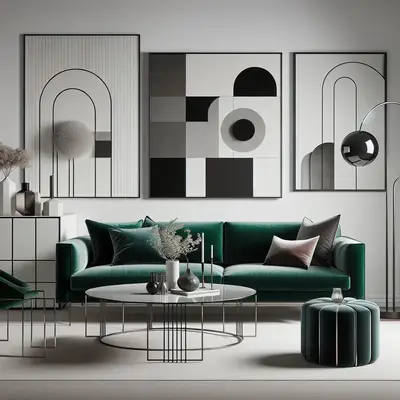
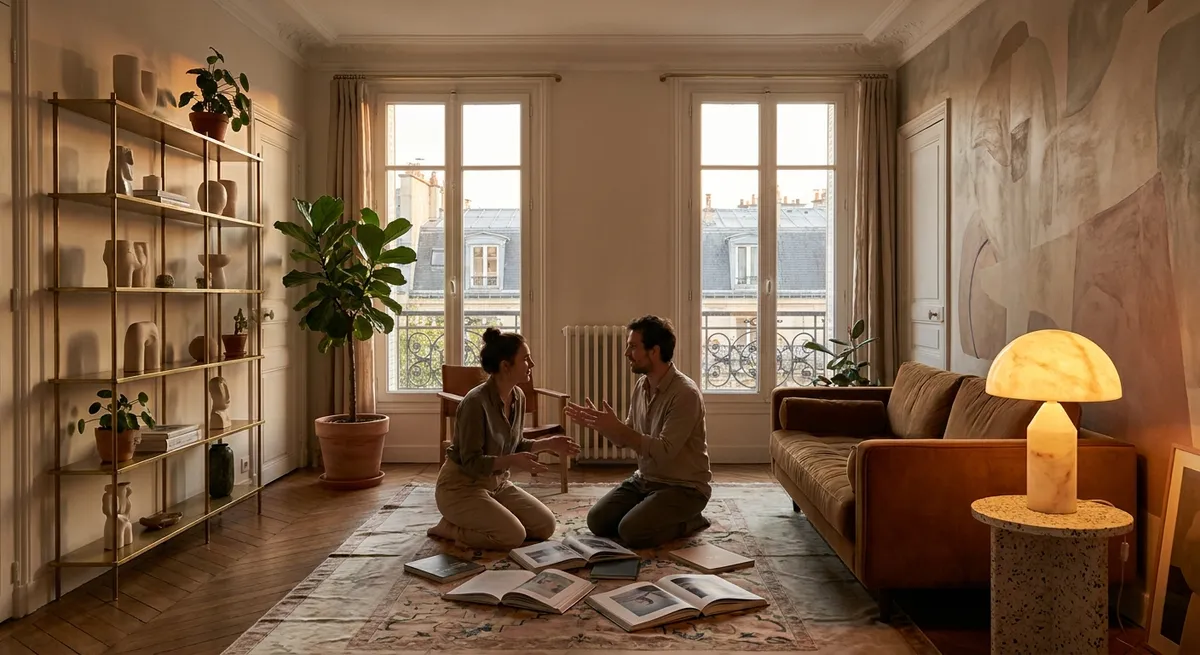
Think warm whites against stone with subtle mineral veining, smoked oak juxtaposed with pale linen, bronze hardware on softly tinted plaster, and wool rugs that introduce texture rather than pattern. Color appears in calibrated doses: a single saddle-leather chair, a muted Persian runner, a piece of art with restrained but confident pigment. The overall impression is a room that photographs beautifully yet lives comfortably, without feeling staged or contrived.
For renovators, this translates into a strategy: commit your permanent surfaces—floors, millwork, tile, stone—to this richly neutral foundation. Then reserve bolder or more personal colors for easily updated layers: textiles, smaller furnishings, and art. This ensures longevity without sacrificing personality. When your tastes evolve, the room adapts with modest changes, not disruptive reconfigurations.
Insight 4: The Elevated Utility Zone — Mudrooms, Laundries, and Back Kitchens
Once purely functional, the “back-of-house” zones of a residence are becoming some of the most carefully considered spaces in a high-caliber renovation. Mudrooms, laundry rooms, and back kitchens now carry as much design intention as living areas, reflecting the reality that true luxury is found in how well a home supports everyday life.
An elevated mudroom layout might include concealed shoe drawers, dedicated compartments for each family member, integrated charging and drop zones, ventilated cabinets for sports gear, and a bench proportioned to accommodate both sitting and storage. Laundry rooms are gaining natural light, durable yet beautiful surfaces, hanging cabinets at ergonomic heights, and even seating to make the space inhabitable, not merely utilitarian. Back kitchens (or sculleries) discreetly absorb appliances, dish storage, and cleanup functions, protecting the primary kitchen’s visual serenity.
For homeowners planning a renovation, investing in these zones pays dividends in daily comfort and long-term market appeal. Treat these spaces as part of the design narrative—continue your palette, repeat key materials, and maintain the same level of hardware and lighting quality. The impression a sophisticated buyer or guest takes away is that the home is consistently considered, not just “front-of-house” polished.
Insight 5: Flexible Rooms with a Singular, Beautiful Default State
The age of rigidly programmed rooms—formal dining never used, guest rooms sitting empty, home offices that feel like afterthoughts—is quietly fading. The new standard is flexibility: spaces that can shift roles gracefully while maintaining a singular, beautiful default state.
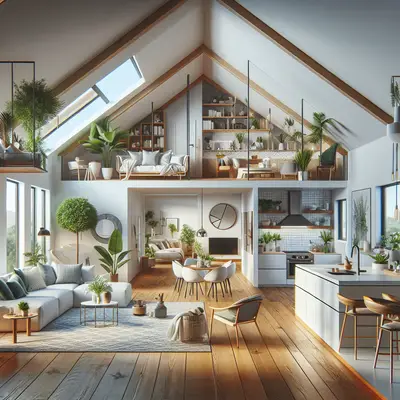
Rather than designing a “home office” with overtly corporate furniture, you create a refined sitting room with integrated concealed desk storage, a smaller but impeccably detailed work surface, and lighting that serves both task and ambiance. A guest room doubles as a reading lounge or wellness retreat, with a daybed or slim-profile sleeper that looks elegant whether occupied by guests or not. Pocket or Pivot doors, discreet storage walls, and refined room dividers make it possible to adjust privacy and function without announcing a change of use.
The key is to choose one primary visual identity for each room and design everything in service of that identity—then layer in flexibility as a secondary, nearly invisible capability. When no one is working, visiting, or exercising, the room should still feel resolved and intentional. This approach guards against the visual clutter of multipurpose spaces while ensuring the home remains adaptable to changing life patterns, from hybrid work to extended family stays.
Conclusion
Design trends at the upper end of the renovation world are converging around a quiet but powerful idea: luxury is less about display and more about discretion. Soft architecture replaces excess furniture; technology recedes so craft can shine; neutrals deepen into layered subtlety; utility spaces earn their aesthetic due; and rooms become flexible without losing their composure.
For homeowners planning a renovation, these shifts offer not just inspiration, but strategy. By investing in what will still feel thoughtful and composed years from now—integrated forms, concealed systems, elevated back-of-house spaces, and flexible yet beautiful rooms—you create a home that doesn’t chase trends, but gently outlasts them.
Sources
- American Institute of Architects (AIA) – Home Design Trends Survey - Offers professional insights into evolving residential design priorities, including flexible spaces and integrated technology
- National Kitchen & Bath Association (NKBA) – Design Trends - Tracks current and emerging trends in kitchens and baths, including back kitchens, sculleries, and elevated utility spaces
- Harvard Joint Center for Housing Studies – Improving America’s Housing - Provides data and analysis on remodeling patterns and homeowner investment priorities
- The New York Times – Design Section - Features reporting on contemporary interior design directions and high-end residential case studies
- MIT School of Architecture + Planning - Shares research on architecture and built environments, informing long-term perspectives on space, function, and adaptability
Key Takeaway
The most important thing to remember from this article is that this information can change how you think about Design Trends.