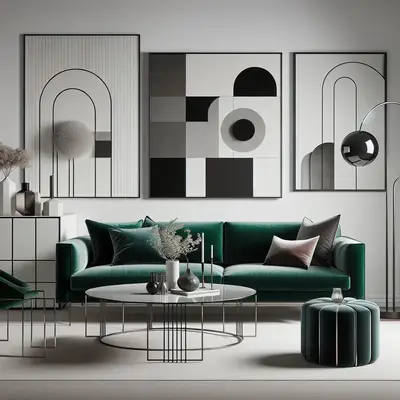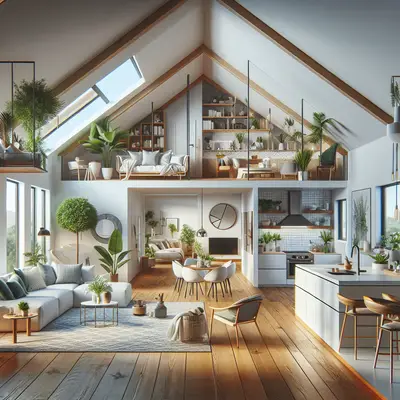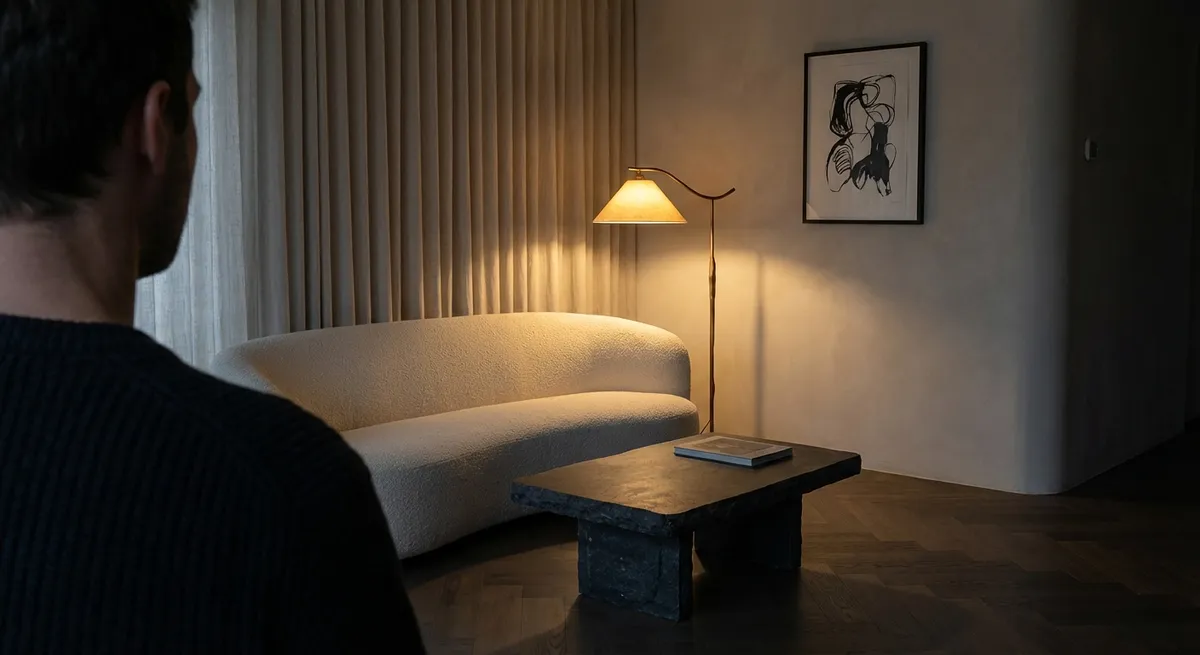
Renovation at the highest level is no longer a pursuit of spectacle; it is a study in calibration. The most compelling homes now feel intentional rather than impressive, composed rather than curated. For homeowners planning a renovation, design decisions are less about following trends and more about understanding the quiet shifts shaping how sophisticated spaces are conceived and lived in. The following five insights distill currents that are genuinely moving the needle—subtle, enduring, and deeply attuned to how elevated homes function today.
1. The “Soft Architecture” Approach: Shaping Space Without Structural Drama
Not every transformation requires moving walls or vaulting ceilings. A growing number of discerning homeowners are embracing what can be called “soft architecture”: using built‑ins, thresholds, and layered planes to redefine space without aggressive structural intervention.
Instead of demolishing partitions, designers are introducing deep thresholds, framed openings, and partial-height elements to suggest zones—an inset arch around a kitchen entry, a change in ceiling treatment over a dining area, or a built‑in banquette that quietly delineates a reading nook. Millwork becomes a structural gesture: flanking cabinetry that frames a doorway, a paneled wall that implies separation while remaining visually open, or a low plinth that subtly anchors a seating area.
For renovations, this approach is powerful because it offers:
- Spatial clarity without major construction
- A sense of architectural gravitas in otherwise standard volumes
- Flexibility to adapt over time as life patterns shift
When planning, ask less “What walls can we remove?” and more “Where can we introduce visual thresholds, depth, and rhythm?” The answer often yields a more cultured result at a fraction of the structural upheaval.
2. Elevated Utility: Turning Functional Zones into Quiet Showpieces
The most refined homes now treat functional spaces—laundries, pantries, mudrooms, even utility corridors—as opportunities to express taste, not merely conceal function. Rather than relegating these zones to an afterthought, designers are giving them the same material rigor and detailing once reserved for kitchens and living rooms.
Think stone or solid-surface countertops in a laundry, integrated storage that aligns perfectly with door and window heights, hardware that matches the main living spaces, and lighting that feels intentionally layered rather than perfunctory. A back kitchen or scullery might feature a restrained version of the main kitchen’s palette: simpler door profiles, fewer open shelves, but equal attentiveness to proportion and durability.
This shift matters in renovation for several reasons:
- Day-to-day experience improves dramatically where you actually work and move
- Resale value is elevated by a home that “lands” as considered in every zone
- Durable finishes and clever storage reduce visual noise and maintenance
When reviewing plans, insist that secondary spaces are drawn with the same care as the primary ones. Question any room that is treated purely as “service”—these are the places refined living is most palpably felt.
3. Material Honesty with Curated Restraint
Material trends are moving away from decorative excess and toward a refined honesty—stones that show veining rather than digital prints, woods with visible grain rather than heavy stain, metals that patina rather than remain perfectly pristine. Yet the most sophisticated renovations are not rustic; they are composed with restraint.
The key is disciplined contrast. Instead of five or six competing surfaces, elevated homes now rely on a tightly controlled palette where each material has a clear role: one dominant surface (often a calm stone or timber), one accent material for punctuation (such as a metal or deeper wood), and one or two quiet supporting players (plaster, painted millwork, or subtle textiles).
For homeowners, this means:
- Investing in fewer, better materials with lasting integrity
- Avoiding “novelty finishes” that date quickly
- Allowing natural variation and aging to add character over time
In planning meetings, probe beyond the mood board. Ask: “Which material is the visual anchor? Which is the supporting cast? What can we remove rather than add?” The most premium spaces increasingly feel edited rather than embellished.
4. Light as a Design Instrument, Not an Afterthought
In advanced residential design, lighting has quietly moved to the forefront—not only as illumination but as a tool for shaping mood, hierarchy, and visual comfort. The homes that feel instinctively luxurious are often those where natural and artificial light have been orchestrated with unusual care.
Several currents are converging:
- Increased attention to layered lighting: ambient, task, and accent all planned from the outset
- Thoughtful use of indirect light (coves, wall washers, and concealed strips) to soften spaces
- Strategic dimming and zoning so that each room can support multiple “scenes” without visual chaos
Equally critical is the management of daylight. Window placements, glazing quality, and shading strategies profoundly influence how materials read and how rooms are experienced across the day. In sophisticated renovations, solar control is integrated, not improvised—shades are recessed, hardware is minimal, and privacy solutions feel like part of the architecture.
For a renovation in planning:
- Treat the lighting plan as a core design document, not an add-on
- Consider how each room feels at 7 a.m., 2 p.m., and 9 p.m.
- Ensure that fixtures and controls match the home’s design language in both appearance and use
Light, when composed rather than simply installed, is one of the most powerful differentiators between a merely attractive home and a profoundly refined one.
5. Anticipatory Design: Building In Grace for Future Living
The most forward-thinking renovations now quietly anticipate the future—of aging, of technology, of evolving family structures—without announcing themselves as “universal design” or “smart homes.” Instead, they embed choice and adaptability into the fabric of the space.
Examples include:
- Generous clearances around key circulation paths that feel luxurious now and accessible later
- Blocking in walls for future grab bars, even if they are not installed immediately
- Outlets, conduits, and low-voltage runs placed where future devices, art lighting, or shade motors might reasonably be desired
- Rooms designed with multiple potential uses: a home office that can become a guest suite, a ground-floor room that can transition to a primary bedroom
Done properly, these strategies do not make a home feel clinical or technical. They make it feel effortless—doors that are comfortable to use, thresholds that are easy to cross, and spaces that adapt without dramatic reconfiguration.
During planning, pose one guiding question: “How can this home remain gracious if our needs change dramatically?” The answers typically lead to subtle dimensional choices, infrastructure decisions, and layout moves that cost little now but protect both quality of life and long-term value.
Conclusion
Sophisticated renovation today is less about chasing the boldest ideas and more about perceiving the subtlest ones. Soft architecture over structural bravado, elevated utility over hidden function, honest materials over decorative noise, light as instrument rather than accessory, and anticipatory design instead of reactive fixes—these are the currents quietly reshaping the refined home.
For homeowners at the planning stage, engaging with these insights early can mean the difference between a renovation that merely looks current and one that lives beautifully, year after year. The real luxury is not in what draws attention, but in what makes attention unnecessary.
Sources
- [American Institute of Architects (AIA) – Home Design Trends Survey](https://www.aia.org/resources/6316-home-design-trends-survey) – Insights on how residential design priorities are shifting among architects and clients
- [Harvard Joint Center for Housing Studies – Improving America’s Housing](https://www.jchs.harvard.edu/research-areas/remodeling) – Research on renovation spending patterns, aging-in-place considerations, and long-term remodeling trends
- [US Department of Energy – Energy Saver: Daylighting](https://www.energy.gov/energysaver/daylighting) – Guidance on effective daylighting strategies and their impact on comfort and energy use
- [Mayo Clinic – Aging in Place: Home Modifications](https://www.mayoclinic.org/healthy-lifestyle/healthy-aging/in-depth/aging-in-place/art-20046819) – Practical, research-informed recommendations for designing homes that support changing physical needs
- [U.S. Access Board – Residential Accessibility Guidelines](https://www.access-board.gov/guidelines-and-standards/buildings-and-sites/housing) – Technical underpinnings for accessible residential design that can inform anticipatory, graceful planning
Key Takeaway
The most important thing to remember from this article is that this information can change how you think about Design Trends.