In high-caliber homes, design is no longer about spectacle; it is about resonance. The most compelling renovations today are orchestrated with a quiet confidence—spaces that look composed at a glance yet reveal layers of intention as you live with them. For homeowners planning a serious renovation, understanding how refined trends are evolving is less about chasing novelty and more about choosing what will still feel intelligent, relevant, and resolutely understated a decade from now.
Below are five exclusive, emerging directions shaping sophisticated residential design—each less about what is “in” and more about what is enduringly astute.
Insight 1: The Shift from Open Plan to “Layered Privacy”
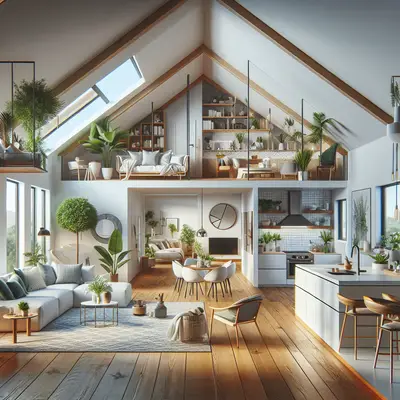
The once-aspirational open plan is entering a more nuanced chapter. High-end renovations are favoring what can be called “layered privacy”: a sequence of semi-connected zones that preserve visual generosity while restoring acoustic and functional separation.
Rather than walls abruptly closing off rooms, you see pocket doors with full-height glazing, strategically placed millwork, and threshold shifts in flooring or ceiling height that subtly delineate spaces. Kitchens remain social centers, but secondary prep kitchens, concealed pantries, or “back-of-house” zones allow the main space to remain visually pristine, even mid-entertaining.
This layered approach offers several advantages. It enables multiple activities to coexist—work, leisure, cooking, conversation—without competing for the same visual and acoustic bandwidth. It can also improve energy performance by allowing climate control in smaller zones rather than one vast volume. Most importantly, it supports a more realistic way of living: elegant, but not performative; social, but not exposed at all times.
Insight 2: “Quiet Tech” Integration Over Visible Gadgets
Technology is still ascendant in luxury homes, but its aesthetic presence is being dramatically toned down. The most sophisticated renovations prioritize “quiet tech”—systems that are fully integrated and architecturally resolved, rather than scattered as conspicuous devices.
You’re less likely to see walls dominated by screens and more likely to find artful millwork hiding displays, speakers recessed seamlessly into ceilings, and control panels discreetly embedded in door jambs or built-ins. Lighting, climate, security, and shading are increasingly synchronized into consolidated control ecosystems that respond to scenes rather than individual switches.
The goal is not to showcase technology but to orchestrate comfort: circadian lighting that shifts subtly throughout the day; automated shading that reads solar exposure; acoustics tuned to absorb unwanted noise while preserving clarity for music and conversation. The result is a home that feels inexplicably calm and balanced, even when the underlying systems are remarkably complex.
Insight 3: Material Narratives, Not Just Material Upgrades
In discerning renovations, material decisions are no longer about “trading up” to the most expensive finish. The emphasis is shifting toward material narratives—curated combinations that tell a coherent story about place, craft, and longevity.
You see this in the pairing of stone and wood with deliberate contrast: honed limestone against smoked oak, brushed metal against hand-troweled plaster, veined marble offset by quiet, matte surfaces. The most compelling schemes balance tactile richness with visual restraint, ensuring that no single element overwhelms the composition.
Provenance and sustainability are also becoming part of the narrative. Homeowners are increasingly interested in FSC-certified woods, low-VOC finishes, and stone sourced with transparent environmental data. Reclaimed materials are being integrated not as rustic accents, but as refined architectural elements—reused beams integrated into minimalist ceilings, antique doors reframed in ultra-clean openings.
The outcome is a home where every surface feels considered—not merely upgraded.
Insight 4: Spaces Designed Around Ritual, Not Just Function
The functional program of a home—kitchen, bedrooms, bathrooms, storage—has long been a given. The most thoughtful renovations now go a step further and organize space around personal rituals rather than generic functions.
Instead of a “home office,” for example, you may see a focused work studio with acoustically isolated walls, natural side lighting for video calls, and integrated filing hidden behind full-height panels. Rather than a generic primary suite, more projects are introducing a “morning zone” (light, calm, connected to outdoor views) and an “evening zone” (warmer, cocooned, with controlled lighting and excellent acoustics) within the same suite.
Kitchens are increasingly being choreographed around the host’s preferred way of entertaining—one homeowner may prioritize a chef’s island with generous prep space and hidden appliances, while another opts for a showpiece island dedicated only to plating and serving, supported by a fully equipped but invisible back kitchen.
These ritual-driven spaces feel uniquely tailored because they are. They respect time as the ultimate luxury—understanding that a home should not just accommodate activities but elevate them.
Insight 5: The Rise of “Adaptive Calm” in Color and Lighting
Bold accent walls and high-gloss finishes are giving way to a more sophisticated approach: “adaptive calm”—palettes and lighting strategies that can subtly shift character without visual fatigue.
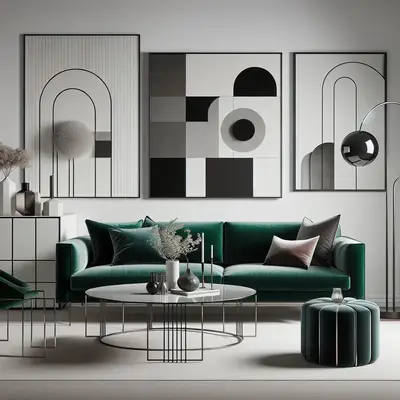
Color in elevated renovations is trending toward complex neutrals: layered off-whites, mushroom tones, muted sage and olive, deep ink blues, and soft charcoals. These hues serve as a quiet foundation for art, textiles, and seasonal variations rather than competing with them. When color intensity appears, it tends to be concentrated in highly controlled zones—inside a bar niche, lining a bookshelf recess, or enveloping a powder room.
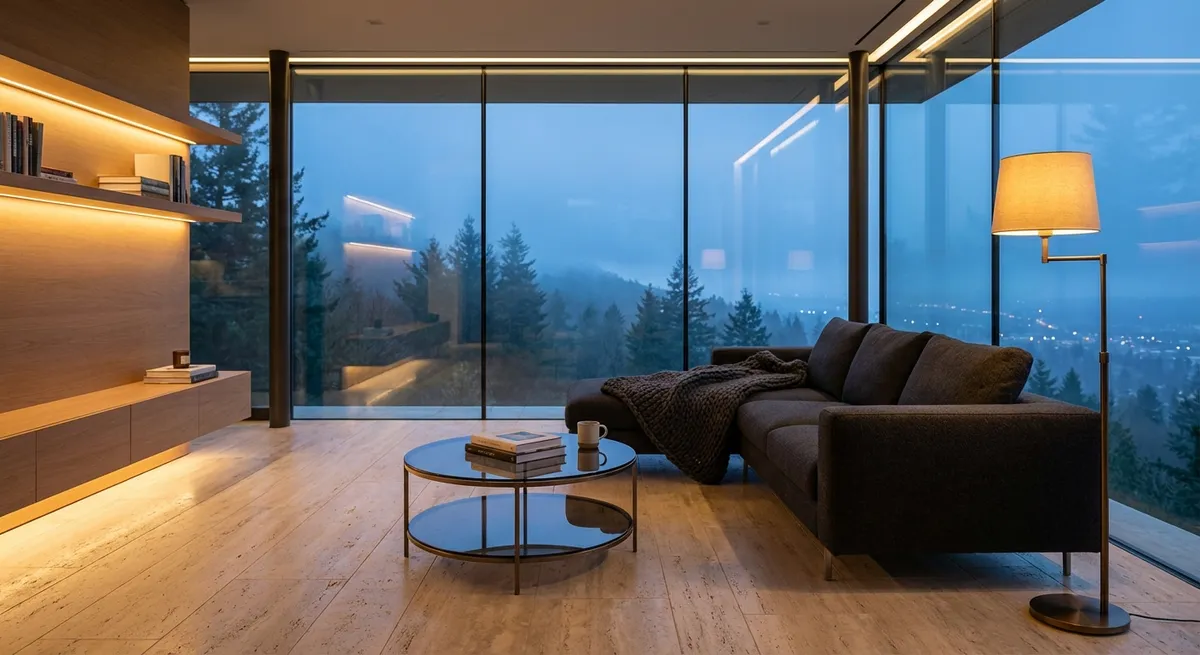
Lighting is similarly moving beyond static overhead fixtures. Architectural lighting schemes now combine concealed linear lighting, narrow-beam accent spots, and thoughtfully placed decorative pieces, all tuned through dimming and color temperature control. A room can feel crisp and gallery-like during the day, then warm and enveloping at night—with no visible hardware vying for attention.
This adaptive calm is what allows a home to remain extraordinarily photogenic for social occasions while being deeply soothing on an ordinary Tuesday evening.
Conclusion
Renovation at the highest level is less about conspicuous transformation and more about intelligent refinement. The trends shaping today’s most compelling homes—layered privacy, quiet tech, material narratives, ritual-based planning, and adaptive calm—share a common thread: they prioritize how a space feels and performs over how loudly it announces itself.
For homeowners embarking on a serious renovation, aligning with these currents is not about chasing fashion. It is about commissioning a home that will feel composed, relevant, and quietly ahead of its time long after the last tradesperson has left the site.
Sources
- [American Institute of Architects (AIA) – Home Design Trends Survey](https://www.aia.org/resources/6292941-home-design-trends-survey) – Industry data on evolving residential design priorities, including layout and technology integration
- [Harvard Joint Center for Housing Studies – Improving America’s Housing](https://www.jchs.harvard.edu/improving-americas-housing) – Research on renovation trends, homeowner preferences, and long-term investment patterns
- [U.S. Department of Energy – Energy Saver: Lighting Choices to Save You Money](https://www.energy.gov/energysaver/lighting-choices-save-you-money) – Technical guidance on efficient lighting strategies and their impact on comfort and performance
- [U.S. Environmental Protection Agency – Indoor Air Quality](https://www.epa.gov/indoor-air-quality-iaq/introduction-indoor-air-quality) – Authoritative information on materials, finishes, and systems that influence indoor environmental quality
- [MIT School of Architecture + Planning – Building Technology Research](https://sap.mit.edu/research/building-technology) – Insight into advanced building systems, integration of technology, and performance-driven design
Key Takeaway
The most important thing to remember from this article is that this information can change how you think about Design Trends.