A truly considered renovation is not a collection of finishes; it is a point of view. Beyond the churn of seasonal trends, a quieter, more discerning current is reshaping how cultivated homeowners approach design. Instead of chasing “what’s in,” sophisticated renovators are refining how spaces are experienced, edited, and emotionally understood. The following insights decode emerging design directions not as fads, but as tools for creating homes that feel timeless, intentional, and deeply personal.
From Statement Rooms to Narrative Homes
The most compelling homes today are not defined by a single “wow” room, but by a continuous narrative that unfolds from entry to private spaces. Renovation decisions are less about isolated features and more about the story a home tells through rhythm, repetition, and restraint.
This narrative approach begins with a clear thesis: How should your home feel at its most resolved? Calmly tailored? Intellectually layered? Warmly urbane? Once defined, every design move is measured against that emotional brief. Door profiles echo millwork proportions; flooring transitions are minimized to preserve flow; color is orchestrated in gradations rather than jolting contrasts. Even functional elements—HVAC grilles, outlets, lighting controls—are either aligned with this narrative or quietly recede.
For the homeowner, this means resisting the urge to treat each room as a separate project. Instead, think like a curator building a cohesive collection. A renovation becomes less about “upgrading the kitchen” and more about harmonizing volumes, sightlines, and surfaces so the home reads as a singular, composed experience.
Quiet Materiality: Texture Over Spectacle
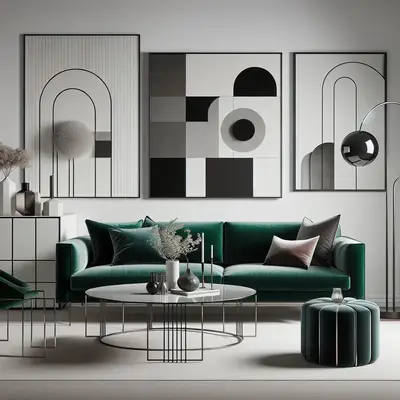
Where once renovation luxury was loudly announced—glossy stone, highly polished metals, maximal veining—the new sophistication is tactile rather than ostentatious. Elevated projects are trading shine for nuance, prioritizing how materials feel in the hand and age over time.
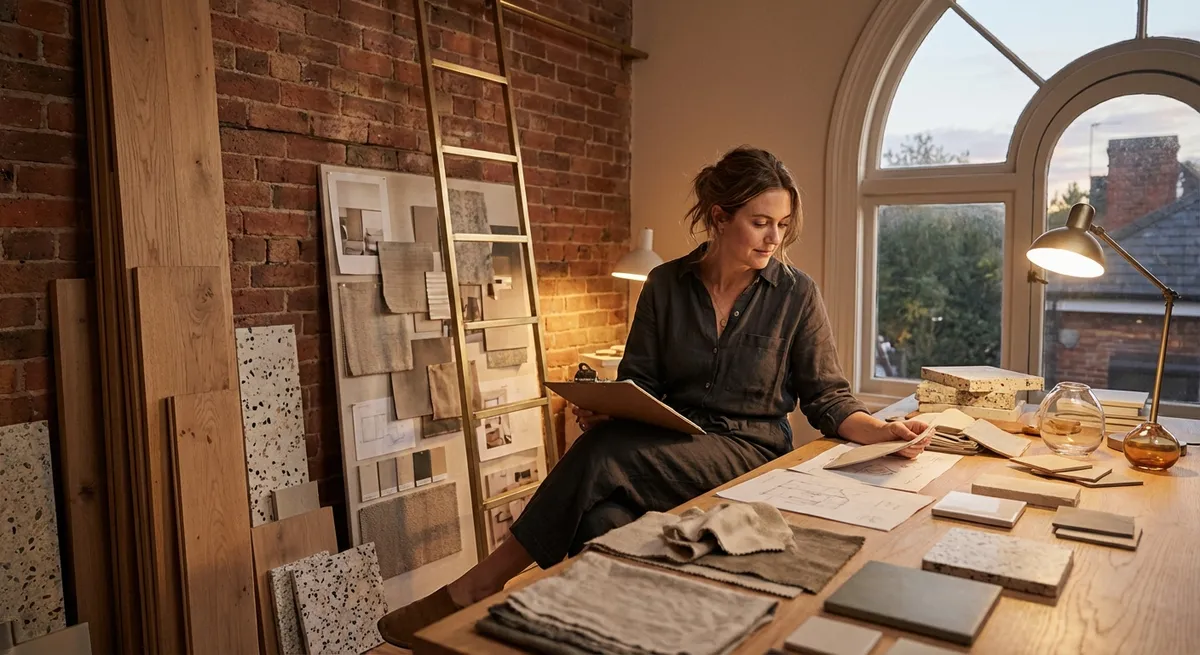
Homeowners are commissioning honed rather than polished stone, brushed or patinated metals over mirror-bright finishes, and timber with visible grain instead of uniformly stained veneers. Limewash and mineral paints introduce soft, atmospheric depth without visual noise. Subtle variation—handmade tiles, barely irregular edges, layered plaster—creates richness that reveals itself slowly, rewarding close attention.
This shift does not reject luxury; it refines it. A single exquisite marble, expertly detailed, can be more resonant than a collage of competing stones. Quality manifests in thickness of material, precision of joins, and thoughtful transitions. When planning your renovation, ask not only “How does this look?” but “How does this feel in morning light, at arm’s length, and after a decade of use?” Quiet materiality is luxury calibrated for real life, not just photographs.
Light as Architecture, Not Accessory
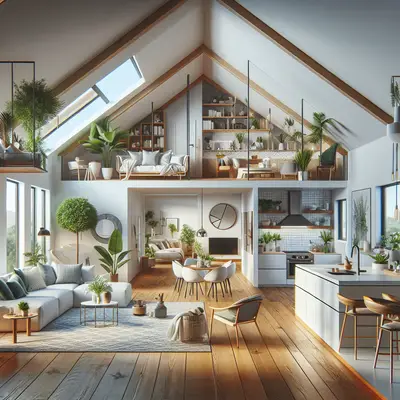
The most forward-thinking renovations treat light as a primary architectural medium rather than an afterthought of decorative fixtures. Natural and artificial light are composed to shape mood, emphasize volume, and choreograph the daily rituals of the home.
In practice, this means designing the shell of the space—openings, clerestories, interior windows, and reflective surfaces—with daylight in mind. Deep window jambs create soft shadows; carefully planned overhangs temper glare while preserving views. Interior glazing allows borrowed light to reach hallways and dressing rooms, making every square foot feel more expansive.
Artificial lighting follows suit in layers rather than isolated “big” fixtures. Trimless recessed lighting, discreet linear details tucked into coves or under shelves, and focused accent lights create depth and hierarchy. Color temperature and dimming become as important as the fixture style itself. Instead of a single ceiling luminaire, think theatre lighting: ambient for daily life, accent for art and objects, task lighting for precision, and deeply dimmable circuits for evening calm.
For renovators, the insight is clear: lighting should be drawn in plan and section as early as walls and doors. A truly refined home feels composed at 6 a.m. in winter and 9 p.m. in summer, not only at the moment a photograph is taken.
Curated Flexibility: Spaces That Edit Themselves
The past few years have taught homeowners that rooms must work harder—serving as office, retreat, gym, classroom, or salon—often within the same footprint. The crass response is multipurpose chaos; the sophisticated response is curated flexibility, where spaces transform without visual compromise.
This new flexibility is architected, not improvised. Pocket or pivot doors can reframe an open living area into a more intimate salon. Integrated storage conceals office paraphernalia, allowing a work zone to vanish into a paneled wall at day’s end. Niches accommodate movable furniture that can migrate between social and private uses without appearing like an afterthought.
Furnishings play a crucial role: dining tables scaled to host both laptop work and candlelit dinners; modular sofas that reconfigure without exposing backs and bases; benches and consoles that can shift between entry, living, and bedroom without losing coherence. Electrical and data infrastructure are discretely threaded through walls and built-ins so that flexibility does not devolve into visible cords and adapters.
For homeowners planning renovation, the key is to script how a room behaves across a week, not just on its best day. A room that elegantly supports its multiple identities—without announcing each one with clutter—is one of the most valuable contemporary luxuries.
Heritage Reframed: Intelligent Contrast, Not Nostalgic Replica
A growing number of refined renovations are moving beyond the binary of “preserve everything old” or “erase and modernize.” Instead, they pursue intelligent contrast: allowing historic or original features to hold their ground while new interventions are unapologetically contemporary, yet sensitively scaled.
This approach honors the authenticity of a building’s bones—moldings, ceiling heights, window proportions, even patinated floors—while avoiding pastiche. Clean-lined cabinetry can sit beneath traditional cornices; minimal fireplace surrounds can intersect with original paneling; slender steel-framed interior doors can rearticulate classic floor plans without mimicking period details.
The sophistication lies in precision. Profiles of new moldings may echo the logic of original ones without copying them; colors might slightly desaturate historic palettes to feel current yet contextually right. Junctions—where old meets new—are celebrated rather than hidden, with crisp reveals or deliberate shifts in material.
For the renovator, this is an invitation to see their home neither as a museum nor a blank white box, but as a layered composition. By amplifying what is structurally and historically compelling, and inserting new elements with clarity and respect, you create a home that feels rooted yet unquestionably of today.
Conclusion
Design trends, at their most valuable, are not commandments but lenses—ways of looking more sharply at what truly matters in a home. The emerging language of sophisticated renovation privileges narrative over noise, texture over spectacle, light over ornament, adaptability over improvisation, and heritage over imitation. For homeowners intent on creating spaces of lasting resonance, these currents offer more than inspiration; they offer a framework for decision-making that is both disciplined and deeply personal.
When every choice is measured against how it contributes to experience—how a door closes, how light falls on a wall at dusk, how a room transforms for a quiet evening or a crowded gathering—renovation becomes less about acquisition and more about authorship. And it is in that authorship that a home transcends trend and becomes unmistakably yours.
Sources
- American Institute of Architects (AIA) – Residential Design Trends Survey – Provides insight into broader patterns in residential design and client priorities, including flexibility and material preferences.
- Harvard Joint Center for Housing Studies – Improving America’s Housing – Research on renovation activity, homeowner behavior, and long-term investment in existing homes.
- U.S. Department of Energy – Daylighting and Efficient Lighting – Technical guidance on maximizing natural light and designing efficient layered lighting strategies.
- National Trust for Historic Preservation – Case studies and essays on integrating contemporary interventions within historic and character-rich buildings.
- MIT School of Architecture and Planning – Design and Computation Research – Scholarly perspective on design thinking, spatial performance, and how architectural decisions influence experience.
Key Takeaway
The most important thing to remember from this article is that this information can change how you think about Design Trends.