A truly elevated renovation is not about spectacle; it is about endurance. The most successful homes do not shout their transformation—they reveal it slowly, through intelligent planning, quiet refinement, and decisions that feel even more correct a decade from now than they do on installation day. For homeowners preparing to invest thoughtfully, the distinction between “updated” and “timelessly reimagined” lies in a series of nuanced, often overlooked choices.
Below are five exclusive, strategic insights that reward patience, discernment, and a long view of how you actually live—today and ten years hence.
1. Design the Daily Choreography Before You Select a Single Finish
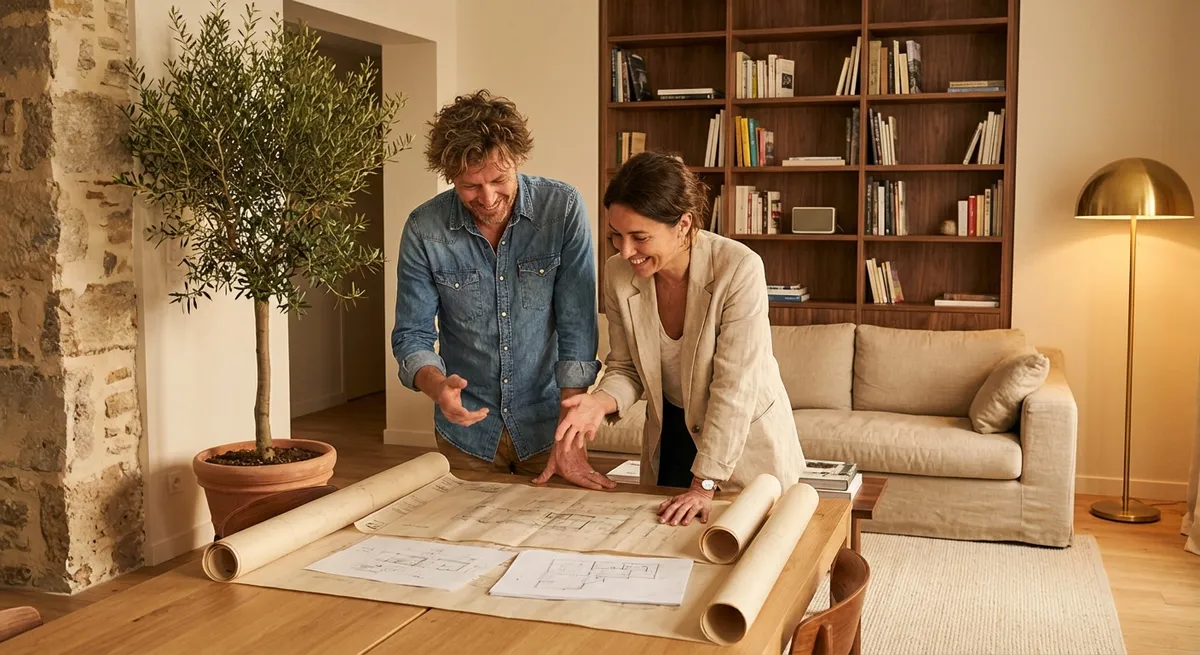
Before discussing marble types or cabinet profiles, map how your household actually moves. A refined renovation begins with circulation—how you enter, put things down, cook, entertain, work, and restore.
Walk through a typical weekday and weekend and sketch it:
- Where do keys, bags, and shoes land the moment you step inside?
- How many people are in the kitchen at peak times, and what are they doing?
- Where do you take calls, and where do you need absolute quiet?
- Which doors and hallways feel congested, even if square footage is generous?
Instead of forcing your routines into an existing layout, allow the plan to be re-cut in service of that choreography. This may mean reallocating space from a little-used formal dining room to expand a hard‑working entry, or creating a secondary “prep” zone in the kitchen that separates cooking from serving.
When layout is driven by lived patterns rather than architectural habit, every subsequent decision—lighting, storage, furniture, even art placement—feels inevitable. This is the foundation of a renovation that feels composed rather than decorated.
2. Curate a Palette of Materials That Accept Patina with Grace
Premium design is not about materials that remain untouched; it is about those that become lovelier as they record your life. The most refined homes lean into controlled patina—finishes chosen precisely because they age elegantly, not in spite of it.
Consider:
- Floors: Opt for solid or engineered wood with a matte finish that hides micro-scratches, or stone with subtle movement that disguises wear. Extremely glossy finishes showcase every imperfection.
- Counters: Honed stone, dense quartzite, or ultra-compact surfaces provide a refined visual softness and often better conceal etching or fingerprints than high-gloss stone.
- Metals: Choose unlacquered brass, bronze, or brushed nickel in key touchpoints that will develop depth over time, and pair them with more resilient finishes in high-abuse areas to balance beauty with practicality.
- Walls: High-quality, washable paints in refined, low-sheen finishes (eggshell or matte designed for durability) catch the light tenderly while withstanding daily life.
By asking, “How will this look in five years of regular use?” rather than “How impressive is this in a showroom?” you assemble an envelope of materials that develop character instead of fatigue.
3. Conceal Complexity, Not Capability
The most sophisticated renovations quietly integrate robust systems—lighting, climate, data, security—while preserving visual calm. The goal is not minimalism at all costs; it is the thoughtful concealment of complexity so the eye can rest and the mind can breathe.
Approaches that distinguish a premium project:
- Layered, invisible lighting: Recessed downlights are only the beginning. Integrate cove lighting, toe-kicks in kitchens and baths, art lighting, and concealed linear LEDs to create depth and mood, all controlled by intuitive scenes rather than a wall cluttered with switches.
- Integrated technology: Plan wiring, conduits, and equipment closets early so that speakers, access points, and screens are either invisible or architecturally integrated, not awkward afterthoughts.
- Air quality and comfort: Consider the placement of vents, returns, and thermostats for acoustic and visual discretion. High-quality filtration and well-designed ducting improve both health and serenity.
- Storage for the unsightly: Design deliberate hiding places for chargers, modems, cleaning tools, and household paperwork. A refined space looks that way because daily mess has somewhere intelligent to go.
This is the quiet backbone of an elevated renovation: a home that feels simple on the surface because it is profoundly considered beneath it.
4. Elevate Secondary Spaces to Primary-Level Sophistication
A hallmark of a truly cultivated home is the absence of “forgotten” rooms. Mudrooms, laundries, back halls, pantries, guest baths—these supporting actors often shape your daily experience more than the grand living room ever will.
Instead of treating these as purely utilitarian:
- Mudroom & entry support: Use durable stone or porcelain underfoot, thoughtfully designed millwork for shoes, bags, and seasonal rotation, and handsome hooks and hardware that feel considered rather than improvised.
- Laundry as atelier: Introduce under-cabinet lighting, generous counters, high-quality plumbing fixtures, and a calm tonal palette that makes this space feel like a small studio rather than a utility closet.
- Pantry as quiet luxury: Allocate space for both closed storage and a few open, beautifully arranged shelves. Integrate power for small appliances, turning the pantry into a working extension of the kitchen.
- Guest and powder rooms: These compact spaces are opportunities for richer materials, bolder textures, or an exquisite light fixture—moments of intimacy guests remember.
When secondary spaces receive primary-level attention, your home feels coherent and intentional from the front door to the most concealed corner.
5. Design for Adaptable Luxury, Not Static Perfection
Life evolves. Families grow, careers shift, needs change. A rigidly perfect layout can become obsolete; an adaptable one becomes a long-term asset. The most intelligent renovations anticipate transformation without sacrificing elegance.
Strategies to build in graceful flexibility:
- Rooms with dual identities: A library with discreetly integrated workspace, a sitting room with concealed sofa bed and storage, or a home office that can convert into a quiet retreat or nursery without structural change.
- Movable or reconfigurable elements: Consider built-ins that can accept different functions over time (for example, deep window seats with concealed storage, shelving that can shift from books to display).
- Subtle infrastructure for future upgrades: Reinforce walls for potential future grab bars in baths, pre-wire for additional lighting or automation, and plan access to key chases and junctions so upgrades don’t require demolition.
- Furniture-led zoning: In larger open spaces, rely on furniture, rugs, and lighting to define zones rather than excessive walls. This allows the same square footage to adapt from family-centric to entertaining-focused and back again.
Adaptable luxury is not about compromise; it is about creating a refined framework that can flex with your life while maintaining its composure.
Conclusion
A renovation of true caliber is not defined by how dramatically it reinvents a space, but by how peacefully and intelligently it supports the life lived within it. When circulation is choreographed, materials are chosen for their graceful aging, complexity is concealed, secondary spaces are honored, and flexibility is quietly embedded, the result is more than an “updated” home—it is a cultivated environment that matures alongside you.
For homeowners willing to think beyond surface transformation, these five insights provide a roadmap to a renovation that feels as sophisticated in year ten as it does on installation day—and perhaps even more so.
Sources
- Harvard Joint Center for Housing Studies – Improving America’s Housing – Research and data on renovation trends, spending, and long-term remodeling patterns
- U.S. Department of Energy – Energy Saver: Home Improvements – Guidance on planning energy-efficient upgrades that can be integrated into renovation planning
- American Society of Interior Designers (ASID) – Research & Reports – Insights on design trends, wellness, and how people use space, supporting layout and material decisions
- National Kitchen & Bath Association (NKBA) – Design Trends – Professional perspectives on functional kitchen and bath planning, storage, and systems integration
- Cornell University – Human Factors and Ergonomics – Evidence-based principles on comfort, circulation, and human-centered design that inform high-functioning, refined layouts
Key Takeaway
The most important thing to remember from this article is that this information can change how you think about Home Renovation.