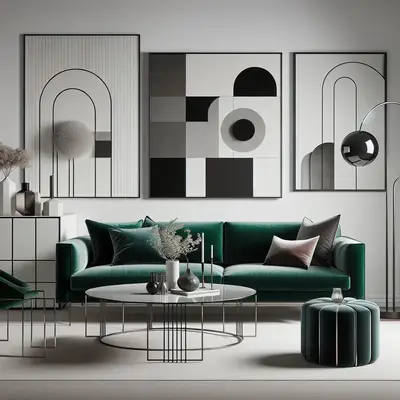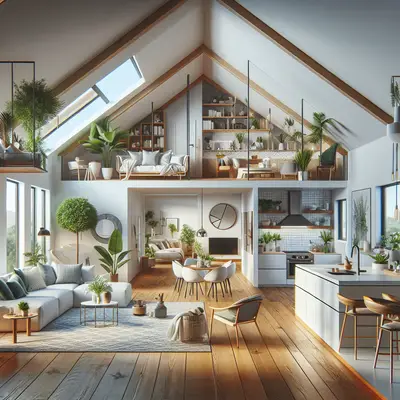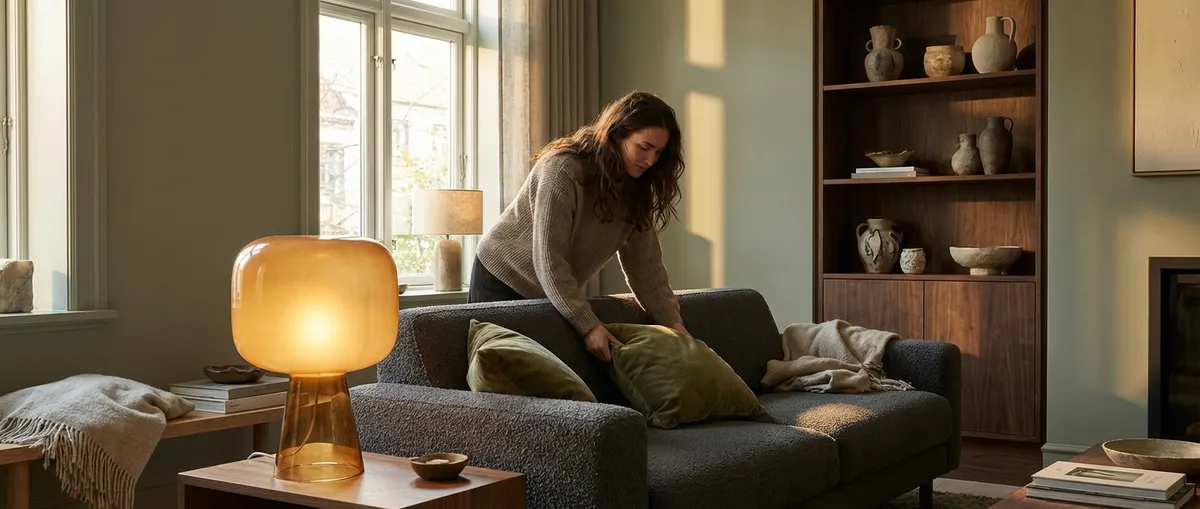
Renovation at the highest level is no longer about spectacle; it is about orchestration. The most compelling homes being created today share a quiet, deliberate confidence—spaces that feel composed rather than decorated, edited rather than filled. For homeowners planning a renovation, the opportunity lies in recognizing the design undercurrents that will endure beyond this season’s trends. Below, you’ll find five exclusive, nuanced shifts that are reshaping how discerning renovators think about materials, layout, technology, and atmosphere—each one a lens through which to refine your next project with intention.
Insight 1: From Open Concept to Layered Privacy
The once-aspirational fully open floor plan is giving way to something more nuanced: layered openness. Homeowners still want visual flow and connection, but with the ability to modulate privacy, sound, and purpose.
In practice, this means introducing “soft separations” instead of full-height walls. Steel-framed glass partitions, wide cased openings, pocket doors, slatted screens, and partial-height bookcase walls preserve sightlines while restoring acoustic calm. Libraries double as Zoom rooms, dining rooms gain concealed pocket doors for intimate dinners, and primary suites incorporate small vestibules that act as psychological thresholds between public and private zones.
When planning your renovation, think in gradients rather than absolutes: consider which spaces should feel fully open, which should be visually connected but acoustically buffered, and which deserve complete seclusion. This layered approach respects the realities of contemporary life—remote work, multi-generational households, and the desire for both sociability and retreat—without sacrificing elegance.
Insight 2: Quiet Luxury Through Material Nuance, Not Logo Statements
True luxury in residential design has shifted from conspicuous branding to an almost scholarly attention to materiality. The most refined renovations prioritize tactile richness and subtle variation over overtly “statement” surfaces.
Instead of high-gloss finishes that announce themselves, we see honed stones with gentle veining, brushed metals that develop a soft patina, and limewash or mineral paints that introduce depth through slight irregularity. Even engineered surfaces are being chosen with greater restraint: matte finishes, slim profiles, and understated edge details that sit quietly within the architecture rather than dominating it.
An elevated renovation asks: How does this material age? How does it feel under bare feet or to the touch of a hand on a stair rail? Are there quiet relationships between surfaces—the way the warmth of oak plays against cool limestone, or how a muted bronze echo appears in cabinet hardware, door levers, and lighting? Homeowners who lean into these questions often end up with spaces that feel expensive not because of visible labels, but because every surface has been considered as part of a cohesive material narrative.
Insight 3: The Discreet Integration of Technology
Technology-rich homes used to signal their sophistication through visible gadgets; now, the most coveted spaces handle tech almost invisibly. The goal is frictionless function without visual noise.
In kitchens, outlets are recessed into undersides of upper cabinets or integrated into countertop pop-ups; charging drawers keep everyday devices out of sight. Media rooms are designed with concealed speaker grilles, fabric-wrapped acoustic panels, and built-ins that allow equipment to “disappear” when not in use. Smart lighting scenes are pre-programmed—one touch for evening entertaining, another for early-morning paths—yet keypads are minimal and thoughtfully placed.
When planning your renovation, consider a “technology silence test”: In your primary living spaces, could a guest experience the ambiance—the comfort, the light, the sound quality—without being able to immediately point to the technology enabling it? This often means investing early in infrastructure (wiring, networking, HVAC zoning) so that the aesthetic envelope remains clean, and tech can serve the architecture rather than compete with it.
Insight 4: Purposeful Imperfection and the Return of Character
The appetite for flawless surfaces and rigid symmetry is softening. There is a growing appreciation for purposeful imperfection—spaces where a touch of irregularity introduces soul and makes a home feel lived in rather than staged.
This doesn’t mean careless execution; it means curated character. Think hand-troweled plaster that catches light in subtly uneven ways, reclaimed beams with visible history, handmade tile with slight variation in tone and shape, or a single antique piece that quietly anchors an otherwise contemporary room. Even in highly modern spaces, introducing one or two elements with age, patina, or handworked detail can prevent sterility.
For homeowners, the strategic move is to decide where perfection is truly essential (for example, cabinet alignment, door operation, waterproofing) and where humanity can show through. A flawlessly installed shower is non-negotiable; a slightly irregular zellige tile in that same shower can be precisely the element that makes it feel bespoke. The most sophisticated renovations choreograph this balance with intention.
Insight 5: Lighting as Architectural Couture, Not an Afterthought
In elevated residential design, lighting has moved from “finishing touch” to primary design driver. It is no longer just about what fixtures you choose, but about the hierarchy, temperature, and sculptural effect of light throughout the day.
Three key considerations distinguish the most refined renovations:
- Layered Illumination: Ambient, task, and accent lighting are planned together from the earliest stages. Cove lighting in a ceiling detail, floor-level guide lights in corridors, and pinpoint art lighting are designed in concert, not appended later.
- Color Temperature Discipline: A restrained palette of color temperatures—typically warm white and very warm white—is maintained across spaces to avoid the disjointed feel of mismatched LEDs. Warmer light in the evening supports both ambiance and circadian comfort.
- Sculptural and Silent Fixtures: Statement fixtures are chosen with the same rigor as fine furniture, often limited to a few key areas (dining, entry, or over a stair). Elsewhere, recessed or minimally visible fixtures allow architecture and materials to remain the focus.
Homeowners who treat lighting as “architectural couture”—tailored precisely to the house and its occupants—find that the same room can shift from gallery-like clarity by day to soft, enveloping calm at night. In a truly sophisticated renovation, light is as carefully composed as any piece of joinery or stonework.
Conclusion
The most compelling renovations emerging today share a common thread: restraint with intent. Rather than chasing fleeting trends, they refine what already exists, introduce depth through subtle material choices, integrate technology without visual clutter, restore layers of privacy, and choreograph light with the precision of a stage set.
For homeowners on the cusp of a renovation, these five insights offer more than inspiration—they provide a framework for decision-making. By asking how each choice will feel, age, and function within a larger narrative of quiet refinement, you move beyond simply updating a property and begin the more rewarding work of shaping a home with enduring presence and quiet confidence.
Sources
- Harvard Joint Center for Housing Studies – Improving America’s Housing 2023 - Data and analysis on renovation patterns and homeowner priorities
- American Institute of Architects (AIA) Home Design Trends Survey - Insights into evolving residential design preferences, including layouts and technology
- U.S. Department of Energy – Residential Lighting - Guidance on lighting efficiency, color temperature, and planning principles
- The New York Times – “The Case for Rooms” - Discussion of the shift away from fully open floor plans toward more flexible, private spaces
- Architectural Digest – “What Is Quiet Luxury in Interior Design?” - Exploration of understated, material-driven approaches to high-end interiors
Key Takeaway
The most important thing to remember from this article is that this information can change how you think about Design Trends.