Renovation at the highest level is rarely about spectacle. It is about calibration—of light, texture, proportion, and ease of use—until a home feels inevitable, as though it could not have been designed any other way. For homeowners pursuing a renovation that reads as quietly confident rather than loudly correct, the current design landscape offers rich, nuanced possibilities.
Below are five exclusive, forward-thinking insights that sit just beyond the usual Pinterest mood board—ideas that can quietly transform a project from “well-renovated” to truly exceptional.
Insight 1: The Architecture of Stillness
The most sophisticated homes being renovated today share one characteristic: they deliberately create places where the eye can rest.
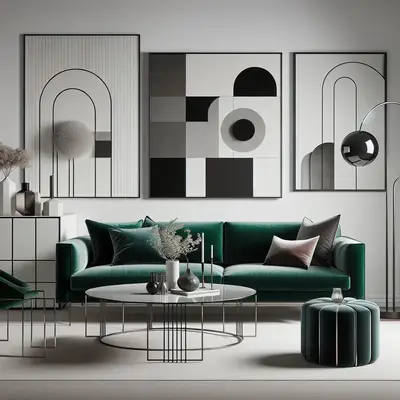
Instead of layering every surface with statement finishes, designers are curating “quiet zones” within each room—walls with restrained treatment, uncluttered vistas, and furniture arrangements that prioritize negative space. Think of these as visual pauses that allow the rest of the room’s details to register more profoundly. A pared-back plaster wall, for instance, becomes the foil that allows a single sculptural light fixture or heirloom piece to feel museum-worthy rather than decorative.
Architecturally, this often translates to more disciplined use of trim, concealed door hardware, and flush transitions between materials. Millwork lines are simplified, but executed in impeccable proportions and joinery. The result is not minimalism in the strict sense, but stillness: a deliberate reduction of visual noise so that the home feels composed, not crowded. For a renovation, this can mean removing an unnecessary archway, simplifying overly decorative casings, or aligning door heads and window heads to create a calm, continuous horizon throughout the home.
Insight 2: Layered Warmth Over Cold Perfection
For years, renovation imagery favored sharp whites, cool greys, and immaculate, almost clinical kitchens. Today, a more nuanced aesthetic is emerging—one that recognizes the emotional value of warmth without sacrificing precision.
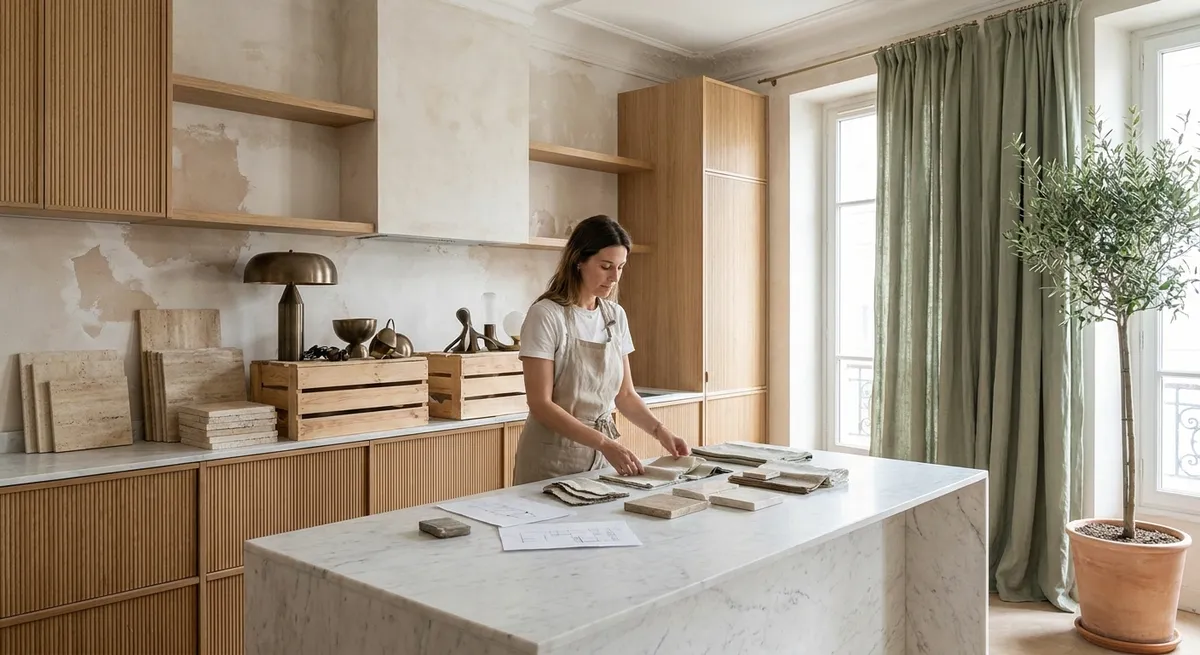
Homeowners with a cultivated eye are gravitating toward gentle off-whites, complex beiges, and desaturated browns that shift slightly with the light. Rather than glossy perfection, they are choosing finishes that age with grace: brushed metals that develop a soft patina, honed stone that accepts micro-scratches as character, and oiled woods that can be revived rather than replaced. This approach turns maintenance from a burden into an ongoing relationship with the material.
In cabinetry and millwork, rich but tempered woods—riftsawn oak, walnut with minimal figure, ash with soft staining—are paired with restrained hardware in burnished brass, bronze, or nickel that feels almost jewelry-like, never loud. The luxury lies in the balance: a kitchen can feature high-performing appliances and precision joinery, yet avoid the chilly, showroom feel by embracing tactile surfaces and a palette with visual temperature.
For a renovation, this might mean substituting lacquered cabinets with hand-finished wood, choosing honed marble or quartzite over polished, and selecting fabrics with a dry, textured hand—bouclé, heavy linen, or wool blends—rather than shiny synthetics or fragile silks.
Insight 3: Discreet Technology, Deeply Integrated
In elevated renovations, technology is no longer a performance; it is an invisible infrastructure that supports comfort and control without visually dominating the space.
Rather than mounting visible touchscreens on every wall, thoughtfully designed homes are integrating controls into joinery, recessing them into wall planes, or consolidating them into a few elegant hubs. Speakers are concealed in ceilings, millwork, and even plaster surfaces; window treatments are motorized but tucked into recessed pockets so that hardware nearly disappears. Charging drawers, integrated cable management, and appliance garages keep countertop landscapes visually pristine.
The more refined approach is to treat technology as a material, not an accessory. That means planning for it at the architectural level: reinforcing walls where large screens will hang, pre-wiring for future upgrades, considering cooling and access panels for AV closets, and coordinating venting and power requirements with cabinetry design so that nothing feels like an afterthought.
For homeowners planning renovations, the exclusive advantage lies in agitation-free living. Lighting scenes that transition from morning clarity to evening softness at the touch of a button, climate zones that quiet hot and cold spots, and security systems that are robust without being conspicuous—all of this functions best when the renovation has been planned around it, not adapted to it.
Insight 4: Purposeful Rooms Over Endless “Open Concept”
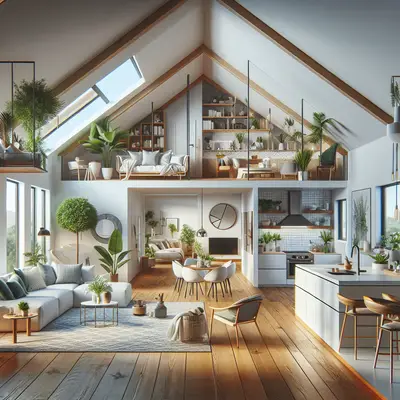
The blanket pursuit of open-plan living is giving way to something more intelligent: spatial sequences that are connected, but not indiscriminate. The most elegant renovations now read like a considered narrative of rooms, each with a defined purpose and mood, rather than a single undifferentiated volume.
This does not mean returning to cramped partitions. Instead, homeowners are embracing soft separations: cased openings without doors, wide portals framed in wood or stone, steel-and-glass partitions that borrow light while still granting acoustic and psychological separation. Libraries with full-height shelving, small conversation salons, and semi-enclosed studies are making a considered return—spaces defined not by square footage, but by what they invite you to do.
Within this approach, circulation becomes an instrument of luxury. Corridors are widened slightly; thresholds are emphasized; even a modest home can feel elevated when each transition has been thought through. The kitchen may open to a dining area, but a subtle change in ceiling height or flooring material signals a shift in function and atmosphere.
When renovating, consider which activities genuinely deserve their own zone—reading, working, entertaining, restoring—and design toward that, rather than defaulting to a single open arena. The result is a home that supports both convivial gatherings and measured solitude, without apology.
Insight 5: Crafted Sustainability, Beyond Token Gestures
Sustainability in premium renovations has matured beyond a checklist of eco-labels and recycled materials. The most sophisticated projects now treat environmental responsibility as an aesthetic and architectural opportunity, not just an ethical obligation.
This begins with restraint: preserving as much of the existing structure as feasible, reusing millwork or doors where possible, and investing in quality finishes intended to last decades, not design cycles. Durable, repairable materials—solid wood, stone, lime plaster, metal, wool—are chosen for their long-term behavior as much as their immediate beauty.
Daylight is optimized through carefully considered window placements, internal glass partitions, and reflective yet warm finishes, reducing the reliance on artificial light during the day. Mechanical systems are quietly upgraded: high-efficiency HVAC, improved insulation, and well-detailed air sealing that make a home more comfortable while reducing energy consumption. Water fixtures are selected for both performance and conservation; landscape design favors native plantings that soften the architecture while minimizing maintenance.
The aesthetic payoff is significant. Deep window reveals created for insulation become sculptural; operable skylights introduce shafts of changing light; natural ventilation strategies encourage large doors that dissolve boundaries between interior and exterior. Rather than a visible “eco” statement, sustainability becomes a background layer that makes the home feel calmer, healthier, and more enduring.
Conclusion
Renovation at a refined level is less about chasing trends and more about absorbing them, distilling them, and applying only what serves the life lived within the walls. The current design moment favors homes that are serene rather than showy, warm rather than sterile, considered rather than compulsively open, integrated rather than gadget-laden, and sustainably constructed without aesthetic compromise.
For the discerning homeowner, the opportunity lies in using these trends as lenses, not rules—asking how stillness, warmth, discretion, purpose, and endurance can inform each decision. When those principles are honored, a renovation stops feeling “new” and instead feels inevitable: a home that appears as though it has always been exactly this well resolved.
Sources
- [American Institute of Architects (AIA) – Residential Design Trends Survey](https://www.aia.org/resources/6493432-residential-design-trends-survey) – Insights into evolving homeowner priorities in residential architecture and renovation
- [U.S. Department of Energy – Energy Saver](https://www.energy.gov/energysaver/energy-saver) – Guidance on efficient HVAC, daylighting, insulation, and other performance upgrades relevant to renovations
- [Harvard Joint Center for Housing Studies – Improving America’s Housing](https://www.jchs.harvard.edu/research-areas/remodeling) – Research on remodeling trends, spending patterns, and homeowner behavior
- [Architectural Digest – Design Trends and Home Features](https://www.architecturaldigest.com/section/architecture-design) – Ongoing coverage of high-end design directions, material choices, and spatial strategies
- [United States Environmental Protection Agency – Indoor Air Quality](https://www.epa.gov/indoor-air-quality-iaq) – Information on healthy materials, ventilation strategies, and building practices that support well-being in renovated homes
Key Takeaway
The most important thing to remember from this article is that this information can change how you think about Design Trends.