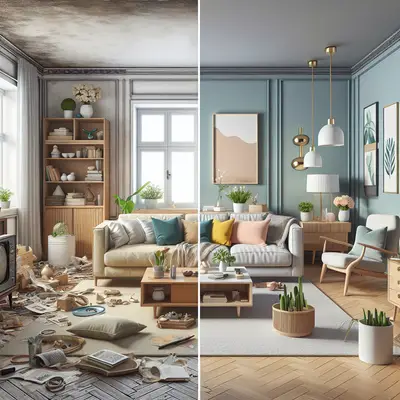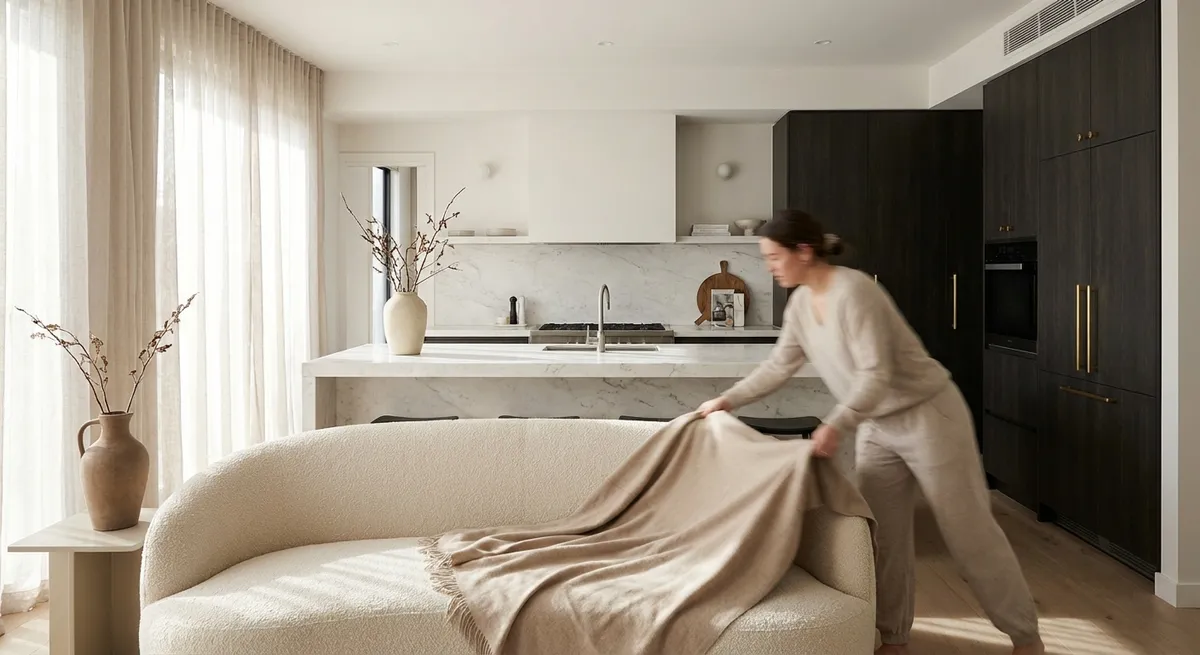
Renovation, at its most considered, is less about spectacle and more about calibration. The cultivated home does not shout its value; it reveals it in the way a corridor catches morning light, how a cabinet closes with a soft precision, how a room adapts to a workday, a dinner party, and a quiet Sunday without protest. For homeowners ready to move beyond surface-level upgrades, a successful renovation is a choreography of micro-decisions that compound into enduring comfort, elegance, and resilience.
Below are five exclusive, often-overlooked insights that elevate a project from “well-updated” to quietly exceptional.
1. Design for the Invisible Daily Rituals, Not Just the Room
Most renovations obsess over the visible: tile selections, paint colors, hardware finishes. The sophisticated renovator begins earlier—by decoding how life actually unfolds in the home.
Instead of asking, “What should this room look like?” ask, “What must this room quietly enable?” Map your day with precision: where you drop your keys, charge your devices, sort your mail, lay out school bags, or stage a week’s worth of work-from-home. These micro-rituals should have built-in destinations, not improvised corners.
Think custom millwork that hides the family “command center” behind paneled doors in the kitchen, or a slim, power-integrated console at the entry that discreetly tucks away chargers, headphones, and mail. Consider how often you entertain and whether a secondary “dirty” prep zone—concealed from guests but adjacent to the main kitchen—would change how relaxed you feel hosting.
By designing for daily rituals first and aesthetics second, you create spaces that feel effortlessly composed, because they are structurally aligned with how you live, not just how you wish your home to appear.
2. Treat Light as Architecture, Not an Accessory
Lighting is one of the most underleveraged tools in renovation—and one of the most transformative when treated as architecture rather than décor.
Begin with daylight. Study how light moves through your home across the day and seasons. You may discover that a modestly enlarged window, a carefully placed transom, or a glazed interior partition offers more perceived luxury than a far more expensive material upgrade. Daylight is the one finish that never dates.
Layered artificial lighting then refines the mood:
- Ambient lighting sets the base level of brightness, ideally soft and uniform.
- Task lighting sharpens function at counters, desks, and reading chairs.
- Accent lighting heightens drama, grazing stone, illuminating art, and defining architectural forms.
Thoughtful control is the final, often-missed layer. Dimmers, scene settings, and zoned switching allow the same room to serve multiple lives: a bright, crisp morning workspace; a subdued, intimate evening salon; a welcoming glow for late arrivals. Invest in fewer, higher-quality fixtures and pair them with a robust control strategy; the result is a home that feels curated at every hour, not simply lit.
3. Elevate Quiet Performance: Acoustics, Air, and Thermal Comfort
Premium renovation is not just what you see—it is what you don’t hear, smell, or feel as a draft. The most refined homes excel in what might be called “quiet performance”: acoustics, air quality, and thermal stability.
Acoustics
Wall assemblies, floor underlayments, solid-core doors, and soft finishes can dramatically improve sound control between rooms and floors. Rather than defaulting to “builder standard,” specify acoustic insulation in bedrooms and home offices, add door seals, and consider area rugs or fabric panels in echo-prone zones like double-height spaces. This is the difference between a house that feels noisy and restless and one that feels composed, even when fully occupied.
Air quality
Subtle luxury is breathing clean, fresh air without thinking about it. Consider upgrading ventilation—especially in tighter, better-insulated homes—with dedicated mechanical ventilation or energy recovery systems where appropriate. Low-VOC paints, adhesives, and finishes, as well as thoughtful placement of cooking ventilation, contribute to a space that not only looks refined but supports long-term health.
Thermal comfort
Rather than only chasing aesthetic finishes, invest in high-performance windows, improved insulation in key envelopes, and well-zoned heating and cooling. Radiant floor heat in bathrooms, for instance, offers a daily tactile pleasure that feels far more luxurious than many decorative additions. The refined home feels consistent—no “cold corners,” hot upstairs / cold downstairs battles, or drafty seating zones.
4. Conceal Complexity, Highlight Simplicity
High-end renovations often fail when they confuse visible complexity with value. True sophistication lies in hiding the complicated so that life feels disarmingly simple.
Think of your renovation in two layers:
- The visible layer: calm, coherent, minimal visual noise.
- The concealed layer: dense with infrastructure—power, data, storage, mechanical systems—thoughtfully planned and easily accessible when required.
- Integrated storage that anticipates future needs: hidden charging drawers, concealed printer cabinets, slide-out recycling centers, under-stair storage with full-extension hardware.
- Service access to plumbing and electrical through discrete panels, making maintenance non-invasive.
- Technology that recedes: in-wall conduits for future cabling, recessed outlets behind wall-mounted televisions, structured wiring hubs that centralize the visual chaos of routers and cables out of sight.
Consider:
The aim is not to eliminate complexity but to relocate it to invisible, managed zones. When done well, the home feels almost intuitive—everything has a place, everything functions seamlessly—yet no one sees the underlying choreography.
5. Design for Future Flexibility Without Visual Compromise
The most intelligent renovations are not rigid monuments to present-day preferences; they are resilient frameworks that gracefully adapt as life evolves.
This does not mean sterile, “multi-purpose” rooms that never quite excel at anything. It means designing with discreet, future-ready moves:
- Structural foresight: If you’re opening walls, evaluate where strategic beams or reinforcements could support a later attic conversion, roof deck, or expanded opening.
- Plumbing and electrical pre-planning: Rough-in behind walls for a future wet bar, second laundry, or additional bath, even if you don’t execute it now. The cost of foresight is modest compared to future demolition.
- Joinery with options: Built-ins that can shift roles—open shelves that can later accept doors, a niche designed to fit either a desk or a dresser, closets prepped for adjustable interiors rather than fixed rods and shelves.
- Room roles that can pivot: A “guest bedroom” designed with envelope lighting, enhanced sound insulation, and wiring for screens and data can later become a teleconference-ready office, media den, or even a private lounge.
The key is to embed flexibility without sacrificing elegance. Future-proofing should be almost invisible: clean lines, proportionate openings, and timeless materials that quietly welcome whatever the next chapter requires.
Conclusion
A renovation of genuine caliber is not defined by how much is changed, but by how precisely it is refined. When you design for daily rituals, shape light as architecture, invest in quiet performance, conceal complexity, and build in future flexibility, your home stops being a backdrop and becomes an instrument—tuned to your life, responsive to its shifts, and gracious in its everyday use.
The cultivated home is not loud, but it is unmistakable. Its luxury is felt rather than announced: in a peaceful night’s sleep, a flawless dinner service, a room that transitions effortlessly from work to leisure, and a space that feels as intelligent as it is beautiful. That is the standard worth renovating for.
Sources
- U.S. Department of Energy – Energy Efficient Home Design - Guidance on daylighting, insulation, windows, and HVAC strategies that inform comfort-focused renovations
- U.S. Environmental Protection Agency – Indoor Air Quality Basics - Explains how materials, ventilation, and design decisions impact indoor air quality
- Harvard Joint Center for Housing Studies – Improving America’s Housing - Research on renovation trends, spending priorities, and long-term value in residential upgrades
- Illuminating Engineering Society (IES) – Lighting for Homes - Professional guidance on layered residential lighting and quality of light
- National Institute of Building Sciences – Whole Building Design Guide: Acoustics - Technical overview of acoustic strategies that can be adapted at a residential scale
Key Takeaway
The most important thing to remember from this article is that this information can change how you think about Home Renovation.