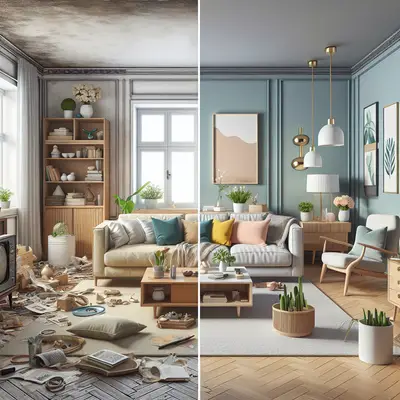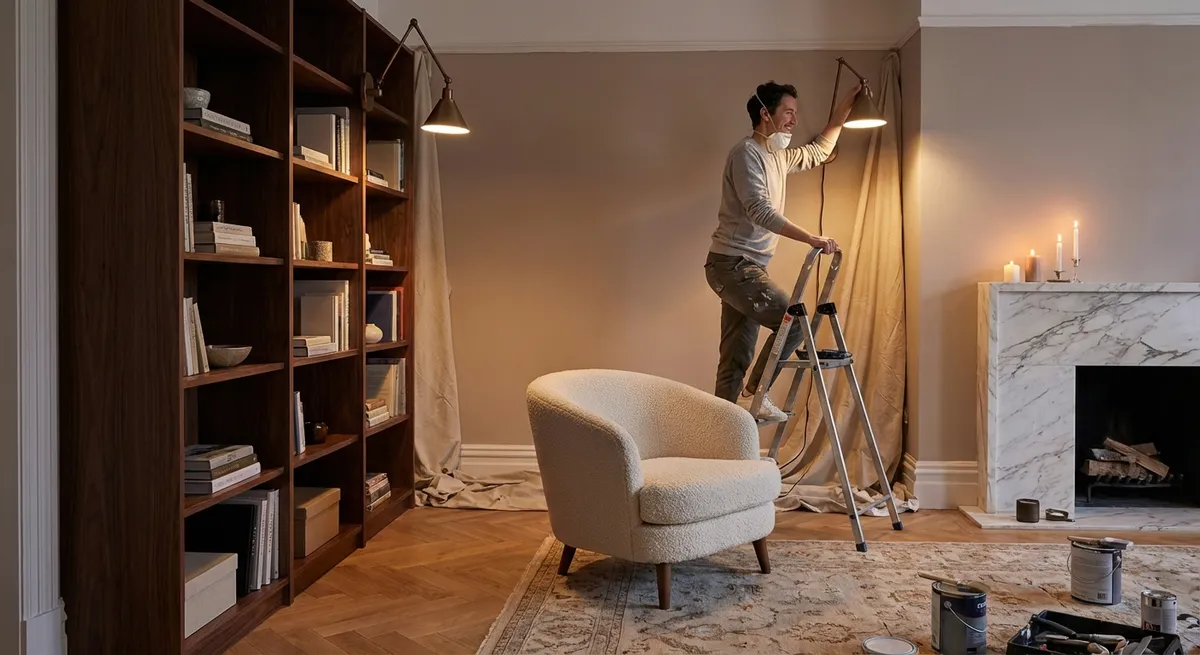
In truly elevated homes, the luxury is rarely loud. It’s in the calibrated quiet of a door that closes without a sound, the way light falls perfectly across a countertop at 4 p.m., the way a hallway feels proportioned rather than merely “wide.” Renovation, at its highest level, is less about spectacle and more about orchestration—of space, of light, of time, and of daily rituals. For homeowners seeking something beyond the predictable “before and after,” the difference lies in a handful of discreet but transformative decisions.
Below, you’ll find five exclusive, often-overlooked insights that distinguish a refined renovation from a merely expensive one. Each is subtle on its own; together, they recalibrate how your home feels, functions, and ages.
1. Design the Daily Path, Not Just the Floor Plan
Most renovations obsess over square footage and room labels: kitchen, family room, primary suite. Sophisticated homes, however, are designed around movement—how you and your family actually travel through the day.
Begin with a “day-in-the-life map.” From the moment you wake up to the moment you turn off the last light, trace your natural path: where you pause, where you drop your bag, where clutter accumulates, where you always wish there were an outlet, a hook, or a soft place to land.
Elevated strategies to incorporate:
- Arrival choreography: Instead of a generic “mudroom,” design a deliberate arrival sequence. Think concealed charging drawers for phones and laptops, a tailored niche for handbags, and a slim pull-out for mail and packages—hidden, but immediately accessible.
- Micro-stations, not catch-all spaces: Coffee preparation near the quiet morning light, a discreet evening beverage station adjacent to the living area, a well-lit spot near the entry for keys and access cards. Each reduces friction and visual noise.
- The silent loop: Avoid dead ends. Thoughtful circulation—looping paths that allow you to move around rather than backtrack—adds a sense of ease that guests will notice, even if they can’t quite name it.
- Invisible practicality: Shallow built-ins along transitional spaces for seasonal items, dog leashes, or guest slippers. When these micro-conveniences are seamlessly integrated, your home feels effortlessly in order.
When you design for the lived sequence rather than the static plan, even modest spaces begin to feel curated and composed.
2. Treat Light as Architecture, Not Decoration
Light is the quiet architecture of a distinguished home. It shapes how colors read, how large rooms feel, and even how calm you feel at night. Most renovations stop at “recessed LEDs and a decorative chandelier.” Premium renovations begin much earlier—at the intersection of daylight, energy performance, and emotional impact.
Consider layering light with intention:
- Daylight zoning: Map east, south, and west exposures. Place morning rituals (coffee, reading, exercise) near softer eastern light; situate evening gathering spaces where west or south light can be filtered and softened. Window placement becomes strategic, not incidental.
- Architectural dimming: Introduce multiple light levels within a single room—task, ambient, accent—on separate dimmers or smart controls. This is not about gadgetry; it’s about being able to dial the mood from “lively brunch” to “quiet late-night unwind” with precision.
- Concealed sources: Cove lighting, integrated LED channels in shelving, and under-cabinet strips create a gentle glow instead of harsh overhead brightness. The source of the light recedes; the effect remains.
- Color temperature discipline: Maintain consistent color temperature zones. For example, 2700K–3000K in living and bedroom areas for warmth, slightly cooler (3000K–3500K) for kitchens and workspaces. Inconsistent light color is one of the fastest ways to make a high-end renovation feel disjointed.
- Consider the night view: At dusk, glass becomes a mirror. Use layered interior lighting and occasional exterior landscape lighting to ensure you’re not staring into black panes or your own reflection, but into a composed nighttime scene.
When light is treated as a primary design material, surfaces, textures, and even modest finishes gain a quiet richness that feels inherently premium.
3. Prioritize Silence and Acoustics as a Luxury Finish
Noise control is one of the most underappreciated forms of luxury. A visually stunning home that echoes, carries conversation between floors, or amplifies appliance hum will never feel fully composed. Acoustic refinement is rarely visible in photographs, but it’s palpable in person.
Integrate acoustic strategy as seriously as you would stone or millwork:
- Layered sound barriers: Upgrade insulation not only in exterior walls but also between bedrooms, bathrooms, and public spaces. Dense, well-placed insulation and sound-rated drywall deliver a serenity that no paint color can replicate.
- Softening hard surfaces: Stone, glass, and wood can create harsh reverberation. Balance them with fabric panels, upholstered seating, area rugs, and drapery that subtly absorb sound. Even a single, strategically placed textile can change how a room “sounds.”
- Quiet mechanicals: Work with your HVAC and appliance vendors to prioritize low-decibel equipment. A near-silent range hood, dishwasher, or air handler changes the entire sensory experience of cooking and entertaining.
- Door and threshold refinement: Solid-core interior doors with proper seals, sound-dampening pads under appliances, and carefully detailed transitions at floors all contribute to a quieter environment that feels composed and intentional.
- Acoustic zoning: Position noisy rooms (laundry, home gym, media room) away from bedrooms or study spaces, or buffer them with storage closets. This kind of zoning is particularly important in open-plan homes.
Silence, or at least soft sound, is an ultimate sign of control and craftsmanship. When your home holds a conversation at a gentle volume—even when full—you’ve achieved something rare.
4. Curate Storage as Discreet Architecture, Not Afterthought
Elevated storage is not merely “more closets.” It’s the art of making life’s necessities disappear without effort or drama. Clutter is the enemy of a refined interior, but so is obvious storage. The ideal solution: built-in systems that feel like part of the architecture.
Think in terms of categories and choreography, not just cubic feet:
- Category-based zones: Design storage around specific lifestyle categories—entertaining, travel, seasonal décor, sports equipment, work-from-home supplies. Each category gets a dedicated and logically placed home.
- Depth and proportion discipline: Many closets are too deep or too shallow to be truly functional. Right-sized, more frequent storage—shallow linen cabinets, pull-out pantry systems, slim hallway closets—often work better than one oversized space.
- Integration into millwork: Wall-to-wall, floor-to-ceiling millwork that conceals storage reads as architectural rather than “cabinetry.” Hidden panels, push-latch doors, and flush reveals create a cohesive envelope that can elegantly swallow clutter.
- Vertical and negative space usage: Look above doorways, under staircases, along knee walls in attic conversions. These often-forgotten areas can house shallow shelves, pull-out drawers, or even hidden safes and file storage.
- Styling for open storage: Where open shelving is desired, limit it to intentional display zones. Combine it with concealed lower cabinets or drawers so that what remains visible can be beautifully edited rather than overburdened.
When storage is resolved at the architectural level, your home remains visually calm even on a busy weekday. That quiet order is one of the hallmarks of sophisticated living.
5. Invest in Timeless Surfaces and Tactile Quality Over Trend
Trend-driven renovations age quickly; tactile quality does not. The most enduring homes feel better the more you touch them: the cool heft of a solid bronze pull, the forgiving softness of a limewashed wall, the way natural stone acquires a dignified patina instead of looking “worn out.”
To elevate your renovation’s longevity and feel:
- Choose honest materials: Where possible, opt for materials that are what they appear to be—real wood, stone, metal, and high-quality engineered alternatives where performance matters (e.g., in wet areas). Authenticity reads as luxury, even in small quantities.
- Prioritize touchpoints: Splurge selectively where the hand lands most often—door hardware, faucet handles, stair railings, countertop edges, cabinet pulls. Premium, well-crafted touchpoints psychologically elevate everything around them.
- Prefer quiet pattern to loud statement: Highly graphic surfaces can feel dated quickly. Understated veining, subtle texture, and layered neutrals allow you to change the mood over time via textiles, art, and lighting rather than replacing costly finishes.
- Respect proportion and edge details: A slightly thicker countertop edge, well-resolved tile terminations, and carefully aligned grout lines communicate precision. True luxury often resides in what the eye doesn’t consciously register.
- Plan for graceful aging: Ask explicitly how each material will patina. Some homeowners cherish the evolving character of marble or unlacquered brass; others prefer finishes that remain visually stable. Align material choice with your temperament so the home grows with you rather than against you.
The goal is not to eliminate personality but to express it through enduring choices that still feel relevant—and quietly exquisite—ten or fifteen years from now.
Conclusion
Refined renovation is less about grand gestures and more about cumulative intelligence. When circulation follows the rhythm of your day, light is tuned like a score, sound is softened, storage is architectural, and surfaces invite touch, your home transcends the usual “updated” label. It becomes an environment that supports your life with a kind of understated precision.
For homeowners who want more than a portfolio-ready “after,” the true luxury lies in these quieter decisions—the ones visitors may never identify but will always, unmistakably, feel.
Sources
- U.S. Department of Energy – Energy Saver: Daylighting - Explains strategies for using natural light effectively, relevant to planning light as a design element
- Harvard T.H. Chan School of Public Health – The Impact of Noise on Health - Provides insight into why acoustic comfort is a key quality-of-life factor in homes
- National Kitchen & Bath Association (NKBA) – Design Trends - Offers professional perspectives on long-lasting kitchen and bath design choices
- GSA (U.S. General Services Administration) – Sound Control in Buildings - Technical guidance on acoustics and sound mitigation in built environments
- American Institute of Architects (AIA) – Residential Design Resources - Curated resources on residential design principles, including space planning and material selection
Key Takeaway
The most important thing to remember from this article is that this information can change how you think about Home Renovation.