The most compelling homes today don’t shout their value; they reveal it slowly, through tactile materials, orchestrated light, and spaces that anticipate your needs before you articulate them. For the discerning renovator, design trends are no longer about chasing what’s “in,” but about curating a future‑facing home that feels composed, calm, and deeply personal.
What follows is not a catalogue of fleeting fashions, but five emerging design narratives—each an exclusive insight—shaping how refined homeowners are reimagining their spaces. Integrated thoughtfully, they create a residence that feels less like a project and more like a quiet, enduring signature.
1. The “Silent Tech” Interior: High Performance, Low Visibility
The newest mark of a sophisticated renovation is not how much technology you can see, but how little. “Silent tech” integrates performance into the architecture so seamlessly that the home feels more like a sanctuary than a gadget showroom.
In practical terms, this means in‑wall or ceiling‑concealed speakers, flush-mounted occupancy sensors, and climate systems hidden behind millwork or integrated grilles. Lighting controls are consolidated into discreet keypads rather than a row of competing switches. Charging drawers conceal wires and devices; smart blinds disappear entirely into recesses when open. The visual field remains calm, even while the home responds to your presence.
For a renovation, this approach requires early coordination between your designer, electrician, and low-voltage specialist. Plan technology routes and access panels before finishes are selected, so you’re not retrofitting cabinetry or compromising sightlines later. Prioritize upgrades that quietly enhance daily rituals—pre‑set lighting scenes for evening reading, motorized blackout shades in the primary suite, invisible speakers in entertaining zones. The goal is an environment that feels effortlessly intuitive, not technologically aggressive.
2. Radical Comfort: Elevating Tactility as a Design Principle
While minimalism still holds sway, it is evolving into something more tactile and humane: radical comfort. The most refined homes are now defined less by what you see and more by what you touch and feel when you move through them.
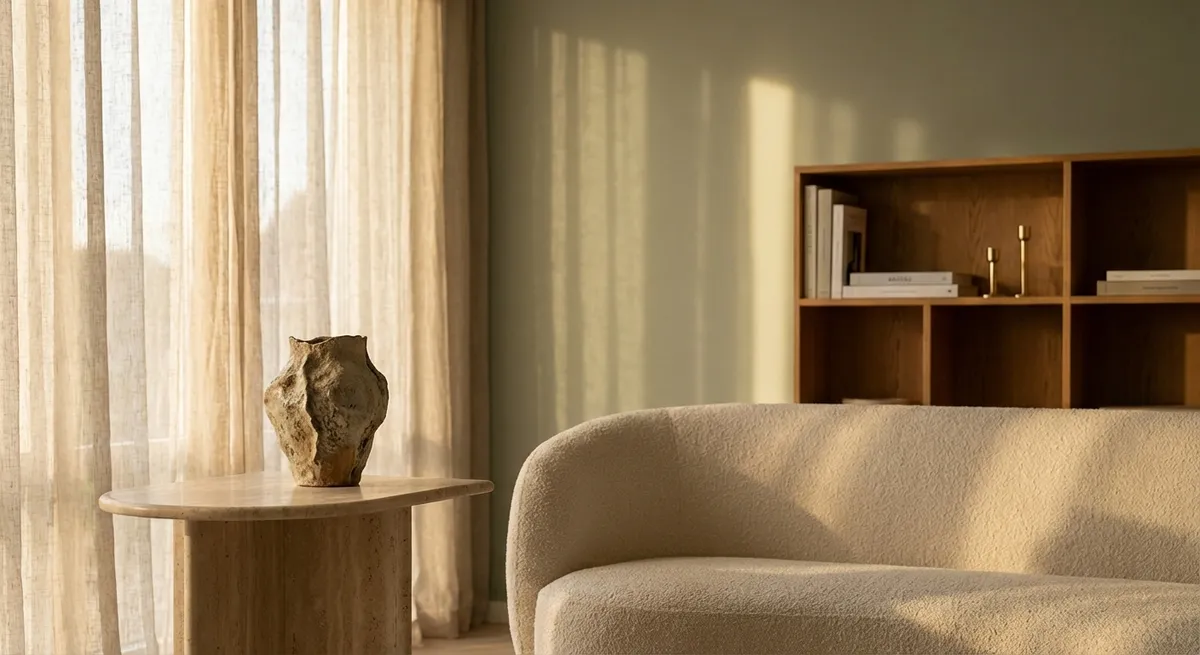
Renovation decisions are increasingly driven by hand feel—limewashed walls with a soft, velvety drag; honed stones that are gently cool rather than glossy; leathers that patinate rather than remain pristine; boucle, wool, and textural weaves that absorb sound and soften the room. Floors shift subtly underfoot from wide‑plank oak to natural fiber rugs to smooth stone thresholds. Cabinet pulls are chosen as much for their ergonomics as for their aesthetics.
To bring radical comfort into your renovation, begin with the surfaces you interact with most: stair handrails, countertop edges, faucet levers, door handles, and flooring. Opt for rounded profiles that invite contact, matte finishes that feel warm, and natural materials that age with dignity. Align the tactile story across rooms so there is a quiet cohesion in how the house feels from space to space. Luxury, in this lens, becomes the absence of sharpness—visual or physical.
3. Soft Zoning: Architectural Boundaries Without Hard Walls
The era of the fully open floor plan is quietly giving way to something more nuanced: soft zoning. Homeowners want sightlines and light, but also acoustic privacy and psychological separation between work, rest, and gathering. The solution lies in defining zones without defaulting to full-height walls.
In a renovation, this might mean using steel-framed glass partitions that allow light to flow while gently containing noise, or full‑height drapery that can be drawn to create intimacy around a seating area. Changes in ceiling height, floor material, or lighting intensity can also delineate zones: a slightly lowered ceiling above the dining area with a focused pendant, or a transition from timber to stone to signal the move from kitchen prep to casual lounging.
Thoughtful millwork is another powerful zoning tool. A double‑sided bookcase can separate a study nook from a living area; a sculpted slatted screen can frame an entryway without enclosing it. When planning your renovation, map your days—where you work, decompress, host, and retreat. Then ask your designer to articulate those behaviors in space using planes, light, and texture rather than simply more walls. The resulting home feels both open and curated, with a sense of sequence rather than a single undifferentiated volume.
4. The Curated Utility Aesthetic: Elevating the Everyday Workspaces
One of the most notable shifts among discerning homeowners is the elevation of utility spaces—laundries, pantries, mudrooms, and back kitchens—into highly designed environments. These are no longer purely functional back-of-house zones; they are beautifully resolved, workflow‑driven spaces that quietly support a polished life.
In renovation terms, this might mean a scullery with the same stone and hardware as the main kitchen, concealed behind a pocket door; a laundry with integrated sorting drawers, built‑in drying racks, and warm, flattering lighting; or a mudroom that operates like a private anteroom, with dedicated compartments for each family member, a charging shelf, and seating designed for daily use. The visual language of these spaces is calm and consistent with the main house, avoiding the jarring transition from “front” to “back.”
To integrate this trend, treat utility areas as you would a boutique hotel’s service spaces—designed for impeccable function, but never visually neglected. Prioritize durable yet elegant finishes: porcelain that mimics stone without the maintenance, unlacquered brass or stainless hardware, cabinetry interiors finished as thoughtfully as the exteriors. During planning, lay out actual tasks: where packages land, how laundry moves through the house, how you entertain. Then build a discreet but beautiful infrastructure around those rituals. The refinement of your daily routines will be felt everywhere else.
5. Light as Architecture: Sculpting Mood With Layered Illumination
Beyond fixtures and style, the most forward‑thinking renovations treat light itself as a primary building material. Rather than a grid of downlights, sophisticated homes now rely on layered illumination—ambient, task, accent, and decorative—calibrated to create distinct moods throughout the day.
In practice, this starts with natural light: enlarging or repositioning windows, using interior windows or cutouts to borrow light from brighter spaces, and specifying high‑performance glazing appropriate to orientation. Artificial light is then layered strategically. Cove lighting can wash ceilings with a soft glow, making rooms feel taller and calmer. Wall grazers can reveal the texture of plaster or stone. Integrated LED strips under floating vanities or step treads add a subtle, hotel‑like sophistication.
During your renovation, insist on a dedicated lighting plan—this is where many otherwise luxurious projects fall short. Define scenes for morning, work, dining, and late evening, and ensure your controls are intuitive rather than overwhelming. Aim for warm, dimmable light in restorative areas and more neutral light in task zones like the kitchen. The result is a home that changes character gracefully over the course of the day, supporting both focus and repose without ever feeling harsh.
Conclusion
The most enduring renovations are not those that chase trends, but those that interpret them through a lens of longevity, calm, and personal ritual.
By prioritizing invisible technology over visible gadgetry, tactility over surface sheen, soft zoning over hard division, elevated utility over neglected back-of-house, and sculpted light over flat illumination, you create a home that feels considered in every dimension.
For the discerning homeowner, renovation is no longer simply an exercise in improvement; it is the quiet, precise crafting of a daily experience—one that will remain relevant, reassuring, and effortlessly refined for years to come.
Sources
- Harvard Joint Center for Housing Studies – Remodeling Futures Program – Data and insights on renovation patterns and homeowner preferences
- American Institute of Architects (AIA) – Home Design Trends Survey – Professional perspectives on evolving residential design trends
- Lighting Research Center – Residential Lighting – Research-based guidance on layered lighting and its impact on comfort and function
- U.S. Department of Energy – Energy Saver: Windows, Doors and Skylights – Technical considerations for natural light, glazing, and energy-efficient openings
- Gensler Research Institute – Residential Design Insights – Thought leadership on how people live, work, and inhabit space, including high-end residential environments
Key Takeaway
The most important thing to remember from this article is that this information can change how you think about Design Trends.