Renovating today is less about spectacle and more about precision—quiet, intelligent moves that alter how a home feels, functions, and endures. For discerning homeowners, the question is no longer “What’s in?” but “What will still feel right in a decade?” The most compelling design trends now operate below the surface: they orchestrate light, silence, texture, and technology into a home that feels both current and enduringly composed.
Below are five exclusive, forward-leaning insights for homeowners who expect their renovation to live beautifully—not just look the part.
Insight 1: Light as a Material, Not a Utility
In elevated renovations, daylight is treated with the same intentionality as stone, timber, or fabric. Instead of simply “adding more windows,” the focus shifts to sculpting light.
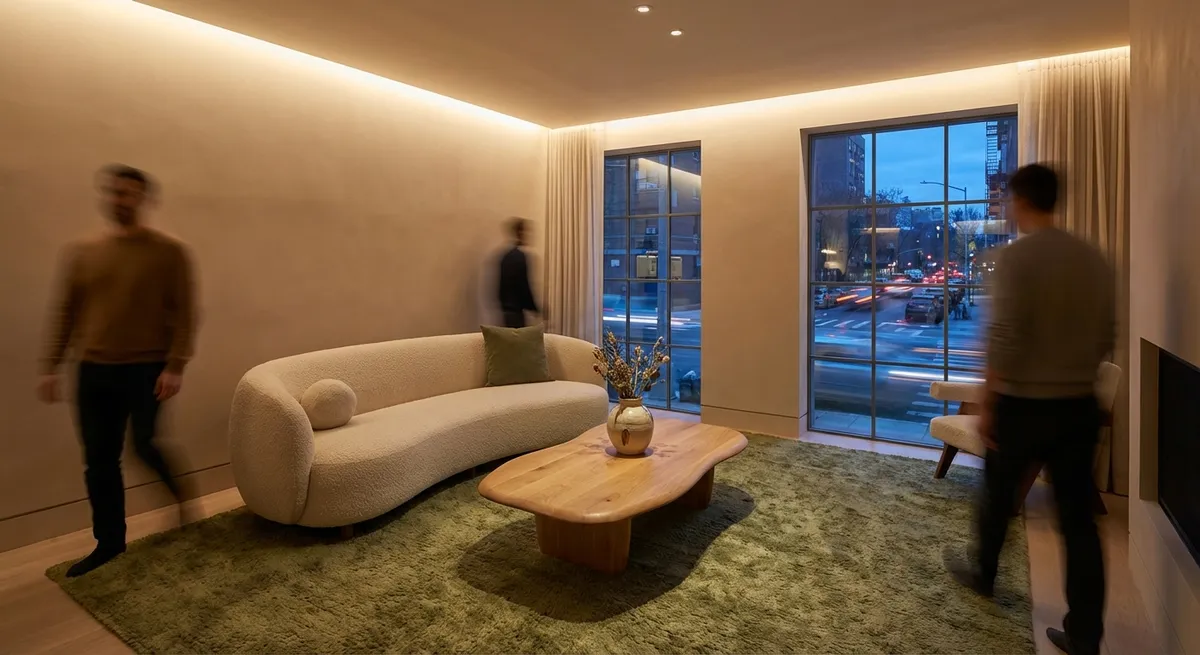
Narrow, carefully placed aperture windows at eye level can wash walls in soft glow without compromising privacy. Deep window jambs and reveals create shadows that add architectural depth. Light shelves and matte finishes help bounce daylight deeper into a floor plan, reducing glare and dependence on artificial lighting. Strategic pairing of low-iron glass with sheer layered treatments maintains clarity while diffusing harshness.
Renovators who work with a lighting designer early—well before finishes are chosen—gain a profound advantage. The ceiling plan, outlet locations, and wall thicknesses can all support an orchestrated hierarchy of light: ambient, task, and accent. The result is a home where light shifts gently throughout the day, subtly flattering materials, skin tone, and mood alike.
Insight 2: Acoustics as the New Luxury
Sound quality—what you don’t hear—has quietly become a defining feature of premium homes. In dense urban neighborhoods and open-plan interiors, refined acoustics are no longer an afterthought; they are a design driver.
Instead of relying solely on soft furnishings to tame echo, sophisticated renovations integrate acoustic performance into the building’s bones. Double-stud or resilient-channel walls between bedrooms and living areas, sound-insulated plumbing stacks, and solid-core doors with proper seals create a cocooned calm.
Ceilings can conceal acoustic panels wrapped in plaster or fabric, while fluted timber, ribbed plaster, and micro-perforated surfaces offer decorative texture that doubles as sound control. Even layout decisions—locating bedrooms away from mechanical rooms, or buffering a home office with closets or powder rooms—quietly elevate the experience.
The impression this creates is subtle but unmistakable: doors close with a refined thud, conversations stay contained, and the home feels composed rather than noisy, no matter how many people are inside.
Insight 3: Layered Minimalism, Not Stark Simplicity
Minimalism has matured. The new expression is not about austerity but about editing—layered, nuanced minimalism that feels rich rather than empty.
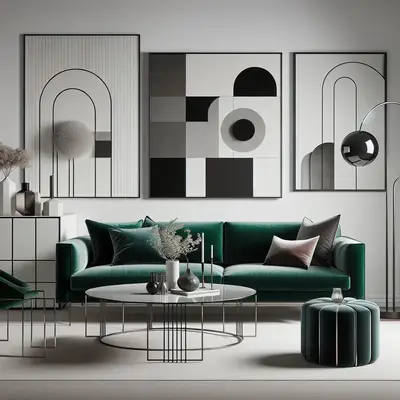
This approach relies on a restrained color palette but leans heavily into texture and proportion. Instead of multiple competing finishes, a renovation might limit itself to two or three materials, explored in various forms: honed and leathered stone in the same species; smooth and combed plaster finishes; rift-sawn oak in both wide planks and narrow slats. The discipline lies in continuity, not abundance.
Cabinetry can be integrated with shadow lines instead of exposed trim, appliances can sit flush and panel-ready, and hardware is chosen more for tactility and timeless form than for Instagram drama. The visual calm this produces allows a few well-chosen pieces—a sculptural dining table, an heirloom rug, a vintage armchair—to carry the aesthetic weight.
For homeowners, the advantage is longevity. A quietly layered, edited interior weathers trend cycles gracefully. You gain the freedom to refresh textiles and art while the architectural envelope remains elegantly relevant.
Insight 4: Invisible Technology with Architectural Intelligence
Technology is no longer impressive because it is visible; it’s impressive because it disappears. High-end renovations are now judged on how seamlessly they absorb smart systems into the architectural fabric.
Rather than mounting a forest of switches and screens, premium homes centralize controls: a discreet panel in a hallway niche, voice-activated commands, or an understated app interface. Charging drawers in entry consoles and kitchens eliminate cable clutter. Wi-Fi, audio, and security hardware are pre-planned so that devices sit behind millwork, within ceiling recesses, or integrated into light fixtures.
Crucially, the electrical and low-voltage infrastructure is designed with future upgrades in mind. Generous conduits, accessible junction points, and well-documented wiring diagrams ensure the home can adapt as systems evolve. The aesthetic remains calm, cable-free, and ordered; the intelligence of the home is felt in its responsiveness, not flaunted on its walls.
For homeowners, the return is twofold: a home that feels both more serene and more capable, without the visual noise of visible tech.
Insight 5: Purposeful Flex Rooms Instead of Rigid Labels
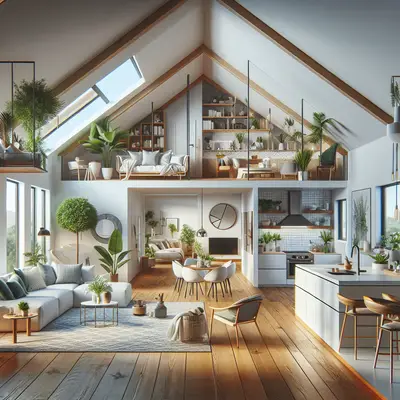
The most sophisticated renovations now design spaces for roles, not single-use labels. A room that is locked into being “the home office” or “the guest bedroom” can quickly feel underutilized; a space planned for adaptability can elegantly shift as life does.
Thoughtful details make this possible. Wall-to-wall, built-in storage with integrated power can serve as a refined office backdrop, an entertaining bar, or a craft station depending on how the doors are opened and what’s placed within. A freestanding table with concealed cable routing functions as a desk by day, a console or serving surface by night. Daybeds with trundle or wall beds concealed in clean-lined cabinetry enable a library or studio to pivot into a polished guest suite without shouting “multipurpose.”
Acoustic consideration—solid doors, appropriate seals, and window treatments—allows a room to serve as a private call space, a reading room, or a quiet retreat. Carefully planned lighting, with multiple scenes built into a single room, supports this shape-shifting: work-bright, ambient-soft, or guest-ready at a button press.
For homeowners, this approach preserves real estate value and aesthetic clarity. The home reads as cohesive and intentional, even as individual spaces quietly adjust to hosting, working, retreating, or aging in place.
Conclusion
The most compelling design trends in renovation today are not about making louder statements; they’re about refining the fundamentals of how a home behaves. Light is shaped, not just supplied. Sound is softened, not ignored. Minimalism is layered, not stark. Technology is invisible, not intrusive. Spaces are adaptable, not rigid.
For those planning a renovation with a long horizon, these subtle but powerful shifts offer a clear directive: invest in what you feel every day, even when no one is looking. That is where true, enduring luxury lives.
Sources
- U.S. Department of Energy – Daylighting in Buildings – Overview of daylighting strategies and their impact on comfort and efficiency
- Harvard Graduate School of Design – The Acoustic Performance of Architecture (search: “acoustic performance of architecture”) – Research and thought leadership on sound as a design element
- American Society of Interior Designers (ASID) – 2024 Trends Outlook – Professional insights on emerging design priorities, including wellness and technology integration
- National Institute of Building Sciences – Whole Building Design Guide – Guidance on integrated design, systems planning, and future-ready infrastructure
- MIT School of Architecture + Planning (search: “flexible space design”) – Academic perspectives on flexibility, adaptive reuse, and multi-functional interior planning
Key Takeaway
The most important thing to remember from this article is that this information can change how you think about Design Trends.