Renovation, at its most considered, is less about transformation and more about calibration. The most compelling homes today are not chasing spectacle; they are orchestrating nuance—quiet shifts in proportion, light, material, and sequence that make a space feel inevitable rather than merely impressive. For homeowners planning a renovation, the true luxury lies in discerning which design currents will endure, and how to translate them into an interior that feels both timely and timeless.
Below are five exclusive, forward-leaning insights shaping sophisticated renovations now—each less a “trend” than a long-view strategy for a home with enduring poise.
1. From Open Plan to Edited Flow: The Return of the Room
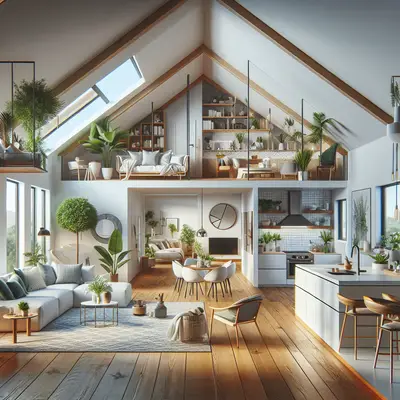
For more than a decade, the open-plan layout has reigned as the default renovation brief. Today, the most refined homes are editing that openness into a more deliberate, choreographed flow.
Rather than rigidly subdividing space, designers are using partial separations—wide portals, framed thresholds, pocket doors, and glazed partitions—to create a sequence of atmospheres. Kitchens gain a measure of privacy from the living area without losing visual connectivity; studies slip behind fluted glass doors; dining zones are defined by shifts in ceiling height, flooring pattern, or millwork.
For the renovator, this “edited flow” offers three advantages: acoustic control (critical in busy households), visual composure (fewer sightline distractions), and emotional zoning (spaces can feel calm, convivial, or cocooned by design). Thoughtful circulation becomes a design instrument: you don’t just move through the house; the house guides your state of mind room by room.
Strategic takeaway: In planning, sketch your home not as a single field but as a sequence of experiences—entrance, arrival, unwind, gather, retreat. Use thresholds, changes in material, and lighting shifts to articulate those transitions without resorting to heavy walls.
2. Material Integrity Over Ornament: The Quiet Power of Authentic Surfaces
The most persuasive luxury is no longer expressed through ornamentation but through material integrity. Instead of elaborate detailing, high-end renovations are investing in fewer, better surfaces executed with precision.
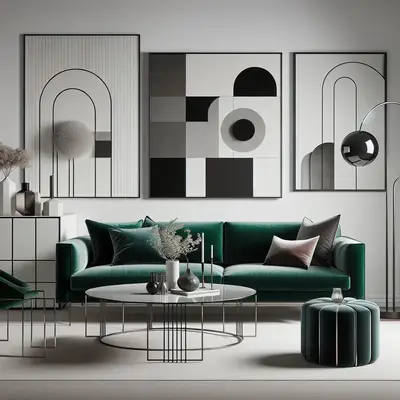
Honest materials—limewash, solid timber, honed stone, natural wool, unlacquered metal—age visibly and well, offering a patina that aligns with a broader movement toward “lived-in refinement.” The emphasis is on tactility and temperature: how a stone edge feels when your hand rests on it, the softness of a rug underfoot, the subtle gloss of hand-finished plaster catching oblique light.
This shift demands discernment in specifying alternatives. A porcelain tile that convincingly references stone may be preferable in a high-traffic bath, while a real marble with pronounced veining becomes a focal point in a powder room used less frequently. Similarly, engineered wood with a properly thick wear layer can deliver the warmth of timber with stability in kitchens or basements.
Strategic takeaway: Choose a restrained material palette—three to five key finishes repeated intelligently across the home. Prioritize quality where your hands and eyes interact most often: door hardware, countertop edges, stair rails, tapware, and the materials immediately around seating and sleeping areas.
3. Light as Architecture: Layered Illumination Beyond Fixtures
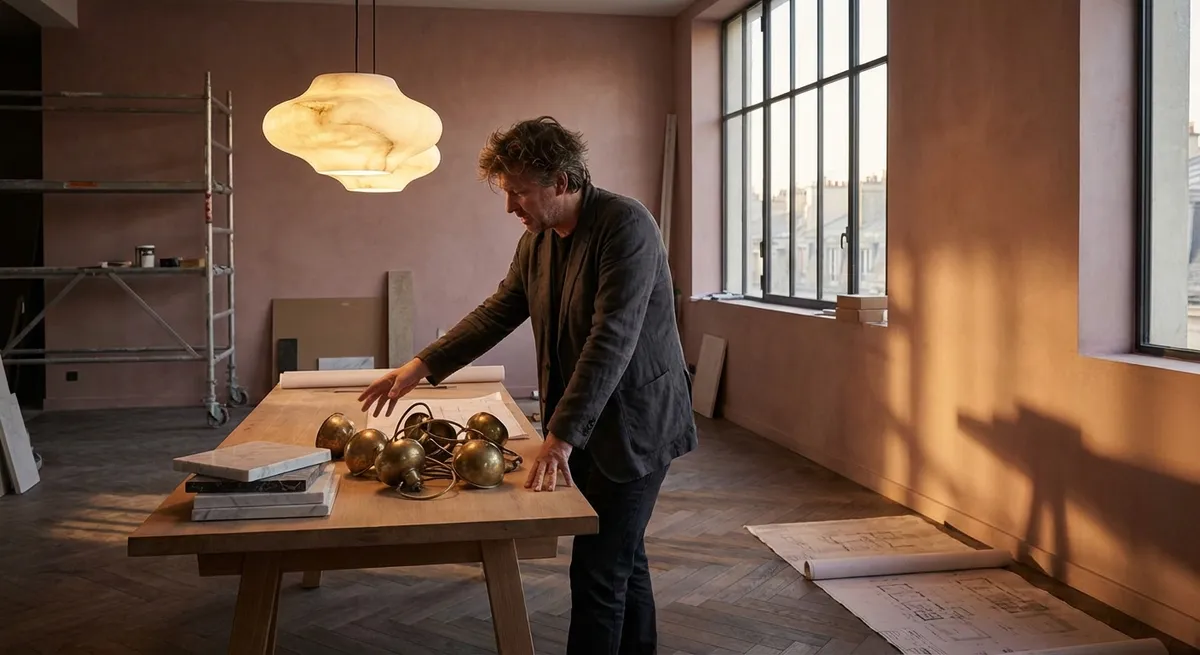
In sophisticated renovations, lighting is no longer an afterthought or simple shopping list of fixtures; it is treated as a form of architecture in its own right. The most successful spaces orchestrate illumination in layers—ambient, task, accent, and decorative—while deliberately working with natural light.
Daylight is shaped through considered window proportions, deep reveals, and the strategic placement of openings to capture low morning light, dappled garden reflections, or long evening glows. Internally, designers are moving away from grids of recessed downlights toward concealed linear lighting, wall washers, floor lamps, and sculptural pendants that define zones without flooding every surface with uniform brightness.
The result is a home that shifts character across the day. A kitchen island might be functionally lit for cooking, then rely on softer pendants and nearby wall sconces for intimate evening dining. Corridors gain serenity with low-level lighting at skirting height. Bathrooms move closer to spa-like ambiance using perimeter light, rather than solely overhead fixtures.
Strategic takeaway: When planning, draft a lighting narrative rather than merely a circuit diagram: Which activities occur here? At what time of day? What mood should the light create? Aim for at least three distinct lighting types in any primary room, and coordinate color temperature (warm versus cool) across the home for coherence.
4. Concealed Capability: Technology That Disappears into the Architecture
As homes quietly become more intelligent, the premium renovation strategy is to integrate technology so seamlessly that its presence is felt but rarely seen. The aim is not a living room dominated by screens and touch panels, but an environment that responds effortlessly while maintaining visual calm.
This approach extends from the obvious—concealed speakers, motorized shades, and flush-integrated appliances—to more subtle interventions: in-wall charging niches hidden in joinery, ventilation integrated into shadow gaps rather than exposed grilles, and smart thermostats or sensors recessed into trim lines. Even security hardware is being disguised within architectural details to preserve the purity of door and window profiles.
The key is consolidating control. Instead of a tangle of apps and switches, curated smart systems orchestrate climate, lighting, shading, and in some cases, water use and energy load. This not only elevates everyday comfort but positions the home to adapt to future efficiency standards and grid demands.
Strategic takeaway: During the early planning stages, treat technology as a design discipline alongside architecture and interiors. Map out where screens are truly needed, where infrastructure (conduit, wiring, data) must be future-proofed, and which devices can be hidden within cabinetry, ceiling recesses, or trim. The ultimate compliment to well-integrated tech is that guests assume the home is simply “well designed,” not “heavily gadgeted.”
5. The Curated Core: Designing for Fewer, More Meaningful Possessions
An emerging current in sophisticated residential design is the “curated core”—a deliberate focus on designing the home around a smaller number of truly meaningful objects and rituals. Instead of planning storage as a defensive measure against clutter, high-level renovations begin with a clear understanding of what deserves prominence and what should quietly recede.
This might mean a living room organized around an art piece, a piano, or a singular heirloom cabinet—supported by integrated, closed storage for everything else. Kitchens are tailored to the homeowner’s actual patterns: a dedicated tea or coffee station with bespoke drawers; a bar concealed behind pocket doors that opens only for entertaining; a larder niche designed around specific servingware.
The result is a home that feels both edited and deeply personal. Each visible element has been chosen, not defaulted. Even everyday items—books, ceramics, textiles—are given appropriate setting through considered shelving, lighting, and background materials that allow them to breathe visually.
Strategic takeaway: Before finalizing plans, conduct a “possession audit.” Identify 10–15 objects, collections, or daily rituals that genuinely matter. Work with your designer to create architectural support for those—niches, built-ins, display ledges, alcoves, or custom storage—so that the home reads as curated rather than merely organized.
Conclusion
Refined renovation is rarely about the loudest gesture; it is about the most disciplined one. The enduring homes emerging today share a quiet confidence: rooms that flow with intention, materials chosen for their honesty and longevity, light that is orchestrated rather than simply switched on, technology that enhances without shouting, and possessions elevated from background noise to curated narrative.
For the homeowner planning a renovation, these design currents offer more than inspiration—they provide a strategic lens. By privileging integrity over excess, and experience over spectacle, you create a home that not only photographs well today, but continues to feel precisely right a decade from now.
Sources
- Harvard Joint Center for Housing Studies – Remodeling Futures Program – Research and reports on long-term renovation and remodeling trends
- American Institute of Architects (AIA) – Home Design Trends Survey – Professional insights into shifts in residential layouts, technologies, and materials
- U.S. Department of Energy – Residential Lighting – Guidance on efficient, layered lighting strategies and technologies
- National Association of Home Builders – Design Trends – Data-driven overviews of consumer preferences and evolving home design directions
- Royal Institute of British Architects (RIBA) – House Design Resources – Architectural perspectives on contemporary housing, spatial planning, and material use
Key Takeaway
The most important thing to remember from this article is that this information can change how you think about Design Trends.