Renovations that truly endure rarely shout; they resonate. The most compelling homes are not assembled from trending fragments but composed with a quiet, deliberate intelligence that feels current today and timeless ten years from now. For homeowners ready to renovate with intention, the opportunity is not simply to “update” a space, but to author a visual language that feels both personal and enduringly relevant.
This is where design trends become less about what’s popular this year and more about how sophisticated homes are being thought through. The following insights move beyond surface aesthetics and into the deeper strategies that discerning renovators are using to create spaces of lasting, cultivated distinction.
1. From Open Concept to Edited Flow: The Return of Deliberate Rooms
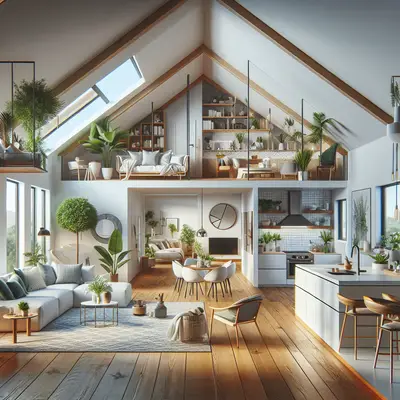
For years, the open-concept floor plan was treated as an unquestioned ideal. Today, the most refined homes are pivoting toward something far more nuanced: edited openness, where spaces relate to each other but do not dissolve into one another.
Rather than one continuous expanse of kitchen–dining–living, curated renovations are introducing partial separations, threshold moments, and subtle zoning. Think glass or steel-framed interior partitions that borrow light while preserving acoustic calm; cased openings instead of bare pass-throughs; a lowered ceiling or change in flooring to define a conversation area without erecting full walls.
This shift reflects a broader lifestyle reality. Hybrid work, overlapping schedules, and the need for both connection and retreat are driving the move toward rooms that can host multiple functions without visual chaos. Homeowners are requesting library nooks with pocket doors, semi-enclosed lounges adjacent to open living spaces, and kitchens that can be visually “quieted” when not in use.
The elegance lies in transitions: thoughtfully framed doorways, sightlines that align to a focal point (a garden view, a fireplace, a curated art wall), and circulation paths that feel almost choreographed. The result is a home that feels open, yet composed—social, yet serene.
2. Material Hierarchies: Designing with One Hero and Supporting Cast
In sophisticated renovations, restraint is the new luxury. Rather than layering competing materials, discerning homeowners are using a material hierarchy: one dominant “hero” material, paired with a small, controlled ensemble of supporting finishes.
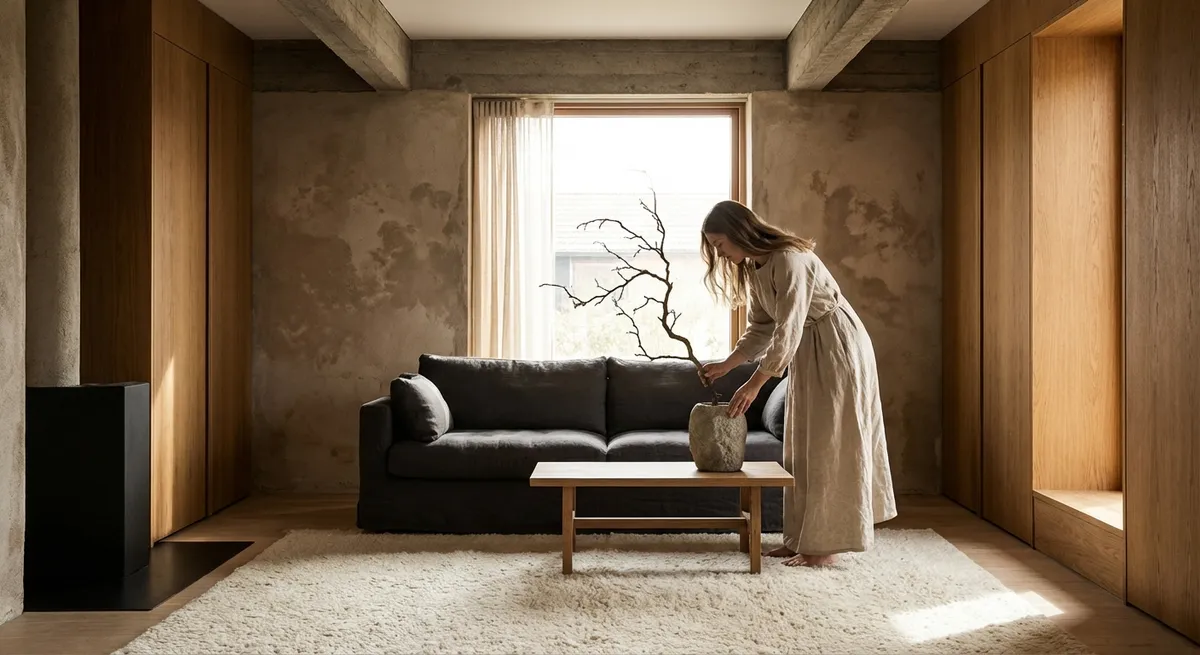
A hero material might be a deeply veined marble, a beautifully grained oak, a hand-troweled plaster, or a honed limestone. It appears in repeated, intentional moments—perhaps as a fireplace surround, a kitchen backsplash, and a bathroom vanity top—creating a sense of visual continuity throughout the home.
Supporting finishes then step back, often in quieter, matte textures and tonal palettes. A subtle microcement floor, painted millwork in a softened neutral, or minimally grained porcelain can frame the hero material without competing for attention. Metals are treated similarly: one dominant metal finish (burnished brass, bronzed nickel, or blackened steel) with perhaps a single complementary accent used sparingly.
This approach has two powerful advantages. First, it keeps spaces from feeling visually noisy, even when the architecture is complex. Second, it minimizes the risk of “trend fatigue,” because the home is not built from a collage of short-lived finishes. Instead, it creates a cohesive, elevated narrative that looks deliberate from the front entry to the most private bedroom.
3. Light as a Design Medium: Layering Illumination, Not Just Fixtures
In premium renovations, light is no longer treated as a practical afterthought; it is a primary design material. The most sophisticated homes are not merely adding expensive fixtures—they are orchestrating layers of light so that the same room can feel bright and functional at noon, atmospheric at dusk, and quietly intimate late at night.
This begins with understanding three layers: ambient, task, and accent lighting. Ambient light sets the overall mood and should be diffuse and forgiving—cove lighting, recessed fixtures placed thoughtfully (not on a strict grid), or surface-mounted fixtures with softened output rather than harsh spots. Task lighting is specific and precise: under-cabinet lights in the kitchen, adjustable reading lights at the bed, directional lighting over a desk or vanity.
Accent lighting is where sophistication becomes palpable. A single art light over a favorite piece, a floor-washer grazing a textured wall, a slim LED strip recessed into a stair tread, or a concealed fixture that washes a plaster fireplace in soft light—these moves introduce depth and shadow, creating architectural drama without visual clutter.
The most forward-thinking renovators are also integrating daylight with equal care. Window placements that frame and filter light, not merely maximize it; layered window treatments that can modulate glare while preserving views; and, where feasible, strategic skylights or light wells that introduce indirect, north-facing light for consistency. When illumination is treated as a designed experience, not a utility, even modest rooms feel unexpectedly elevated.
4. The New Quiet Luxury: Performance-Driven Comfort Disguised as Minimalism
“Quiet luxury” has become a popular phrase, but in renovation, it now has a deeper meaning: comfort and performance embedded so seamlessly that they nearly disappear. The most refined homes feel calm not just because they are visually elegant, but because everything simply works—silently and dependably.
Acoustic design is a prime example. Double or triple-glazed windows, insulated interior walls around bedrooms and offices, soft surfaces balanced with harder ones, and even acoustically aware ceiling choices all contribute to a palpable sense of calm. HVAC systems are chosen not only for efficiency but for low noise and even distribution. Radiant floor heating in bathrooms or living areas eliminates the need for obtrusive vents and creates a sense of enveloping comfort.
Storage, too, becomes a hidden asset. Full-height millwork that blends seamlessly with walls, integrated appliance panels, and carefully considered “drop zones” for daily life (keys, bags, laptops, mail) keep clutter out of sight. The kitchen looks minimal because it can be—every item has a place, and the layout anticipates real habits rather than idealized ones.
This is the new luxury: not the spectacle of excess, but the ease of a home that anticipates and absorbs daily life. It’s the feeling of walking into a room and noticing, first and foremost, how calm it feels—not which brand of fixture was installed.
5. Personal Archetypes: Designing for How You Live, Not How Others Post
The most exclusive insight in today’s renovation landscape is also the most personal: the most cultivated homes are designed around individual archetypes of living, not generalized lifestyle imagery. Instead of chasing “the look” of a trending interior, sophisticated renovators are beginning with a simple question: how do you actually move through a day?
For some, the home revolves around a ritualized kitchen—coffee at a particular corner, a favorite view while cooking, a banquette where work and conversation overlap. For others, the day is anchored by an evening retreat: a bedroom suite with layered lighting, sound control, and a bath that’s less “spa aesthetic” and more “restorative refuge.”
Renovations at this level of intention often include unpublicized luxuries: a hidden utility sink near the dining room for florals and glassware, a dedicated linen-press cabinet outside bedrooms, a discreet space for luggage, a mudroom configured for actual sports gear rather than styled baskets. These are not “Instagram moments”; they are the quiet infrastructure of a life well lived.
Even aesthetic decisions benefit from this archetype-first thinking. A home for avid entertainers may prioritize generous circulation around a dining area and a bar that’s beautiful open or closed. A home for readers and writers may invest in acoustical serenity, controlled light, and tactile comfort over grand gestures. When design is shaped around real patterns rather than external validation, the result is a home that feels uncannily right—effortless, but only because it has been deeply thought through.
Conclusion
Design trends, at their most sophisticated level, are less about what is “in” and more about how the most considered homes are being conceived. The movement away from indiscriminate openness toward intentional flow, from decorative variety toward material hierarchy, from mere lighting fixtures toward orchestrated illumination, from visible luxury toward silent performance, and from generic inspiration toward personal archetypes signals an evolution in how high-level renovations are planned.
For homeowners preparing to renovate, the opportunity is to participate in this evolution with clarity. Not by replicating images, but by commissioning spaces that will age gracefully, function intelligently, and feel quietly exceptional every single day. In that sense, the most powerful trend is not a look at all—it is the decision to design with enduring intent.
Sources
- Harvard Joint Center for Housing Studies – Improving America’s Housing - Data and analysis on remodeling trends and homeowner behavior, useful for understanding broader renovation patterns.
- American Institute of Architects (AIA) – Home Design Trends Survey - Professional insights into evolving residential design priorities, including layouts, materials, and lifestyle-driven spaces.
- U.S. Department of Energy – Energy Saver: Home Lighting - Technical guidance on efficient lighting, layering strategies, and performance considerations for residential spaces.
- Rocky Mountain Institute – Residential Energy and Comfort - Research and resources on building performance, comfort, and quiet systems that underpin “invisible” luxury in homes.
- MIT School of Architecture + Planning – Research on Urban and Residential Space - Academic perspectives on how people interact with space, informing more intentional layouts and flow in residential design.
Key Takeaway
The most important thing to remember from this article is that this information can change how you think about Design Trends.