What distinguishes a merely renovated home from a truly cultivated one is rarely obvious at first glance. It lives in the way light is managed, how materials age, how rooms speak to each other over time. For homeowners planning a renovation, the most enduring decisions are often the quietest—and the most strategic.
This exploration decodes five emerging, under-the-radar design currents that are reshaping refined homes today. Each is less about following a trend and more about building a long-term aesthetic and functional advantage into your space.
Insight 1: The Shift from Open Plan to “Layered Connectivity”
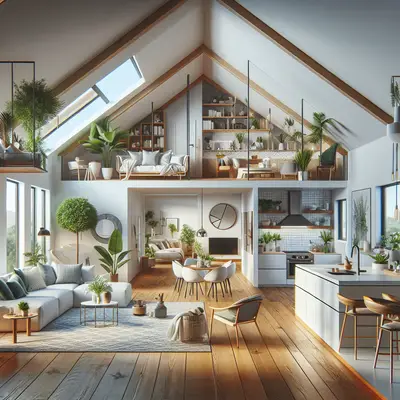
For years, “open concept” ruled renovation briefs; today, the more discerning direction is layered connectivity—a sequence of spaces that feel visually linked yet purposefully distinct. This approach moves beyond knocking down walls for the sake of openness and instead curates vistas, thresholds, and partial separations to create rhythm and intimacy.
Layered connectivity might mean swapping full walls for framed openings, internal glass partitions, or half-height dividers that preserve sightlines while improving acoustics and privacy. It may be expressed through aligned doorways that draw the eye through a series of rooms, or through subtle level changes that demarcate zones without visual clutter. The result is a home where conversation, work, and retreat can coexist without compromise.
For renovators, the strategic question becomes: which moments should feel expansive, and which should feel cocooned? Designing for layered connectivity allows you to choreograph movement—how someone enters, where they pause, what they see first, and how each space unfolds. Done well, it yields a more gracious experience than a single, undifferentiated open space.
Insight 2: Material Stories That Age Gracefully, Not Perfectly
A growing number of sophisticated homeowners are rejecting surfaces that demand perfection in favor of materials that develop character over time. This is not about rusticity; it is about embracing patina as an aesthetic and ethical choice—valuing durability, repairability, and authenticity over glossy, short-lived finishes.
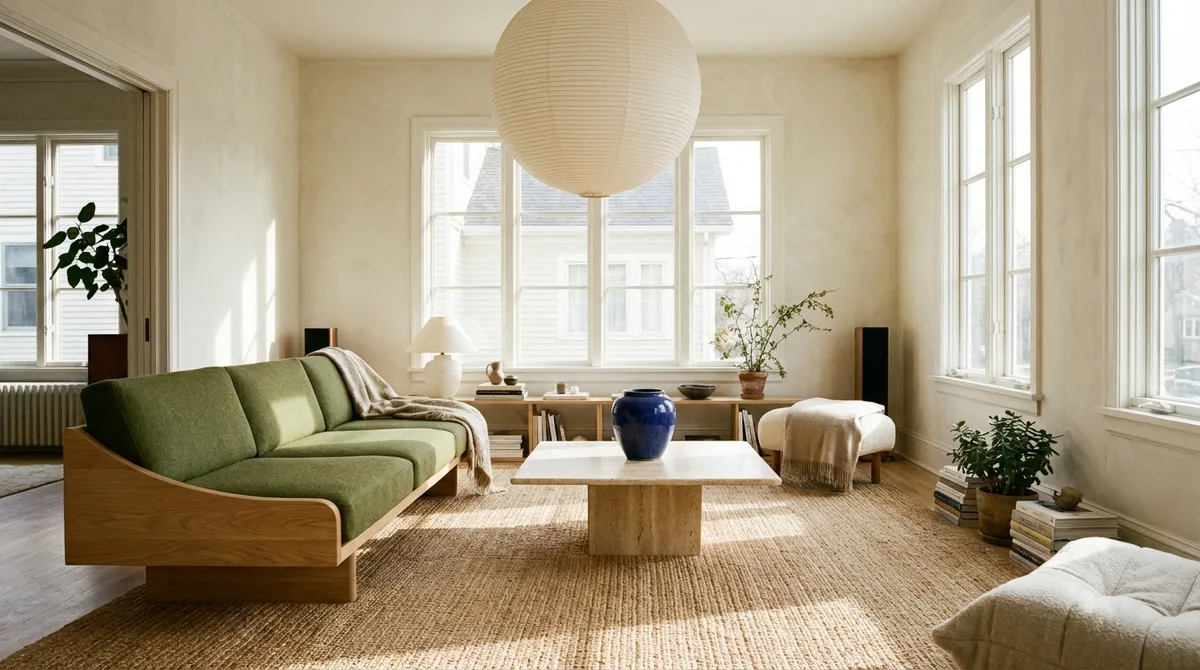
Limewash and mineral paints, honed stone instead of highly polished, brushed metals such as unlacquered brass or bronze, and natural woods with visible grain all participate in this story. They mark gently, soften with use, and reflect a lived-in elegance rather than a showroom sheen. In kitchens and baths, this might mean choosing a dense, honed stone that can be maintained rather than an ultra-delicate polished marble that insists on anxiety.
From a renovation strategy standpoint, the key is to decide where you welcome patina and where you require near-immaculate performance. High-contact areas—kitchen counters, handrails, door hardware—benefit from materials that can be renewed or that look better with age. More static elements—ceilings, built-in joinery, stone surrounds—can anchor the home with lasting solidity. Over a decade, the home feels like it has matured, not declined.
Insight 3: Light as Architecture, Not Afterthought
In elevated renovations, lighting is no longer treated as merely decorative; it is treated as architecture. Thoughtful lighting design shapes volume, defines function, and subtly signals the quality of a home long before one notices the fixtures themselves.
Rather than relying on a grid of recessed downlights, sophisticated schemes layer ambient, task, and accent lighting with intention. Cove lighting softens ceiling lines; wall washing reveals texture in plaster or stone; low-level floor or step lighting guides movement, particularly in circulation zones. Decorative fixtures—pendants, sconces, sculptural chandeliers—then become carefully placed punctuation, not the entire narrative.
Planning this properly requires decisions early in the renovation process: where will art hang, where will you read, where do you want softness versus clarity? Integrating dimmable, warm-color-temperature LED systems, and considering daylight control through sheers, operable shading, and reflective surfaces, creates a home that modulates effortlessly from morning brightness to evening calm. The lighting plan becomes an invisible form of luxury: everything simply feels right at every time of day.
Insight 4: Integrated Storage as Invisible Luxury
In refined homes, storage is emerging as one of the most telling indicators of design intelligence. The most luxurious spaces are not those that display everything, but those that allow clutter, appliances, and everyday necessities to disappear into calm, well-planned volumes.
This goes far beyond adding more closets. It is about designing storage as a seamless architectural layer—concealed pantry doors aligned with wall paneling, media units that vanish behind sliding wall planes, utility spaces that are acoustically insulated and visually hidden yet immediately accessible. In kitchens, appliance garages, integrated refrigeration, and fully lined drawers with tailored inserts turn daily routines into smooth, nearly invisible rituals.
For homeowners, the strategic move is to map the realities of life with granular honesty: where do shoes accumulate, where do packages land, what always sits on the kitchen counter? Then, work with your designer or architect to build storage solutions that respond precisely to those behaviors. When the renovation is complete, guests may never notice the discipline of your storage—but they will feel the serenity it creates.
Insight 5: Quiet Technology and the “Discreetly Smart” Home
The next wave of smart homes is not louder or more gadget-heavy; it is quieter and more discreet. The cultivated approach to technology weaves climate control, shading, sound, security, and lighting into the background, prioritizing reliability and subtlety over spectacle.
In practice, this could mean concealed speakers within joinery, centralized AV systems that eliminate visible cables, thermostats and sensors that recede visually, and window treatments that motorize silently and align perfectly. Thoughtfully chosen smart switches and keypads can replace visual clutter from banks of switches, while robust networking infrastructure ensures that connected features simply work, without drama.
For renovators, the crucial decision is to define where technology genuinely enhances daily life and where it risks becoming intrusive or quickly obsolete. Investing in high-quality wiring, structured cabling, and flexible control systems during renovation creates a resilient backbone that can accept new devices over time. The aim is a home that feels calm, intuitive, and future-ready—never like a showroom for disposable gadgets.
Conclusion
The most compelling design trends for cultivated homeowners are not about this year’s color or a must-have piece of furniture. They are about deeper currents: how spaces relate to one another, how materials age, how light behaves, how daily life is quietly supported and refined.
By embracing layered connectivity, materials that mature with grace, architectural lighting, invisible storage, and discreetly integrated technology, your renovation can move beyond surface-level upgrades. It becomes a long-view investment in how your home will feel, function, and evolve over years—not seasons.
Sources
- American Institute of Architects (AIA) – Home Design Trends Survey – Professional insights into evolving residential design priorities and client preferences
- Harvard Joint Center for Housing Studies – Improving America’s Housing – Research on renovation trends, spending patterns, and homeowner behavior
- U.S. Department of Energy – Energy Saver: Lighting Choices – Guidance on efficient lighting options and strategies relevant to architectural lighting design
- National Kitchen & Bath Association (NKBA) – Design Trends Report – Data-backed observations on emerging kitchen and bath design directions, materials, and technology
- MIT School of Architecture + Planning – Articles and research exploring architecture, material innovation, and the relationship between space, technology, and human experience
Key Takeaway
The most important thing to remember from this article is that this information can change how you think about Design Trends.