The most compelling renovations today are not shouting for attention; they are whispering in a very expensive accent. For homeowners planning a significant transformation, the true marker of luxury is no longer marble for marble’s sake or a catalog of brand names—it is coherence, tactility, and restraint executed with precision. Design trends at the upper end of the market are evolving away from spectacle and toward something far more nuanced: environments that feel deeply tailored, technically intelligent, and almost impossibly calm.
This is the new frontier of premium renovation: spaces that photograph beautifully, live effortlessly, and age gracefully. Below are five exclusive, design-forward insights shaping sophisticated homes right now—each one aimed at homeowners who expect their renovation to feel as curated as an art collection and as functional as a well-run boutique hotel.
1. Architectural Calm: Sculpting Silence Into Everyday Spaces
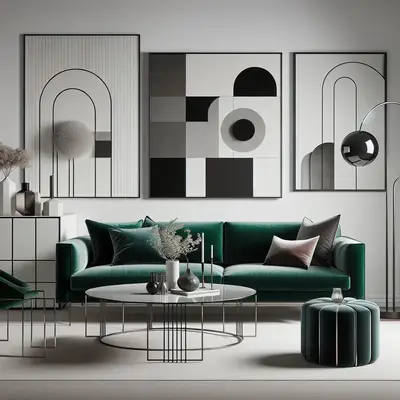
One of the most powerful emerging trends is architectural calm—a design approach that prioritizes visual quiet and spatial clarity over pattern, ornament, or constant stimuli. The most luxurious homes are being edited, not embellished: fewer sightline interruptions, fewer competing finishes, fewer visual “events” per room. This doesn’t mean minimalist sterility; it means orchestrating contrast carefully so that every pivot point in the home feels intentional. Wide, uninterrupted wall planes, flush baseboards, concealed door frames, and integrated storage all contribute to a sense of serenity.
For a renovation, this often begins with ruthless planning: eliminating awkward transitions, aligning doors and windows, hiding mechanical clutter, and designing cabinetry that appears as architecture instead of furniture. Color palettes lean toward layered neutrals—warm stone, soft greige, muted taupe—punctuated by a single deeper tone in each space. The effect is subtle but unmistakable: the home becomes a backdrop for life, not a constant visual negotiation. Homeowners who invest in architectural calm find that their spaces not only look more elevated, but also feel more mentally expansive and restorative.
2. Material Intelligence: Pairing Luxe Surfaces With Real-Life Durability
Today’s sophisticated renovations are defined less by “what” materials you choose and more by “how” and “where” you deploy them. The newest luxury is material intelligence: understanding that every surface must serve both a sensory and a functional purpose. It is the difference between simply installing marble everywhere and strategically using honed stone on vertical surfaces while relying on advanced composites or ultra-compact surfaces in high-traffic zones. The aim is not to avoid patina, but to curate where and how it appears over time.
Homeowners planning premium upgrades are increasingly pairing natural and engineered materials to achieve both beauty and resilience. Think: a richly veined stone island framed by ultra-durable porcelain worktops in a nearly identical tone, or wide-plank timber floors upgraded with a matte, repairable finish designed to age gracefully. In bathrooms, large-format tiles with minimal grout lines create a seamless, gallery-like envelope, while textured stone mosaics appear only where they can be seen—and felt—most, such as in walk-in showers or behind freestanding tubs. The result is a home that feels indulgent to the touch yet uncompromising in performance, where materials are selected with the same precision as a wardrobe of tailored pieces.
3. Layered Light: Designing Illumination as a Luxury Experience
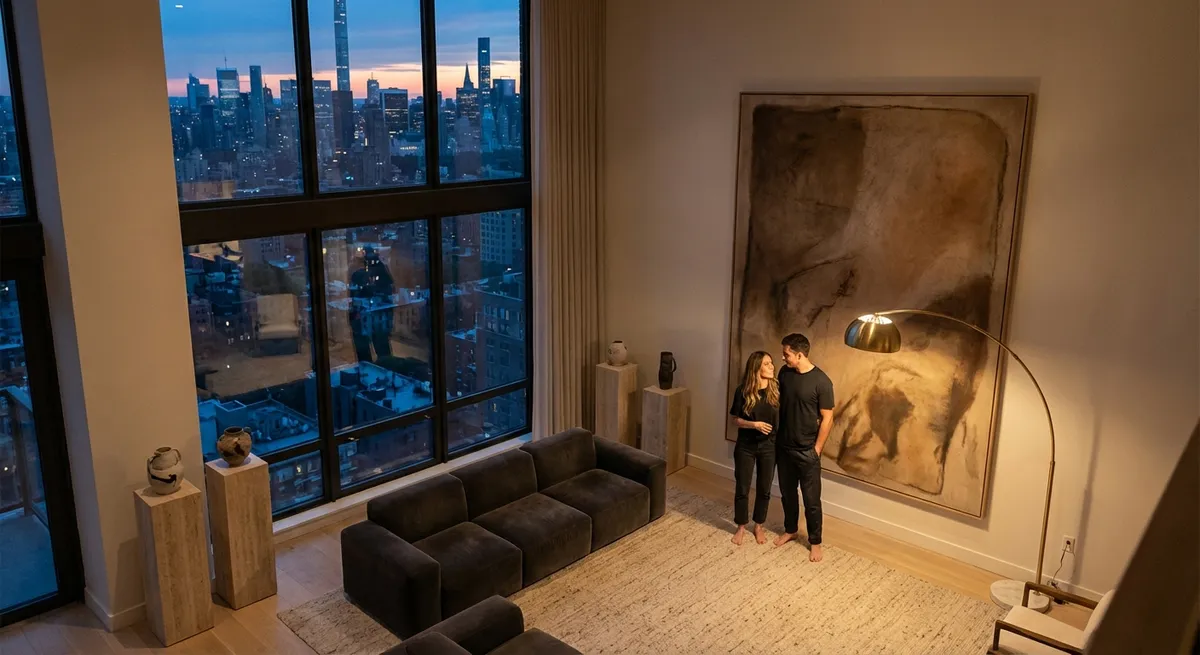
Lighting has quietly become one of the most defining indicators of a sophisticated renovation. The trend is moving decisively away from a grid of generic downlights and toward layered illumination that flatters both architecture and occupants. Well-designed homes now treat lighting like a choreography: ambient lighting for volume, accent lighting to articulate form, and task lighting to quietly support daily rituals. The goal is to ensure that every room feels cinematic at night and effortlessly balanced by day.
In a premium renovation, this means early and detailed planning with both the architect and lighting designer. Cove lighting to wash ceilings in warm light, discreet wall washers to highlight art, and low-level guidance lighting along hallways or stairs all create a subtle sense of luxury. Kitchens are increasingly moving toward concealed linear lighting under shelves and within cabinetry, reducing glare while enhancing depth and texture. Warm color temperatures are carefully calibrated—often with tunable systems—to mimic natural light shifts from morning to evening. When executed well, lighting becomes the invisible thread that unites the home: flattering skin tones, elevating finishes, and allowing each space to transform from functional to atmospheric with a single touch.
4. Discreet Technology: Invisible Intelligence Behind Impeccable Design
The most forward-thinking renovations no longer put technology on display; they bury it beneath a perfectly resolved aesthetic. Discreet technology—the integration of advanced systems beneath a calm, crafted surface—is rapidly becoming the hallmark of sophisticated homes. Instead of walls cluttered with switches and outlets, homeowners are choosing consolidated control panels, integrated smart systems, and concealed ports, allowing the architecture to read as pure and uninterrupted.
This approach extends to every room: televisions that disappear behind sliding panels or into millwork, speakers embedded into ceilings and walls, and climate systems designed to be felt but seldom seen. In kitchens, high-performance appliances are panel-ready and integrated, while charging drawers and hidden workstations keep counters immaculate. Spa-like bathrooms conceal valves and controls within elegant niches or behind minimal trim. Crucially, the planning phase is where this sophistication is either secured or lost. Homeowners who prioritize infrastructure—cabling, access, ventilation, and power—early in the renovation can achieve an environment where the technology is experienced as seamless ease rather than visible equipment. The luxury is not in the gadgetry itself, but in how little of it you see.
5. Curated Comfort: Bespoke Spaces for the Way You Actually Live
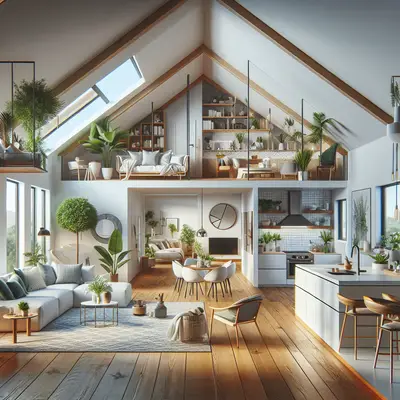
Perhaps the most meaningful trend in high-end design is the move toward curated comfort—spaces custom-tailored to the homeowner’s real habits, not generic lifestyle aspirations. Luxury is no longer defined purely by room count or square footage; it is defined by how exquisitely every square meter supports daily life. This might mean designing a “quiet lounge” instead of a formal living room, or a generous, light-filled dressing suite in place of a rarely used guest room. The most successful renovations begin with an honest assessment of how you truly spend your time at home.
Design teams are now creating micro-environments within a home: a coffee bar built into a library wall for early mornings, a softly lit reading niche along a window bay, a temperature-controlled wine wall integrated into a dining area rather than isolated in a cellar. Even work-from-home spaces are evolving into more refined “study salons,” with acoustically considered materials, concealed storage, and lighting tailored for long hours without fatigue. Textiles, too, reflect this shift: generous, tactile upholstery, layered window treatments, and tailored rugs that anchor each zone. The end goal is a home that feels deeply personal yet visually coherent—where every comfort has been anticipated and beautifully resolved.
Conclusion
Renovating at a premium level is no longer about following the loudest trends; it is about orchestrating an environment that feels quietly inevitable—calm, intelligent, and exquisitely detailed. Architectural calm, material intelligence, layered light, discreet technology, and curated comfort together form a design language that will remain relevant long after more obvious trends fade.
For homeowners planning their next renovation, the most valuable question to ask is not “What is everyone else doing?” but “What will still feel refined, effortless, and unmistakably mine a decade from now?” The homes that answer that question well are the ones that ultimately define the future of luxury design.
Key Takeaway
The most important thing to remember from this article is that this information can change how you think about Design Trends.