A truly elevated renovation is never loud; it is quietly assured. The most compelling homes today don’t shout luxury—they whisper it through proportion, tactility, light, and restraint. As design trends evolve, the most discerning homeowners are gravitating toward spaces that feel composed rather than decorated, intentional rather than performative.
For those planning a renovation, understanding the undercurrent beneath the trends—the why, not just the what—is the difference between a home that feels momentarily fashionable and one that ages with grace. The following five insights move beyond surface-level aesthetics and into the realm of strategic, enduring refinement.
1. The Rise of “Atmospheric Minimalism”
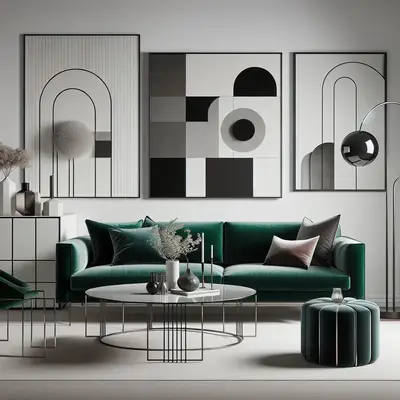
Minimalism is no longer about empty rooms and stark white walls; it has matured into something more nuanced: atmospheric minimalism. Here, the focus shifts from removing objects to curating sensations—light, sound, shadow, and texture are orchestrated to create calm that feels rich, not sterile.
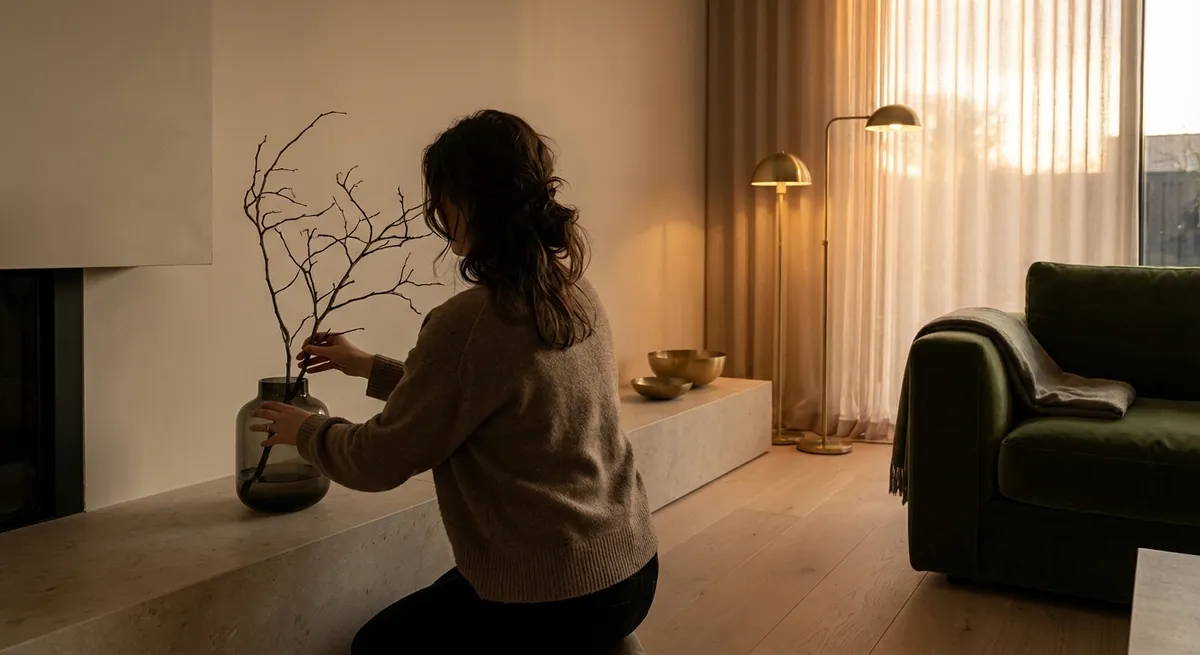
In this paradigm, color palettes lean toward desaturated, layered neutrals—mushroom, chalk, stone, tobacco—subtly varied across walls, upholstery, and textiles. Finishes are honed rather than glossy, encouraging light to diffuse gently rather than bounce sharply. Acoustic comfort becomes a design driver: soft furnishings, upholstered wall panels, and textural rugs are chosen not only for appearance but for their ability to quiet the space.
For a renovation, this means planning from the envelope out: consider how natural light moves through your home at different hours, where glare needs to be tamed, and where shadow can be used to create depth. Rather than crowding rooms with standout pieces, invest in a few meticulously chosen elements—a sculptural sofa, a monolithic stone coffee table, a single, commanding light fixture—allowing voids and negative space to become part of the design language.
2. Material Pairings That Signal Understated Luxury
The most sophisticated homes today are defined less by conspicuous finishes and more by elevated material pairings—thoughtful contrasts that feel quietly bespoke. Instead of predictable marble-and-chrome, we’re seeing depth created through restrained, tactile counterpoints.
Pairings such as oiled walnut with brushed nickel, honed limestone with patinated brass, or limewash plaster with smoked oak flooring convey a sense of tailored subtlety. The secret lies in avoiding too many competing statements; limiting your renovation to three or four dominant materials used consistently across spaces creates cohesion and a sense of custom continuity.
A strategic renovation move is to designate one “hero” material that threads through your entire home—perhaps a particular stone, wood species, or metal finish—then echo it across thresholds, window trims, fireplace surrounds, and joinery details. This repetition, even in modest applications, signals intention. It also future-proofs the design: as secondary elements evolve over time (art, textiles, furniture), the underlying material language remains coherent and enduring.
3. Architectural Lighting as the New Signature Detail
Lighting has quietly become the most powerful differentiator between standard and exceptional renovations. Beyond decorative fixtures, true luxury now resides in architectural lighting: integrated, layered systems that feel almost invisible yet utterly transformative.
Rather than relying on a grid of recessed downlights, consider multiple layers—cove lighting to wash ceilings, wall grazing to emphasize textures like stone or plaster, and concealed LED strips in joinery to create a glow rather than hotspots. Dimmable, tunable-white lighting allows you to shift the warmth of light throughout the day, moving from crisp daylight tones in the morning to softer, candle-like warmth in the evening.
During renovation planning, treat lighting as a primary design discipline, not an afterthought. Walk through each room in your mind at dawn, midday, and night: How will you want the space to feel at each moment? Where should light recede, and where should it dramatize? Specifying a unified color temperature strategy and investing in high-quality fixtures and drivers ensures your home feels cohesive and considered, not pieced together. The effect is subtle yet unmistakable: a space that feels quietly cinematic, every day.
4. The Soft Integration of Technology
Luxury in the current era is not about showcasing technology—it is about nearly erasing its presence while preserving its capabilities. The most refined renovations treat technology as infrastructure, not décor. Screens are concealed or minimized, speakers are either invisible or artfully integrated, and control interfaces are intuitive enough to disappear into routine.
Architectural strategies—such as recessing televisions into wall niches, using sliding panels or artwork to conceal screens, and integrating ventilation within cabinetry—ensure that functional necessities do not visually dominate. Smart home systems are selected for reliability, simplicity, and their ability to blend with existing switches and controls, not merely for their feature lists.
For homeowners, this means asking not just what technology you want, but how visible it should be. Plan cable routes, charging zones, workstation niches, and Wi-Fi coverage before walls are closed. Consider integrating small, beautifully finished “tech docks” into joinery—discreet drawers or cabinets where routers, hubs, and charging stations live in visual silence. A space that functions effortlessly but presents itself with composure is the ultimate expression of modern refinement.
5. A Return to Tailored Rooms, Not Generic Open Plans
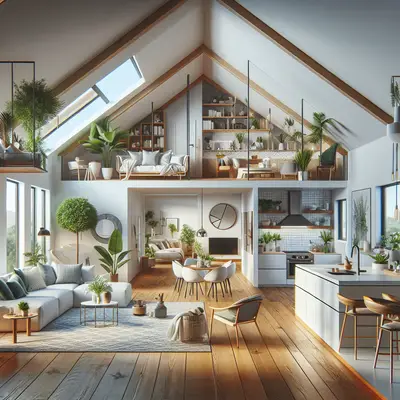
After years of expansive, undifferentiated open-plan living, there is a noticeable shift back toward tailored, purpose-driven spaces. This is not a rejection of openness, but a rebalancing: creating subtle thresholds, defined zones, and varied experiences within the home.
In practice, this means using half-height partitions, framed openings, floor level changes, or changes in ceiling treatment to gently delineate areas without severing connection. A reading corner defined by a lowered ceiling and wall wash lighting; a dining area framed by a change in flooring material; a home office defined by glass-and-wood internal partitions—these gestures introduce privacy, intimacy, and acoustic comfort while retaining spatial flow.
When renovating, challenge the assumption that one large space is automatically superior. Ask instead: Which activities deserve their own sense of occasion? Perhaps a music room, a small library, or a breakfast nook can be carved out with modest architectural moves that dramatically elevate daily rituals. A home composed of subtly distinct moments—each with its own atmosphere—feels both more luxurious and more deeply livable.
Conclusion
A sophisticated renovation is less about chasing the latest look and more about orchestrating a cohesive experience—one that balances atmosphere, materials, light, technology, and spatial character. The most enduring homes are those in which every decision, from the curve of a handrail to the temperature of evening light, feels deliberate.
By embracing atmospheric minimalism, refining your material palette, elevating architectural lighting, softening the presence of technology, and returning to tailored, purposeful rooms, you create more than a beautiful interior. You create a home that communicates quiet assurance—a place where luxury is not announced, but understood.
Sources
- American Society of Interior Designers (ASID) 2024 Trends Report - Industry research highlighting evolving residential design priorities, including wellness, lighting, and material choices.
- Harvard Joint Center for Housing Studies – Remodeling Futures Program - Data and analysis on renovation and remodeling trends that inform long-term planning decisions.
- The New York Times – “How to Get the Lighting Just Right at Home” - Practical insights from designers and lighting experts on layered lighting strategies.
- Dezeen – Interiors Category - Global coverage of contemporary interiors showcasing material pairings and spatial strategies used in high-end projects.
- U.S. Department of Energy – Residential Lighting Basics - Technical guidance on lighting types, efficiency, and considerations that underpin sophisticated lighting design.
Key Takeaway
The most important thing to remember from this article is that this information can change how you think about Design Trends.