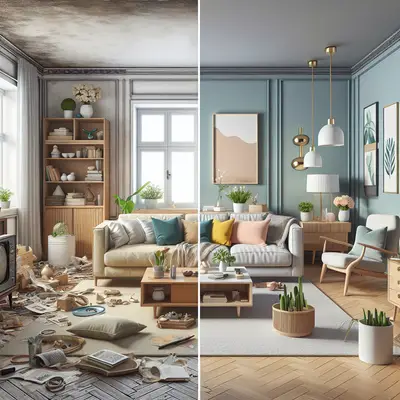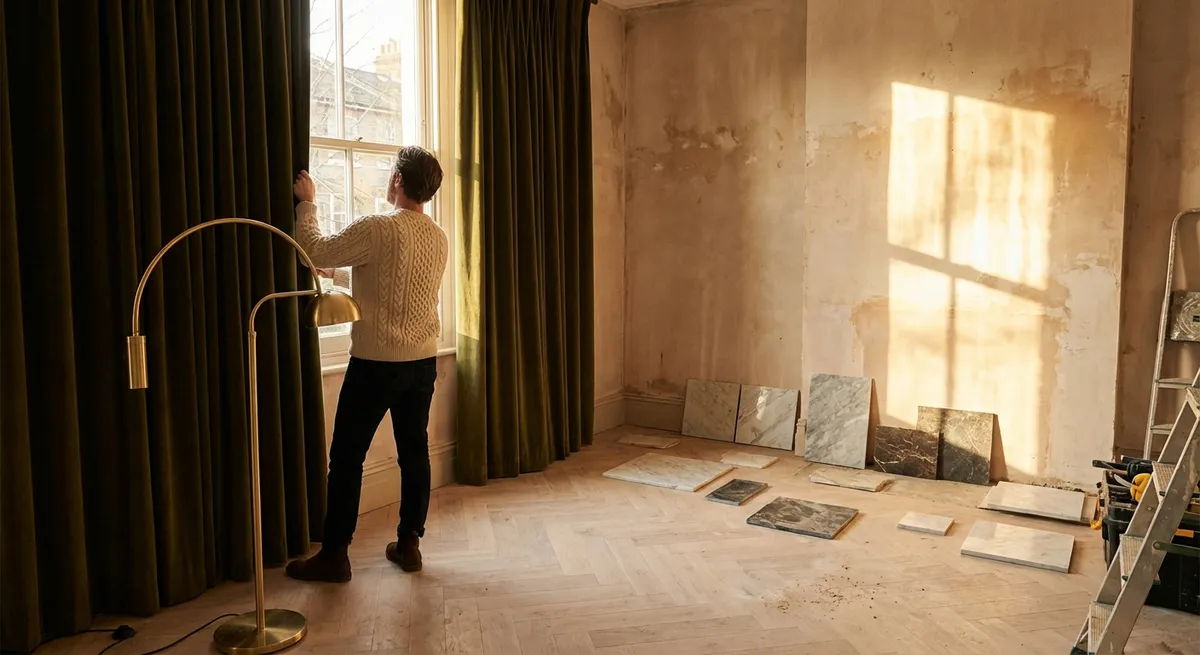
True luxury in a home is rarely loud. It is felt rather than announced—through acoustics, proportions, light, and the way each space anticipates how you live. For homeowners embarking on a renovation, the difference between “well done” and “exceptional” is almost always found in what is thoughtfully considered long before the first wall comes down. This is where renovation becomes less about change, and more about curation.
Below are five exclusive, often-overlooked insights that elevate a renovation from simply updated to quietly extraordinary—each one designed for homeowners who view their space as both a refuge and a refined expression of how they choose to live.
Designing for Sound, Not Just Sight
Most renovation plans are drafted for the eye. The cultivated home, however, is also composed for the ear. Sound is one of the most powerful shapers of experience, yet it is rarely addressed beyond the choice of soft furnishings.
Thoughtful acoustic planning can begin with layout: separating noisier zones such as kitchens and media rooms from rooms intended for restoration, like bedrooms or studies. Wall assemblies can be specified with sound-dampening insulation, double-layered drywall, or resilient channels that “decouple” finishes from framing, minimizing vibration transfer. Even door selection matters—solid-core doors and well-installed seals elevate both privacy and perceived quality.
Materials are another quiet lever. High ceilings and extensive glazing can be visually stunning yet acoustically harsh if not balanced with strategic softness: upholstered pieces, wool rugs, lined drapery, and acoustic panels disguised as art or millwork. Planning for ambient noise—HVAC hum, plumbing runs, appliance placement—before construction begins enables a home that not only looks serene, but sounds calm at every hour.
The Hidden Infrastructure of Effortless Living
The most luxurious homes often appear deceptively simple, with clean lines and minimal visual noise. Beneath that composure is an invisible infrastructure—power, ventilation, structural reinforcement, data, and storage—that has been meticulously orchestrated. Renovators who prioritize this hidden architecture enjoy homes that feel both intuitive and future-ready.
Begin by mapping your actual daily patterns: where devices charge, where you pause with a drink, where you read, dress, or work. Then brief your design and build team to align outlets, lighting, and storage to support those rituals. Consider wiring for robust whole-home Wi-Fi, integrated speakers, and hardwired connections in key locations, even if you do not intend to deploy everything at once.
Mechanical systems deserve equal scrutiny. High-efficiency HVAC with zoning, balanced ventilation, and thoughtful duct routing allow for consistent comfort without intrusive noise or drafts. Structural foresight—such as reinforcing floors beneath heavy stone islands or future built-ins—prevents later compromises. The reward is a home that accommodates evolving technology and lifestyle changes gracefully, without the need for disruptive retrofits.
Orchestrating Light for Every Hour of the Day
Most renovation discussions about lighting begin and end with fixtures. A more elevated approach treats light as a sequence—natural and artificial—curated across the day. The objective is not simply brightness, but mood, clarity, and a sense of temporal rhythm that makes each space feel “correct” at dawn, midday, and evening.
Natural light is the first instrument. Window placements, sill heights, and the choice between clear and textured glass shape glare, privacy, and views. Layering sheers with heavier drapery or shades allows nuanced control from soft diffusion to full blackout. North, south, east, and west exposures will each ask for different responses in terms of shading and glazing performance.
Artificial lighting should be layered rather than singular. Ambient (general) light sets the backdrop; task lighting ensures functional clarity at counters, desks, and vanities; accent lighting highlights art, architecture, and texture. Specifying dimmable, warm-to-neutral LED sources, ideally with consistent color rendering across the home, helps maintain harmony. Pre-planned scenes—“morning,” “entertaining,” “evening unwind”—can be programmed through smart controls, offering luxury not in spectacle, but in ease and atmosphere on demand.
Crafting Transitions as Moments of Calm
Many renovations focus intensely on rooms, but the most refined homes are defined by their transitions: hallways, thresholds, stair landings, entry sequences, and visual alignments from one space to the next. These in-between zones are where a house either feels disjointed or composed.
Start by walking through your home’s “routes” on paper—the journey from entry to kitchen, from bedroom to bath, from living area to outdoor space. Align openings so that doors frame considered views, not visual clutter. Slightly widening a corridor, recessing a niche for art, or adding a low bench by a window can convert a mere passage into a deliberate pause.
Consistency in certain details—door heights, baseboard profiles, flooring transitions—builds a sense of quiet continuity, even when styles shift subtly from room to room. Where flooring changes are necessary, use clean, flush transitions rather than abrupt thresholds. Even staircases offer an opportunity for refinement: comfortable tread depth, secure yet sculptural handrails, and gentle, well-placed lighting along the wall or risers all contribute to the feeling that the home has been designed with both dignity and daily use in mind.
Elevating Function: Storage as a Luxury Experience
Storage is often treated as purely pragmatic—something to “fit in” wherever possible. In a genuinely elevated renovation, storage is designed as a tactile, visually discreet luxury that supports a life with less friction and less visible clutter.
This begins with anticipating categories rather than just volume: wardrobe pieces, seasonal items, luggage, hobby equipment, entertaining pieces, and daily-use essentials all benefit from different types of containment. Built-ins can be tailored to what you own and how you access it, from shallow shelving that prevents items from being lost at the back, to full-height cabinetry that conceals appliances and charging stations.
Material selection matters. Interior finishes inside closets, pantries, and drawers—smooth paints, durable laminates, or warm veneers—shape how it feels to use them daily. Thoughtful interior lighting that activates as doors open, quiet-close hardware, and integrated organizers for jewelry, small tech, or barware subtly elevate the ordinary. When storage is comfortable to use and visually unobtrusive, the entire home feels more composed, because the necessities of life have dignified, intentional places to reside.
Conclusion
A renovation aimed at true refinement is less concerned with spectacle and more with how a home performs: acoustically, visually, practically, and emotionally. By designing for sound as carefully as for sight, investing in invisible infrastructure, orchestrating light with precision, dignifying transitions, and elevating storage into a quiet form of luxury, homeowners create spaces that continue to reveal their depth long after the work is complete.
The result is not simply a renovated property, but a home that feels inherently poised—one that reflects a deliberate way of living, and stands gracefully ready for whatever the next chapter may hold.
Sources
- U.S. Department of Energy – Energy Saver: Lighting Choices - Guidance on efficient lighting, color temperature, and layered lighting strategies
- Harvard T.H. Chan School of Public Health – Homes and Health - Research-based insights on ventilation, comfort, and healthy indoor environments
- U.S. Environmental Protection Agency – Indoor Air Quality - Authoritative information on HVAC, air quality, and building systems that support healthier homes
- National Institute of Building Sciences – Whole Building Design Guide: Acoustics - Detailed overview of acoustic planning, materials, and construction strategies
- American Institute of Architects – Residential Design Resources - Professional perspectives on residential design, space planning, and integrated building systems
Key Takeaway
The most important thing to remember from this article is that this information can change how you think about Home Renovation.