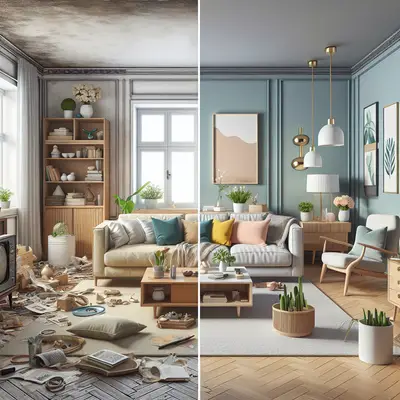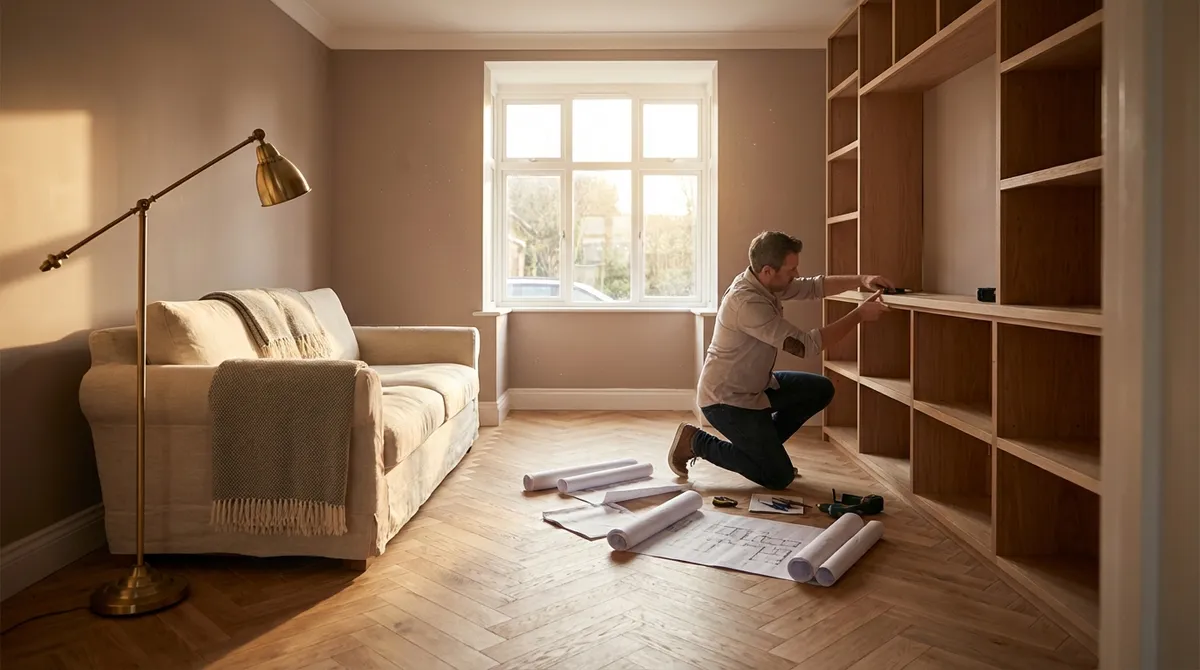
A refined home is never merely “updated”; it is resolved. The most successful renovations do not announce themselves with spectacle—they slip into daily life so intuitively that you wonder how the space ever functioned differently. For homeowners accustomed to making considered investments, renovation is less about square footage and more about calibrating atmosphere, movement, sound, and light to align with how they truly live. This is where renovation stops being a checklist of finishes and becomes a disciplined exercise in intentionality.
Below are five exclusive insights that tend to separate competent renovations from quietly extraordinary ones—subtleties that sophisticated homeowners increasingly prioritize, yet are often overlooked in conventional planning.
Designing for the First 30 Seconds: The Micro-Choreography of Arrival
Every home has an arrival sequence, whether deliberate or accidental. The most elevated renovations choreograph those first 30 seconds—from door to first sightline—as carefully as a boutique hotel lobby.
Start with what you see at a single glance when you cross the threshold: a framed view, a wash of natural light, a single anchored element (a console, a sculptural light, a perfectly scaled chair) that provides an immediate sense of calm and orientation. Renovation plans should map this primary axis before finalizing walls, storage, or lighting layouts. If your arrival view is a sightline into kitchen clutter or a dark hallway, consider modest structural shifts—widening an opening, aligning a doorway, or reorienting a staircase wall—to transform that moment.
Then address what you do in those first 30 seconds: place a key, set down a bag, remove shoes, hang a coat. Build subtle function around these gestures: a concealed charging drawer instead of a tangle of cables, a shallow niche for mail that closes behind a pivoting panel, shoe storage that looks like millwork rather than cabinetry. When these rituals are architected into the shell of the home, the daily experience is one of effortlessness—a hallmark of truly premium renovation.
Light as Architecture, Not Accessory
In refined renovations, lighting is treated as an architectural layer, not an afterthought attached at the end of construction. The goal is less “brightness” and more composition: using light to sculpt volume, emphasize materials, and control mood from morning to midnight.
Begin with daylight. Evaluate the angle and intensity of sun across seasons and times of day. Strategic window enlargements, interior transoms, or reoriented openings can often outperform expensive decorative lighting. Consider glazing placement that frames exterior elements—a mature tree, a courtyard, a distant skyline—so that natural light arrives with context, not just illumination.
Artificial light should then be layered, not singular. General ambient lighting provides soft, even coverage; accent lighting draws attention to texture and art; task lighting supports reading, cooking, and working without glare. Integrate dimmable circuits and warm color temperatures (typically 2700K–3000K for residential spaces) to avoid the clinical feel of many modern renovations. Recessed profiles to wash walls, slim picture lights, and discreet undercabinet strips can create a nuanced hierarchy of light that flatters both the architecture and the people within it.
Most importantly, resist the urge to over-populate ceilings with can lights. In premium projects, lighting is edited, not multiplied. The result is a home that feels considered at every hour, where a single button press can transition from morning clarity to evening softness.
Material Pairings That Age Gracefully, Not Just Photogenically
Many renovations prioritize what photographs well in the first year rather than what will look quietly beautiful after a decade of actual living. Discerning homeowners increasingly ask a different question: How will this material age under real use, and will I like it more or less as it does?
This line of thinking shifts the conversation from “stain-proof perfection” to “graceful patina.” Honed natural stone, solid wood with a matte finish, unlacquered brass, and limewash plasters all develop subtle character over time. They trade pristine gloss for depth and authenticity—qualities that align with a more European, lived-in sense of luxury. The key is to pair these expressive materials with calmer, highly durable counterparts: for example, a honed marble island balanced by resilient perimeter countertops, or a richly veined stone feature wall set within a field of understated plaster.
Material thickness and detail also speak volumes. A slightly thicker countertop edge, a well-resolved reveal where cabinetry meets wall, or a continuous floor material that flows through multiple rooms without thresholds—these are the details that convey investment without overt branding. Before finalizing specifications, request large samples and view them in your home’s light at different times of day. Evaluate not just color, but reflection, warmth, and tactility under bare hands and bare feet. The materials you touch most should be the most meticulously chosen.
Crafting Acoustic Comfort as a Mark of Discreet Luxury
Quiet is one of the most underrated luxuries in residential design. While floor plans and finishes tend to dominate renovation discussions, acoustic comfort—how sound moves, echoes, or is absorbed—often goes unaddressed until it becomes a nuisance.
Thoughtful renovation anticipates this. Start with the envelope: upgrading insulation, sealing air gaps, and specifying higher-performing windows can substantially reduce exterior noise, particularly in urban or high-traffic settings. Within the home, consider where sound should travel and where it should be gently contained. Shared walls between bedrooms and active zones benefit from sound-dampening insulation and resilient channels; solid-core doors with quality seals outperform hollow-core alternatives dramatically.
Hard, reflective surfaces—stone floors, large windows, minimal drapery—can create attractive visuals but harsh acoustics. Balance these with subtly absorptive elements: area rugs with underlay, lined curtains, upholstered seating, and even acoustic panels disguised as art or fabric-wrapped wall panels. In open-plan renovations, slight shifts in ceiling height or soft elements integrated into millwork can prevent the “echo chamber” effect while preserving spatial generosity.
Designing for sound is less about silence and more about control. A refined home has gradations of acoustic privacy, where you can host a dinner, read in a nearby room, and put a child to sleep upstairs—without constant negotiation.
Future-Facing Infrastructure Hidden in a Timeless Shell
True renovation intelligence lies in upgrading what you don’t see as much as what you do. Sophisticated homeowners increasingly treat their projects as an opportunity to future-proof the home’s underlying systems—technology, mechanicals, and power capacity—while preserving a visually timeless envelope.
Rather than chasing the latest gadgetry, focus on resilient infrastructure: ample electrical capacity and well-planned circuits, strategically placed conduits and chases for future cabling, and accessible junction points for adding or upgrading equipment later. Pre-wiring for whole-home networking, discreet speaker locations, motorized window treatments, and EV charging can be executed now, even if you don’t install the full systems immediately. The cost to integrate such elements during renovation is far lower than retrofitting later.
Equally important is mechanical comfort: a well-designed HVAC system with zoned control, quiet diffusers, and balanced air distribution dramatically elevates daily living. Pair this with high-quality filtration and thoughtful return-air placement, and your home will feel fresher and more consistent, even if the design language is deliberately restrained.
Throughout, the objective is alignment: classic architectural language, enduring materials, and concealed modern capability. A home that looks timeless but functions effortlessly with contemporary life will remain relevant—both experientially and financially—for far longer than one driven by short-lived trends.
Conclusion
The most successful renovations rarely rely on spectacle. Instead, they derive their power from a series of calibrated decisions—how you arrive, how you see and feel light, how materials age under your hand, how sound behaves, and how invisibly the home supports your routines over time. For homeowners seeking more than a cosmetic refresh, these layers of quiet refinement are where renovation becomes an exercise in long-term quality rather than short-term novelty.
When you plan with this lens, the result is a home that does not simply look new; it feels inevitable—precisely, and almost instinctively, right.
Sources
- Harvard Joint Center for Housing Studies – Improving America’s Housing - Research on renovation trends, investment patterns, and long-term homeowner priorities
- U.S. Department of Energy – Energy Saver: Windows, Doors and Skylights - Guidance on daylighting, glazing choices, and energy-efficient envelope upgrades
- American Society of Interior Designers (ASID) – Impact of Design Research - Evidence-based insights on how design elements like lighting, acoustics, and materiality affect well-being
- Mayo Clinic – Indoor Air Quality and Health - Overview of how ventilation, filtration, and indoor environments impact comfort and health
- National Institute of Building Sciences – Whole Building Design Guide: Acoustics - Technical background on acoustic comfort, sound transmission, and noise control strategies in buildings
Key Takeaway
The most important thing to remember from this article is that this information can change how you think about Home Renovation.