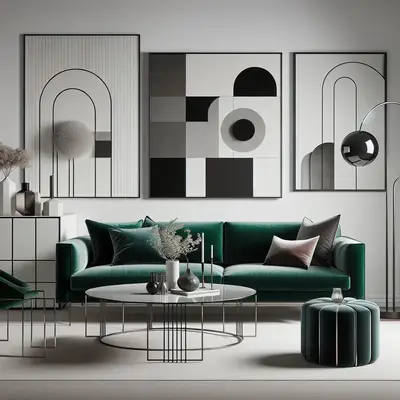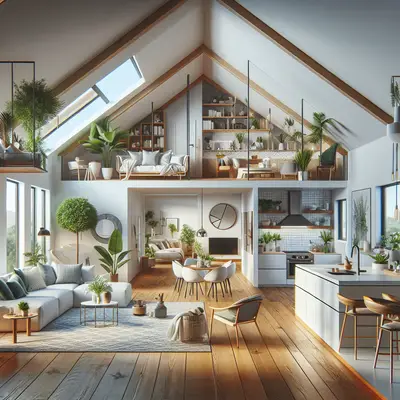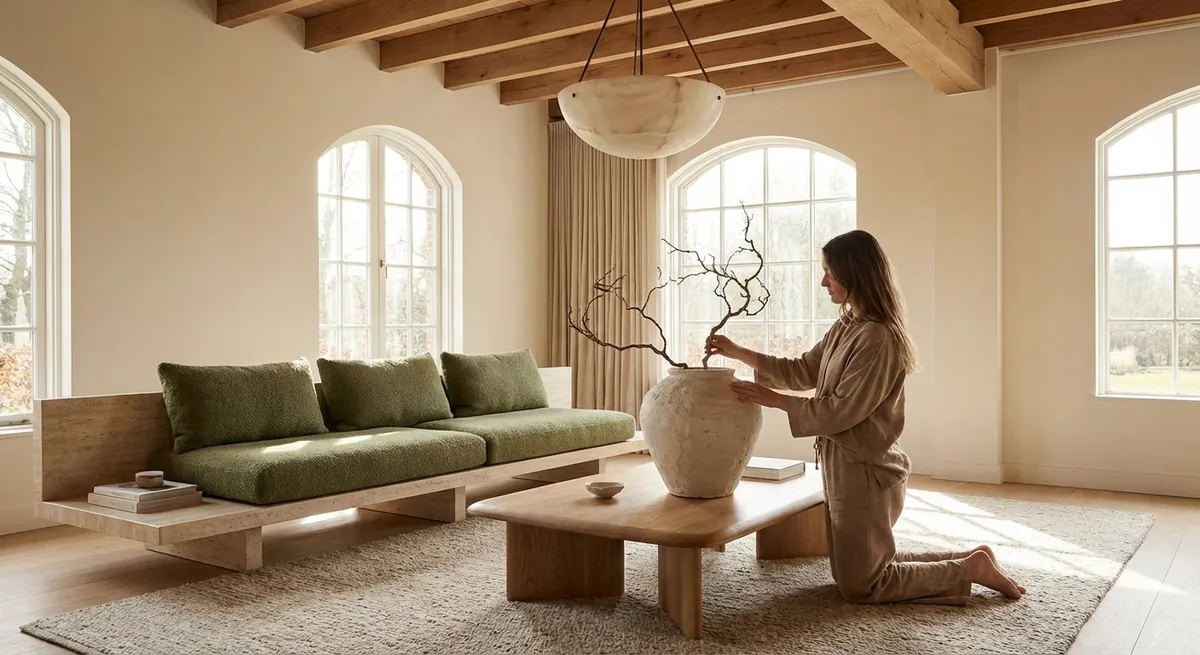
The most compelling homes today are not shouting for attention; they are orchestrated. They feel composed rather than decorated, intentional rather than over-designed. For the homeowner planning a renovation, the opportunity is not merely to update finishes, but to recalibrate how space, light, sound, and materiality work together over time. What follows are five exclusive, forward-leaning insights that move beyond surface trends and into the realm of enduring, quiet sophistication—precisely the territory where a truly elevated renovation belongs.
Insight 1: From Open Plan to “Layered Adjacencies”
The once-aspirational fully open plan is quietly giving way to a more nuanced approach: layered adjacencies. Instead of one vast, undifferentiated great room, refined homes now favor a series of interconnected zones that preserve flow while restoring privacy, acoustics, and a sense of ritual.
This doesn’t mean returning to chopped-up rooms and narrow corridors. Think of it as a choreography of thresholds: glass-and-steel pocket doors that disappear when entertaining, a framed opening that reveals the kitchen without exposing every work surface, a partial wall that shelters a reading niche from a busier living space. The objective is to keep visual connection but modulate exposure, so each activity—cooking, working, unwinding—feels grounded rather than ad hoc.
For a renovation, this may translate into sculpted openings instead of removing every wall, or reintroducing a paneled portal between dining and living zones to give each room a distinct presence. Ceiling treatments can also delineate areas: a coffered dining ceiling within an otherwise continuous space, or a dropped plane above a lounge area to signal intimacy. Layered adjacencies restore a sense of occasion to everyday life, allowing a home to flex between convivial and cocooning with grace.
Insight 2: Material Honesty with Tailored Restraint
The most persuasive luxury now lies in materials that are allowed to be themselves—stone that reveals its veining, wood that acknowledges its grain, metals that patinate—with a level of control that feels deliberate rather than rustic. Material honesty is not about roughness; it is about clarity.
In practice, this means choosing fewer, better materials and then editing how and where they appear. A single, impeccably honed limestone used for both flooring and fireplace surround can feel far more considered than a medley of competing stones. A restrained palette of oak, limestone, and dark bronze, for example, can support a wide range of furnishings and art without ever feeling flat, because each element has depth and texture.
Consider, too, the detailing of transitions. How a stone counter meets a cabinet front, how a floor changes material at a threshold, how a window frame aligns with wall reveals—these micro-decisions communicate refinement. Homeowners planning a renovation should invest not just in the headline materials, but in the joinery and edges: shadow gaps instead of bulky baseboards, integrated pulls over applied hardware, mitred stone corners that read as monolithic. The result is a home that feels confident, cohesive, and quietly elevated.
Insight 3: Light as Architecture, Not Afterthought
In sophisticated homes, lighting is treated as architecture—even when fixtures disappear. Beyond simply “brightening” a space, light now shapes mood, defines hierarchy, and supports circadian rhythm. The renovation opportunity here is substantial: thoughtful lighting design can transform an otherwise conventional plan into an exceptionally nuanced environment.
Begin with daylight. Consider how window size, placement, and depth interact with the path of the sun. Deep window reveals can create sculptural shadow lines; a carefully positioned clerestory window can wash a wall in changing light throughout the day. During renovation, resizing or relocating just a few key openings can be more impactful than adding decorative fixtures later.
Layered artificial lighting completes the composition. Ambient lighting should be gentle and adjustable, often via recessed or cove sources with warm color temperatures. Task lighting—over counters, desks, and reading chairs—should be precise but not clinical. Accent lighting, from art spots to concealed LED strips in millwork, adds depth and drama without overwhelming the senses.
Integrating circadian-friendly systems that shift color temperature over the course of the day is becoming a signature of seriously considered homes. Paired with intuitive, scene-based controls (“morning,” “dinner,” “evening”), the home can pivot seamlessly from productive to atmospheric. The goal is not lavish fixtures in every room, but a finely tuned orchestration of light that feels almost effortless.
Insight 4: “Soft Tech” Integration—Invisible, Intuitive, Essential
Technology in refined homes is increasingly characterized by its discretion. The era of visible gadgetry and wall clutter is yielding to “soft tech”: systems that are deeply integrated yet visually quiet and intuitively operable. For the discerning renovator, the question is no longer whether to include smart systems, but how gracefully they can vanish into the architectural envelope.
Infrastructure is fundamental. During renovation, ensure wiring, conduit, and networking are designed with headroom for future upgrades, not just current needs. This allows for in-wall speakers, motorized shades, and climate zones that feel built-in rather than retrofitted. Concealed charging niches, integrated cable management in built-ins, and centralized AV hubs free the living areas from technological noise.
Equally important is interface restraint. Rather than a wall plastered with switches, thermostats, and touchscreens, aim for consolidated controls and pre-programmed scenes. Voice and app-based controls can reduce visual clutter, but physical controls should remain elegant and tactile for guests and everyday reliability.
Soft tech also extends to comfort and performance: underfloor heating that eliminates the need for bulky radiators, high-performance glazing that quiets the outside world, smart ventilation that improves air quality without calling attention to itself. The homeowner’s experience should be one of seamless ease—technology that recedes so that atmosphere, proportion, and materiality can take center stage.
Insight 5: Purposeful Quiet—Designing for Acoustic and Emotional Calm
One of the most coveted luxuries in contemporary homes is not an object, but a sensation: cultivated quiet. As lives become more visually and digitally saturated, the most refined interiors are intentionally tuned for acoustic and emotional calm. This is where renovation strategy can profoundly elevate day-to-day living.
Acoustically, this means thinking beyond obvious soundproofing. Soft finishes—textured rugs, upholstered panels, draperies with interlining—absorb noise, but so do cleverly detailed ceilings and walls. Slatted wood panels with acoustic backing, for instance, can bring both rhythm and serenity to a living room or hallway. Thoughtful zoning—placing bedrooms away from high-activity areas, buffering noisy spaces with storage or bathrooms—further supports a sense of tranquility.
Emotionally, quiet is created through visual discipline. A renovation is the perfect moment to design for concealed storage that allows surfaces to stay clear: appliance garages in the kitchen, integrated wardrobes that read as flush wall panels, media concealed behind sliding art or doors. When every object has a deliberate place, the eye can rest.
Color and texture choices also influence perceived quiet. Complex neutrals, soft contrast rather than hard, and a balance of matte and subtly reflective surfaces create depth without agitation. The aim is not sterility but composure—a home that feels like an exhale at the end of the day, and whose refinement is felt as ease rather than display.
Conclusion
For homeowners planning a renovation at a high level, the true frontier of design is no longer novelty, but nuance. The most compelling spaces distinguish themselves not by a single dramatic gesture, but by a series of disciplined decisions: how rooms relate to one another, how materials meet, how light moves through the day, how technology recedes, and how quiet is architected into the backdrop of daily life.
By approaching your renovation through these five lenses—layered adjacencies, material honesty, architectural lighting, soft tech integration, and purposeful quiet—you move beyond trend-chasing into the realm of enduring sophistication. The result is a home that does not merely look current, but feels timelessly attuned to the way you live, entertain, and restore.
Sources
- [Harvard Joint Center for Housing Studies – Improving America's Housing](https://www.jchs.harvard.edu/research-areas/remodeling) - Research and reports on remodeling trends, homeowner priorities, and investment patterns
- [American Institute of Architects (AIA) – Home Design Trends Survey](https://www.aia.org/resources/6316-home-design-trends-survey) - Professional insights into evolving residential design patterns, including layout, technology, and materials
- [U.S. Department of Energy – Daylighting Basics](https://www.energy.gov/energysaver/daylighting) - Guidance on daylighting strategies and their impact on comfort and energy performance
- [International WELL Building Institute – WELL Building Standard](https://standard.wellcertified.com/) - Framework linking design choices with wellness factors such as light, sound, air quality, and comfort
- [MIT School of Architecture + Planning – Materials Research](https://architecture.mit.edu/subject-research/materials) - Exploration of material performance and innovation relevant to sophisticated, durable design
Key Takeaway
The most important thing to remember from this article is that this information can change how you think about Design Trends.