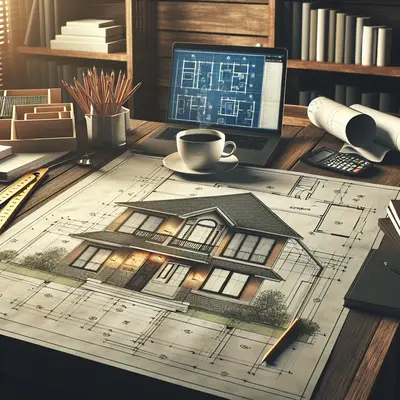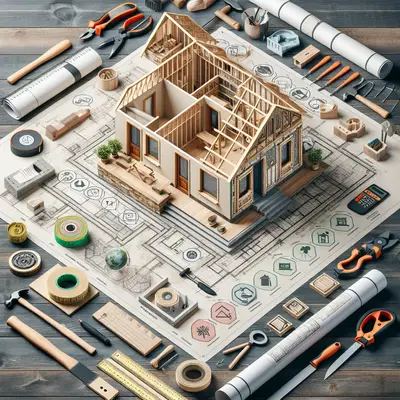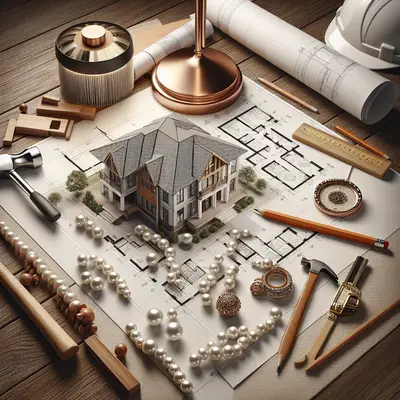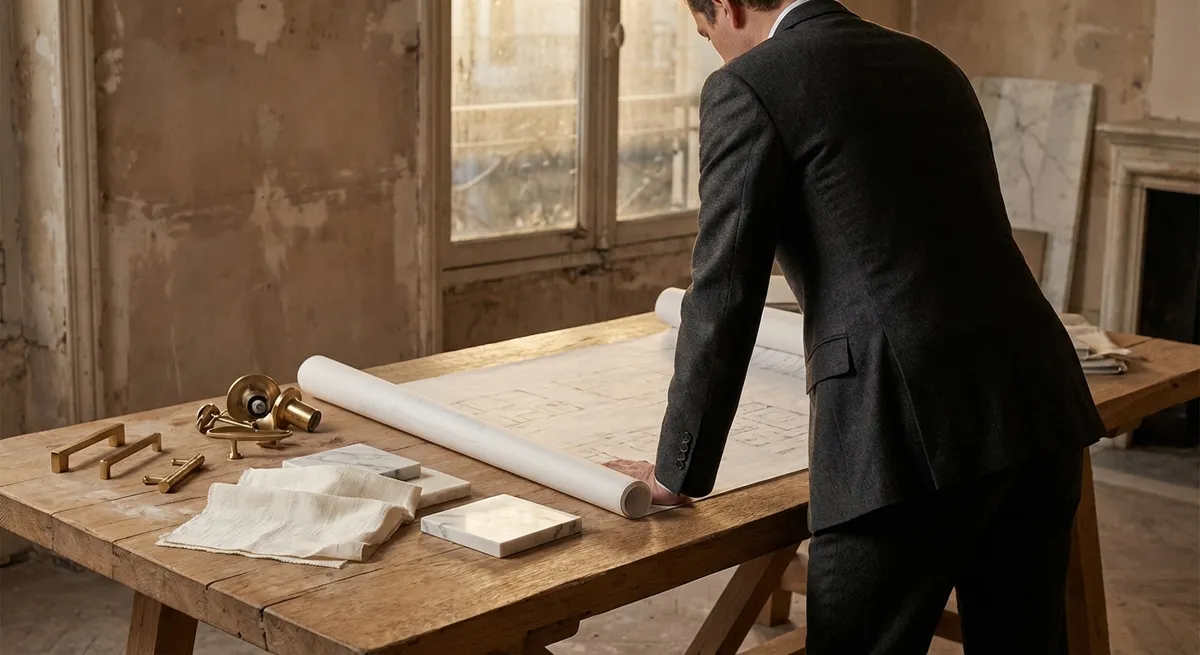
Renovation, at its highest level, isn’t a sequence of tasks—it’s a well‑conducted performance. Every choice, from the first concept sketch to the final hardware installation, must play in tune with your time, budget, and long‑term vision. The true luxury isn’t simply in marble, bespoke millwork, or artisan finishes; it’s in a process so well planned that the outcome feels inevitable rather than accidental.
For homeowners with refined expectations, project planning is where quiet confidence is built—or where costly chaos begins. The following insights move beyond basic checklists and timelines, offering a more nuanced, strategic way to shape your renovation so that it feels composed, controlled, and distinctly your own.
1. Design Your Constraints As Carefully As Your Features
Most homeowners obsess over features—stone choices, fixtures, layouts—while treating constraints as unfortunate limitations. Discerning renovators do the opposite: they architect their constraints first. Before you review a single moodboard, define hard boundaries for timeline, budget range, acceptable disruption to daily life, and must‑remain elements of the home. These become a refined framework, not a cage. A clearly articulated “no” list (no structural changes in certain areas, no extension beyond a specific footprint, no compromise on acoustic privacy) guides your team away from misaligned concepts and towards solutions that are creative within elegant limits. Ironically, crafted constraints often yield the most thoughtful, elevated results—where every feature has earned its place.
2. Replace the Monolithic Budget with a Tiered Investment Strategy
A single lump‑sum budget invites emotional overspend and painful trade‑offs. A sophisticated plan segments investment into deliberate tiers: foundational, functional, and expressive. Foundational covers elements that protect the home’s integrity and longevity—structure, waterproofing, electrical capacity, ventilation. Functional includes cabinetry, lighting layouts, storage strategies, and circulation. Expressive is where aesthetic signatures live: specialty finishes, statement lighting, unique stone, custom built‑ins. Decide in advance which tier receives priority in each zone of the home. For example, you might be uncompromising on foundational in wet areas, functional in the kitchen, and expressive in the primary suite. This intentional layering allows you to “edit” the project without eroding its overall quality, protecting what matters most when the inevitable adjustment is required.
3. Treat Time as a Design Material, Not an Afterthought
Timelines are usually framed as restrictions, but in sophisticated planning, time is treated as a design material. The sequencing of work can dramatically influence both the experience of living through the project and the final sense of cohesion. Consider whether a phased renovation, orchestrated around life events and seasonal rhythms, will yield a calmer, more controlled outcome than a single disruptive overhaul. Map your project not just by start and finish dates, but by critical decision windows: when stone must be finalized, custom pieces approved, lead times locked. Protect these windows like you would protect a major structural decision. A project that appears “delayed” on paper is often, in reality, buying the time necessary for better coordination, less rework, and more precise craftsmanship—quiet efficiencies that rarely make it into glossy after photos, yet define the feel of the finished space.
4. Build a “Decision Architecture” to Prevent Renovation Fatigue
High‑stakes projects often falter not because of bad taste, but because of decision fatigue. By mid‑renovation, even thoughtful homeowners begin approving compromises simply to keep momentum. Prevent this by designing a decision architecture before demolition begins. Group decisions into curated sets (for example, all metal finishes for a floor, or all interior doors across the home) and align them with project milestones. Pre‑determine which decisions require your full attention and which can be guided by pre‑agreed principles or delegated to your designer. Establish a vocabulary of non‑negotiables—proportions, alignments, color temperatures, tactile preferences—so your team can resolve smaller choices in harmony with your taste. This structure preserves your discernment for the moments that truly shape the character of the home, while keeping the project shielded from impulsive, fatigue‑driven detours.
5. Plan the Invisible Experience: Acoustics, Light, and Movement
The most memorable high‑end spaces are often defined less by what you see and more by what you feel. Thoughtful planning elevates the invisible layers: acoustics, lighting behavior, and circulation. During early planning, map how sound should travel—or not—between rooms, floors, and zones of activity. Consider how natural light shifts throughout the day and what emotional tone you want in each room at dawn, mid‑day, and evening. Plan a layered lighting strategy at the same time as furniture layouts, not as an afterthought once walls are already wired. Finally, trace movement through the home: how you enter with bags in hand, how guests flow from arrival to seating, how you transition from public areas to private retreats. Integrating these intangible elements into the project plan early ensures that the finished home doesn’t just photograph beautifully, but lives beautifully—quiet, intuitive, and effortlessly composed.
Conclusion
Exceptional renovations are never accidental; they are the result of disciplined, intelligent planning that honors both vision and reality. When constraints are thoughtfully designed, investments are tiered, time is shaped, decisions are architected, and invisible experiences are deliberately orchestrated, the renovation transforms from a risky endeavor into a controlled, artful evolution of your home.
For homeowners who expect more than surface‑level upgrades, project planning is where luxury truly begins—not in what you add, but in how precisely you choose, sequence, and protect every step along the way.
Key Takeaway
The most important thing to remember from this article is that this information can change how you think about Project Planning.