In the most refined homes, “on trend” is never the goal. Instead, the benchmark is a kind of informed elegance—spaces that acknowledge contemporary design currents yet feel poised to age with grace. For homeowners preparing a renovation, the question is not what’s fashionable this season, but what will feel considered, intelligent, and quietly luxurious ten years from now.
The following emerging design movements are less about surface-level aesthetics and more about how a home performs, feels, and communicates taste. These five insights sit beneath the usual trend chatter and offer a strategic lens for sophisticated renovations.
From Open Plan to Curated Flow
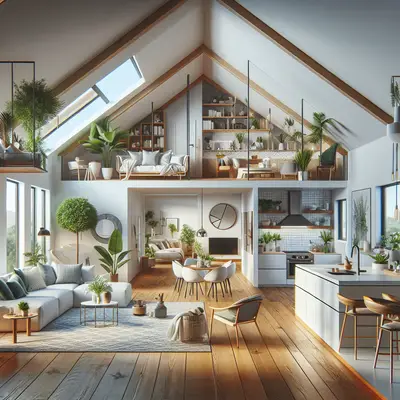
For years, the open-plan layout dominated luxury design, often at the expense of intimacy and acoustic comfort. What’s emerging now is a more nuanced approach: curated flow rather than undivided openness.
Walls are not disappearing—they are being refined. Partial partitions, framed openings, steel-and-glass interior windows, and strategically placed casework are being used as architectural “filters” rather than barriers. The result is a sequence of spaces that remain visually connected, yet allow for pockets of privacy, quiet conversation, or focused work.
For renovators, this is an invitation to think in terms of sightlines, thresholds, and transitions. How does the light move from one room to the next? What do you see first when you enter a space—and what is intentionally withheld from immediate view? Consider using changes in ceiling height, floor material, or millwork to define zones rather than defaulting to a single, undifferentiated volume.
This curated flow is particularly powerful in kitchens and living areas. Instead of fully exposing the kitchen’s functional chaos, many homeowners are opting for a semi-concealed scullery, a paneled appliance wall, or a glazed partition that softens the visual noise while preserving connection. The goal is not separation, but a composed choreography of daily life.
Tactile Quiet: Luxurious Materials Beyond the Visual
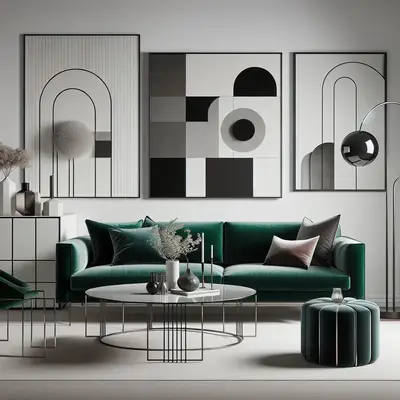
As digital life becomes more pervasive, high-end interiors are increasingly defined by what you feel rather than what you see. Tactility is emerging as a quiet form of luxury—one that becomes apparent only when you live in the space.
Think honed stone instead of high-gloss, limewash instead of flat paint, brushed metals instead of mirror-polished finishes. These surfaces mute harsh reflections and lend softness to the light, creating interiors that feel inherently more serene. A hand resting on a leather-wrapped handrail, bare feet on wide-plank oak, fingers grazing a fluted wood cabinet front—these are the micro-moments that build a sense of daily indulgence.
For renovations, this shift has strategic implications. When budgets are finite, it is more impactful to invest in fewer, higher-quality materials in high-touch zones than to spread resources thinly across the entire home. Focus on surfaces you interact with every day: door hardware, countertops, stair rails, flooring, and bathroom fixtures.
There is also a growing preference for materials that patinate gracefully rather than remain pristine. Unlacquered brass, natural stone, and solid wood will mark, deepen, and mellow over time, acquiring the kind of lived-in sophistication that cannot be faked. Instead of designing against wear, the most refined homes now design for beautiful aging.
Performance Interiors: Wellness Embedded in the Architecture
Wellness is no longer confined to a single “spa bathroom” or a designated gym; it is being embedded into the architectural fabric of the home. The most forward-thinking renovations treat air, light, acoustics, and thermal comfort as core design materials.
Daylight is being elevated beyond “lots of windows” to a more calibrated approach. Proper window orientation, glare control, and layered shading systems help regulate circadian rhythms and reduce visual fatigue. Likewise, thoughtfully designed artificial lighting—combining ambient, task, and accent layers with warm, adjustable color temperatures—supports mood and function from early morning to late evening.
Behind the scenes, mechanical systems are quietly becoming a hallmark of premium design. High-efficiency HVAC paired with advanced filtration, humidity control, and low-VOC finishes creates environments that feel noticeably fresher and more comfortable. Acoustic strategies—like double-layer drywall, acoustic underlayment beneath hard flooring, and soft furnishings in key zones—can transform how restful a home feels, even in a busy city.
For homeowners planning a renovation, it’s worth assigning wellness an explicit line in the design brief. Ask your architect or designer how they are addressing air quality, daylighting strategy, sound control, and thermal comfort—not as afterthoughts, but as central pillars. The result is a home that looks luxurious and lives generously.
Concealed Intelligence: Technology That Disappears
Smart homes are evolving from conspicuous gadgetry to discreet intelligence. The new luxury is not a wall of touchscreens, but an environment that anticipates needs and recedes from view.
Architecturally integrated speakers, flush-mounted sensors, invisible wireless charging, and refined control interfaces are replacing cluttered devices and cables. Lighting, climate, shading, and security systems are increasingly unified under intuitive control platforms, allowing for “scenes” that adjust multiple elements with a single command—morning, entertaining, away, or night.
The critical shift for renovators is to treat technology as infrastructure, not an accessory. Conduit, wiring paths, and dedicated equipment zones should be planned early, much like plumbing. Even if you do not intend to install every system immediately, pre-wiring key areas preserves flexibility and prevents invasive retrofits later.
Equally important is aesthetic restraint. Devices should harmonize with the architecture: slim-profile switches, coordinated finish plates, and hidden equipment make the home feel composed rather than cluttered with tech. The most elegant outcome is one where visitors notice the ambiance and ease—but not the machinery that orchestrates it.
Layered Personalization: From Styled Rooms to Distinct Narratives
Design trends are converging around a significant idea: the most memorable homes are relentlessly personal. Instead of generic “luxury” signifiers, homeowners are embracing layered narratives—spaces that reveal taste, travel, heritage, and intellectual interests in subtle, curated ways.
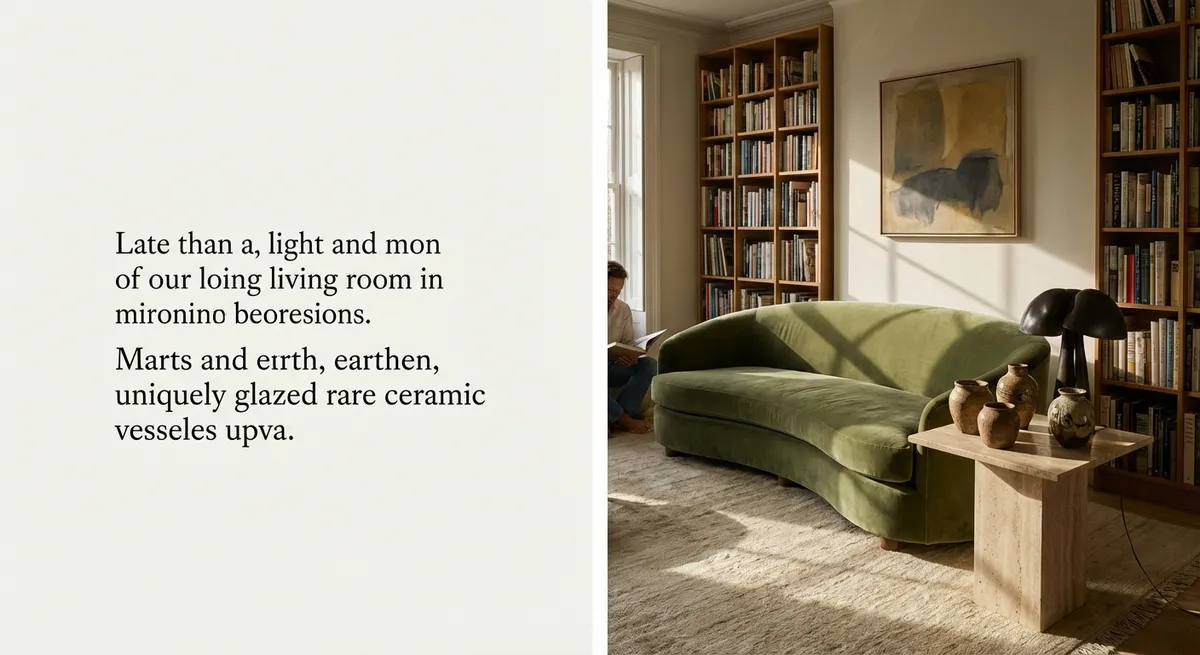
Architecturally, this may translate into a library wall that becomes the heart of a living space, a framed niche for a treasured sculpture, or a dedicated tea corner that reflects a daily ritual. Materials and finishes are being selected not only for aesthetics and performance but also for their story—local stone, artisan-made tiles, custom millwork informed by a family heirloom.
For renovators, this calls for a deeper level of intentionality during planning. Rather than starting with a mood board of images, start with a list of personal anchors: artworks you own, objects you cherish, activities that structure your week, places that have shaped your taste. Then, collaborate with your design team to weave these elements into the actual architecture—niches, built-ins, lighting moments, and framed vistas.
The resulting interiors feel less like styled sets and more like finely edited biographies. In an era saturated with visual sameness, this level of tailored detail is rapidly becoming the defining marker of a truly elevated renovation.
Conclusion
Design trends worth paying attention to are rarely the most visible ones. They unfold in the way a home moves from room to room; the way a hand glides over a surface; the clarity of the air; the calm of the acoustics; the ease with which light, temperature, and privacy adjust to your day.
For homeowners approaching a renovation with a sophisticated lens, these five insights—curated spatial flow, tactile quiet, embedded wellness, discreet technology, and layered personalization—offer more than aesthetic direction. They provide a framework for investing wisely, designing fearlessly, and creating a home that feels both current and enduringly cultivated. The result is not simply a renovated property, but a residence that reflects a considered point of view—quietly confident, meticulously resolved, and designed to age with dignity.
Sources
- American Institute of Architects (AIA) Home Design Trends Survey – Insights into evolving residential design priorities, including layout, wellness, and technology.
- Harvard Joint Center for Housing Studies – Improving America’s Housing – Data on renovation trends, investments, and homeowner preferences.
- U.S. Environmental Protection Agency – Indoor Air Quality Basics – Guidance on air quality considerations relevant to wellness-focused design.
- International WELL Building Institute – WELL Building Standard – Framework for integrating wellness, light, air, and comfort into the built environment.
- New York Times – “The New Luxury Home: Smaller, Smarter, More Personal” – Reporting on current luxury residential design directions, including technology, materials, and personalization.
Key Takeaway
The most important thing to remember from this article is that this information can change how you think about Design Trends.