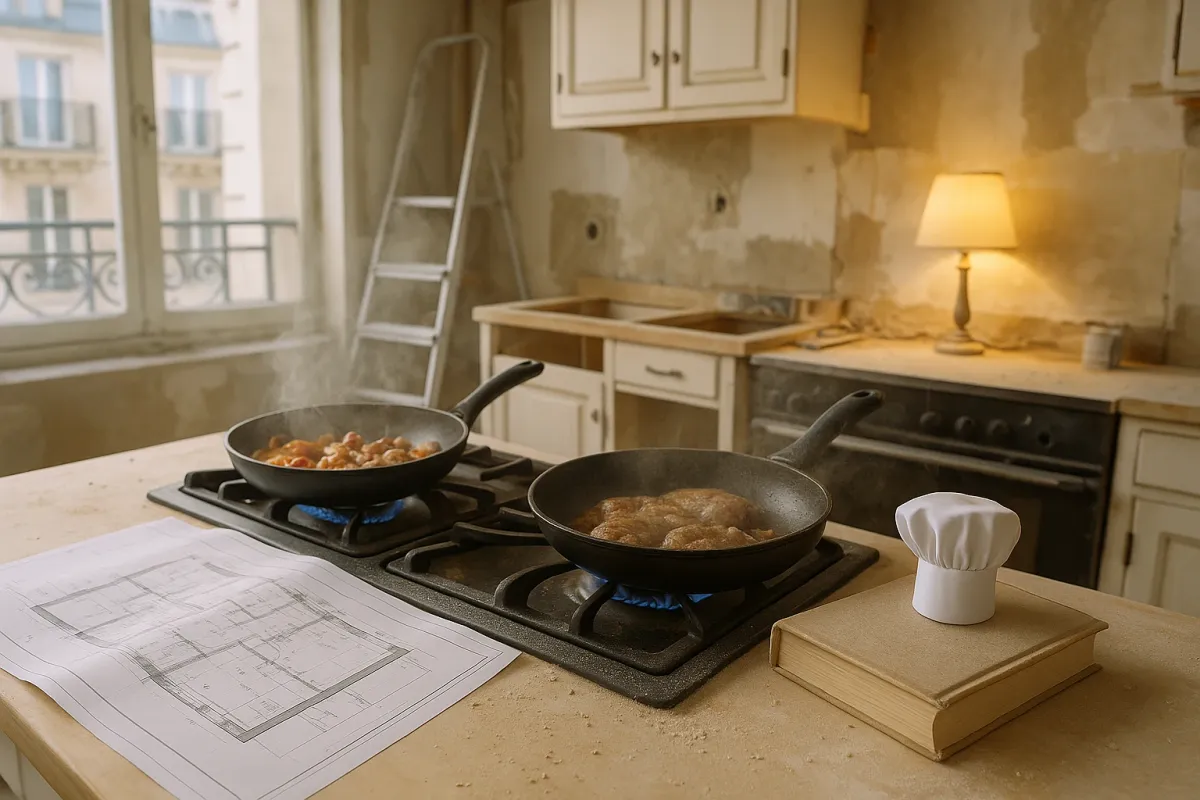
Pixar’s Ratatouille has been trending again, thanks to a wave of fans dissecting its hidden details and obsessing over the precision of every frame. Twitter and Reddit are full of people pointing out micro-moments: the wear pattern on the copper pots, the way steam behaves realistically in Gusteau’s kitchen, the layered textures of Parisian stone. It’s a reminder that what feels effortless on screen is, in reality, the product of obsessive planning behind the scenes.
That same invisible rigor is what separates a stressful, over-budget renovation from a remarkably composed one. Just as Pixar’s animators pre-visualize every movement long before audiences see the finished film, the most successful home transformations are choreographed in advance—down to how light will fall on a countertop at 4 p.m. in winter.
Below, five exclusive, cinema-grade planning insights inspired by the renewed fascination with Ratatouille—reframed for homeowners who expect a renovation to look and function as intentional as a perfectly staged Parisian kitchen.
1. Storyboard Your Space Before You Ever Touch a Wall
Fans are captivated by the hidden details in Ratatouille, but every “hidden” moment was storyboarded: sequence, angle, lighting, motion. Nothing is accidental. Your renovation deserves the same narrative discipline.
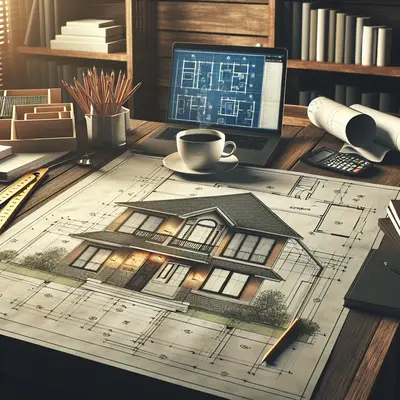
Before you approve a single drawing, ask your designer and contractor to walk you through a “day in the life” storyboard for each key space. How do you enter with groceries? Where do keys, bags, shoes land? What does the room feel like at 7 a.m., 1 p.m., and 9 p.m.? Require plans and 3D views that show not only fixtures and finishes, but choreography: door swings, sightlines from critical spots (sofa, cooktop, desk), and the path of natural light through the day and across the seasons. This storyboard approach often reveals layout conflicts—like a refrigerator door blocking access, a vanity mirror in permanent shadow, or a line of upper cabinets killing a beautiful view—before they become built-in regrets. In premium projects, “we’ll figure it out later” is where cost, time, and patience quietly evaporate.
2. Treat Your Trades Like a Michelin Brigade, Not a Buffet Line
The genius of Gusteau’s kitchen is its brigade system: clear roles, elegant handoffs, no one improvising mid-service. Today’s homeowners, rushing to meet year-end goals and navigating supply-chain delays, often do the opposite—piecemealing trades from whoever is “available next week”. The result: schedule chaos, finger-pointing, and a finish that feels more roadside diner than fine dining.
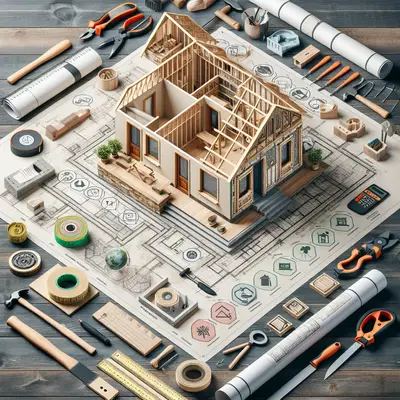
From the outset, insist on a coordinated “brigade” schedule where your general contractor, architect/designer, and key trades (millworker, tile installer, electrician, HVAC, painter) are aligned on both sequence and standards. Ask for:
- A written critical path (what must happen before what).
- Defined “handover moments” (e.g., framing sign-off before rough-in, tile layout approval before cutting begins).
- One person explicitly responsible for quality control and punch lists at each stage.
The premium difference isn’t just hiring “the best.” It’s structuring your project so those experts never have to fix each other’s work or improvise because someone arrived too early—or too late. A renovation that feels effortless is almost always the product of disciplined coordination you never see.
3. Design Surfaces Like a Cinematographer, Not Just a Shopper
People dissecting Ratatouille are rightly obsessed with surfaces: the patina on copper, the glossy tile, the worn stone floors. What makes those details feel luxurious isn’t price alone; it’s how they interact with light, movement, and proximity. Yet in renovation planning, surface choices are too often reduced to brand, color, and cost per square foot.
Upgrade your planning conversation from, “Do we like this slab?” to, “How will this surface perform in this light, at this distance, under this use?” Request mock-ups that consider:
- Lighting direction: How does that honed marble read under downlights vs. wall washers? Will veining create unintended visual “stripes”?
- Viewing distance: That dramatic quartz pattern may be spectacular from three meters away and chaotic from 80 centimeters.
- Patina strategy: Are you embracing future wear (like a French bistro floor) or demanding pristine longevity (like a gallery)? Your maintenance tolerance should inform material selection now, not after the first stain.
This cinematographer’s mindset yields spaces that look elegantly composed in real life and on camera—an essential consideration for homeowners who share their homes on social or rely on their space for professional hosting and content creation.
4. Plan a “Soft Opening” Phase Before You Declare the Project Finished
Restaurants don’t open straight into full service; they run soft openings. Pixar doesn’t release the first edit; it tests and refines. Yet many homeowners treat “substantial completion” as the finish line, only to discover a cascade of small irritations once they truly live in the space.
Build a soft-opening phase into your project plan. For 4–8 weeks after move-in, treat your home like a luxury hotel undergoing final commissioning. During this period:
- Keep a shared digital punch list where every family member can note real-world issues: a door that sticks, a light switch location that feels counterintuitive, a storage zone that never quite works.
- Schedule two formal site visits with your contractor and designer specifically to address lived-in feedback rather than construction defects.
- Reserve a dedicated “post-completion” budget line (often 2–5% of the project) for intelligent refinements, not emergency fixes.
This approach transforms punch lists from adversarial to collaborative—and ensures that you finish not just with a beautiful space, but with one tuned to how you actually live, cook, relax, and entertain.
5. Script Your Splurges With the Discipline of a Producer
Pixar’s production budgets are enormous, but they’re not endless. Every lavish sequence is offset by quiet, economical frames. In the current climate—where construction costs remain elevated and lead times are still volatile—discretionary splurges can quietly derail even well-financed projects if they aren’t planned like line items in a film budget.
Instead of vaguely “upgrading as we go,” define your hero moments in advance: the statement staircase, the chef’s island, the primary shower, the façade lighting. Then make two deliberate decisions for each:
- Where you will unapologetically go all-in (custom millwork, artisan stonework, integrated lighting, or a speciality appliance suite).
- Where you will consciously dial back, choosing restrained, timeless solutions that fade into the background and support the hero element.
Share this hierarchy with your entire project team so they understand where excellence is non-negotiable and where intelligent restraint is the real luxury. When everyone is aligned around a clearly scripted priority list, you’re less vulnerable to impulsive mid-project upgrades that feel exciting in the moment but dilute the overall composition—and your budget.
Conclusion
The renewed fascination with Ratatouille’s hidden details is more than nostalgia; it’s a masterclass in what happens when obsessive planning and creative ambition are treated as equals. Behind every beautifully lit pan and perfectly worn floor is a team that decided, long before rendering a single frame, what the story needed to feel like.
Your renovation deserves that same level of intent. Storyboard how you live. Build a true brigade of aligned experts. Choose surfaces like a cinematographer, not just a shopper. Stage a soft opening to refine the daily experience. Script your splurges with producer-level discipline.
When you plan this way, your home stops being a construction project and starts behaving like a finely directed scene: every element deliberate, every detail supporting the life you want to lead—effortless on the surface, exquisitely orchestrated underneath.
Key Takeaway
The most important thing to remember from this article is that this information can change how you think about Project Planning.