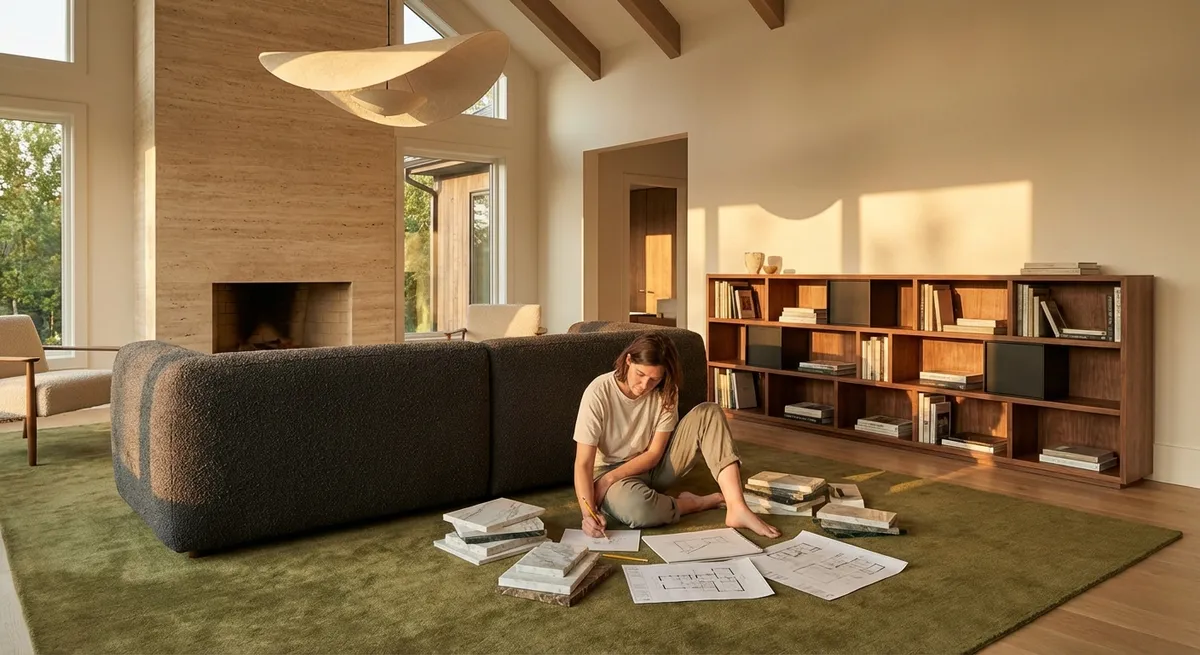
Renovation at the highest level is no longer about conspicuous transformation. It is about the quiet intelligence of choices that allow your home to feel composed, enduring, and tailored to the way you live now—and how you intend to live a decade from now. Instead of chasing what’s “in,” discerning homeowners are seeking what feels inevitable: spaces that function beautifully, age gracefully, and express a calm, confident point of view.
Below are five exclusive, materially grounded insights shaping refined renovations today—subtle but powerful shifts that separate a simply “updated” home from a truly elevated one.
Insight 1: Designing for Rhythms, Not Just Rooms
The most sophisticated renovations no longer begin with a room-by-room checklist; they begin with a map of daily rhythms. Rather than asking, “What should this room be?” the more revealing question is, “How do we move, pause, gather, and retreat over the course of a day?”
This perspective yields decisions that look understated but feel transformative. Circulation paths become wider and more intuitive, allowing two people to move gracefully through a kitchen without the constant choreography of “excuse me.” Thresholds between spaces are softened with cased openings, consistent flooring, or subtle level changes, creating a visual rhythm that feels composed rather than chopped up.
Storage is quietly placed where habits actually occur: concealed charging drawers by the entry instead of a cluttered kitchen counter, tall yet shallow cabinets near the dining area for linens and tableware, a slim closet near the garden door for outdoor shoes and tools. When you design for movement patterns rather than room labels, the home begins to feel almost anticipatory—offering what you need, precisely where and when you need it.
Insight 2: The Rise of “Tactile Neutrality” Over Visual Noise
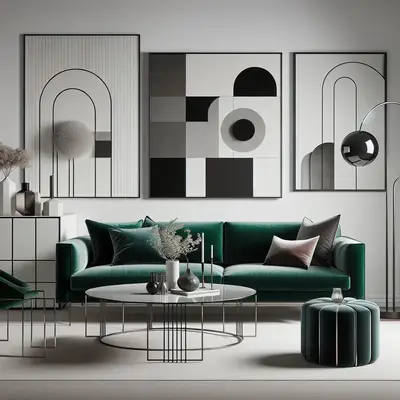
Neutral palettes are not new, but the most elevated renovations are moving beyond simple “all white” minimalism toward something more nuanced: tactile neutrality. Here, the focus is less on color alone and more on the orchestration of touch, temperature, and texture.
Instead of relying on bold surfaces to signify luxury, these homes use quiet, high-performance materials that reward close attention: honed limestone that feels almost powdery underhand, brushed oak with a subtle grain that catches light throughout the day, textiles with depth rather than pattern. The palette may appear restrained at first glance, but the visual calm is layered with tactile richness.
This approach is particularly powerful in kitchens and baths, where hard surfaces dominate. Pairing a matte, ultra-durable porcelain countertop with integrated edges, hand-finished hardware in living metals like unlacquered brass or bronze, and softly rounded profiles on cabinetry creates a sense of understated hospitality. The result is a home that photographs beautifully yet feels even more compelling in person—an important distinction for those investing in long-term value rather than short-lived trends.
Insight 3: Integrated Technology as Invisible Infrastructure
High-end renovations are increasingly treating technology not as a feature to display, but as infrastructure to seamlessly embed. The objective is simple: preserve the visual quiet of the home while elevating comfort, security, and efficiency to a level that feels almost effortless.
Instead of a wall cluttered with switches, dimmers, and thermostats, control is consolidated into discreet keypads or app-based systems that manage lighting scenes, shading, climate, and audio. Heating and cooling equipment is chosen as much for acoustic performance as for efficiency, so that mechanical systems all but disappear from daily awareness. In kitchens, induction cooktops with flush installation, integrated ventilation, and panel-ready appliances maintain visual continuity without sacrificing capability.
This “invisible tech” philosophy also extends to behind-the-scenes planning. Smart wiring for future upgrades, dedicated low-voltage pathways, and reinforced walls for eventual screen placements all protect the renovation against obsolescence. The most considered homes are not aggressively “futuristic”; they are simply prepared, with a quiet backbone of flexibility that supports whatever comes next.
Insight 4: Layered Lighting as Architectural Composition
In refined renovations, lighting is no longer an afterthought; it is treated as a primary architectural tool, shaping both mood and perception of space. The most successful schemes are composed in layers that work together rather than competing for attention.
Ambient lighting provides the base—a consistent, comfortable level of illumination through recessed fixtures placed with restraint, linear cove lights, or ceiling-mounted pieces with sculptural presence. Task lighting is extremely intentional: under-cabinet LEDs that reveal the full depth of a countertop, focused pendants that light the table surface without glare, reading lights precisely located at seating and bedside positions. Then accent lighting adds dimension: picture lights over art, narrow-beam spots grazing a textured wall, concealed LEDs washing the interior of a niche or shelving unit.
Color temperature is calibrated as carefully as a paint color. Warmer light (around 2700K–3000K) fosters intimacy in living spaces and bedrooms, while slightly cooler temperatures may be reserved for functional zones like home offices or utility spaces. Dimmability across all layers ensures the house can shift elegantly from lively gatherings to a quietly luminous evening. When lighting is composed with this degree of intention, even modest rooms acquire a sense of depth and quiet drama.
Insight 5: Purposeful Flexibility, Not Generic “Open Plan”
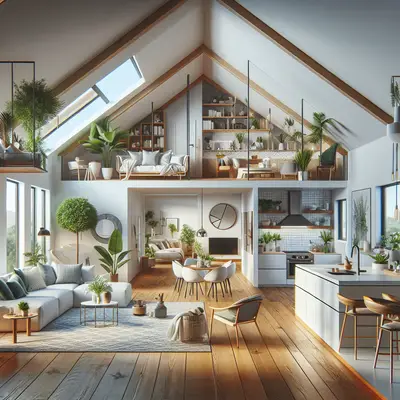
The era of indiscriminate open-plan living is giving way to a more curated idea of flexibility—spaces that can adapt but never feel vague. High-end renovations are favoring configurations that allow for privacy, acoustic comfort, and defined experiences, while still feeling connected.
Instead of one continuous expanse, sightlines are controlled through partial walls, framed openings, interior windows, and strategically placed built-ins that act as both storage and subtle dividers. A dining area might be subtly anchored with a ceiling treatment, rug, and lighting cluster, even though it flows from the kitchen. A home office may be enclosed with steel-framed glass doors that preserve light and connection while offering acoustic separation.
The most successful flexible spaces are designed with explicit “primary identities” and a few well-considered alternative modes. A guest room that becomes a thoughtful library most days of the year, with integrated shelving and a concealed wall bed. A media room that converts to a secondary entertaining space, with built-ins that hide screens and equipment when not in use. This kind of purposeful adaptability respects both the realities of contemporary living and the desire for a home that always feels intentional, never improvised.
Conclusion
Renovation at a premium level is less about spectacle and more about precision: the calibrated relationships between movement and space, texture and light, technology and discretion, flexibility and clarity of purpose. When these elements are considered together, a home stops feeling like a collection of upgraded rooms and starts to function as a cohesive, deeply livable environment.
For homeowners planning their next renovation, the most valuable investment is not in any single feature but in this underlying design intelligence—choices that may read as quiet, yet accumulate into a home that feels effortlessly elevated every day.
Sources
- American Institute of Architects (AIA) – Home Design Trends Survey – Insights into evolving residential design priorities and homeowner preferences
- Harvard Joint Center for Housing Studies – Improving America’s Housing – Research on renovation spending, motivations, and long-term value
- U.S. Department of Energy – Energy Saver: Lighting Choices – Technical guidance on efficient, layered residential lighting strategies
- National Kitchen & Bath Association (NKBA) – Design Trends Research – Data-driven analysis of current and emerging kitchen and bath trends
- MIT School of Architecture + Planning – Design and Computation Research – Explorations of how technology and design intelligence shape contemporary built environments
Key Takeaway
The most important thing to remember from this article is that this information can change how you think about Design Trends.