Renovation, at its most considered, is less about adding “more” and more about orchestrating atmosphere—editing space, light, and texture with precision. For homeowners ready to invest thoughtfully, the most compelling design trends are not loud statements, but quiet recalibrations that change how a home is experienced hour by hour. Rather than chasing the latest look, these emerging directions focus on longevity, sensory richness, and a subtle sense of luxury that reveals itself over time. Below are five exclusive insights that speak to that cultivated, enduring approach—each one a lens through which to shape a renovation that feels both deeply current and gracefully timeless.
From Open Plan to Layered Domains
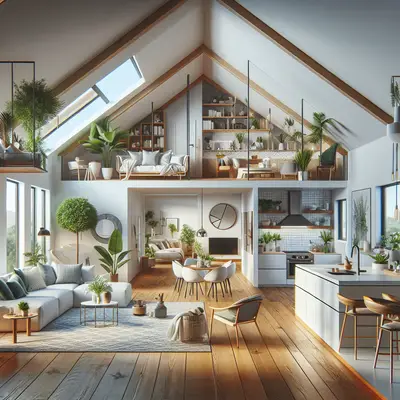
The once-unquestioned open-plan layout is evolving into a more nuanced, layered approach to space. Homeowners are rediscovering the power of implied boundaries—glass partitions, wide cased openings, pocket doors, and changes in ceiling height—to create domains that feel connected yet purposefully distinct. The objective is not to carve the home into small rooms, but to create gently defined zones where work, rest, and gathering each have an appropriate backdrop.
This shift is driven partly by the realities of hybrid work and multi-generational living, but it also reflects a more sophisticated understanding of comfort. Layered domains allow for varied lighting levels, acoustics, and material palettes tuned to each function, from a cocooned reading niche to a luminous cooking space that still converses with the dining area. Renovations that embrace this trend often reframe circulation: hallways become gallery-like connectors, thresholds are celebrated with subtle changes in flooring or millwork, and corners are claimed for intentional uses instead of left as dead space. The result is a home that reads as open and generous, yet supports privacy, focus, and ritual with quiet precision.
Material Quietude: Understated Luxury Through Texture
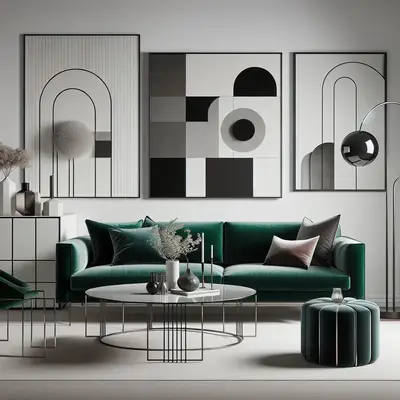
The most persuasive expression of luxury in current design is not ostentatious finishes, but an almost meditative calm in the material palette. Rather than competing surfaces and high-shine accents, sophisticated renovations are leaning into “material quietude”—a restrained selection of finishes where texture, not pattern, does the visual work. Think honed stone instead of polished, brushed metals over mirror-bright chrome, and finely grained woods that age gracefully.
This approach does not reject richness; it simply channels it more thoughtfully. A single slab of veined marble on a vanity can feel dramatically elevated when surrounded by matte plaster walls and discreet fixtures. Wide-plank flooring in a subtly smoked oak can anchor an entire level of the home without shouting for attention. By limiting the number of dominant materials and repeating them across spaces, homeowners create a sense of visual continuity that feels both calming and unmistakably high-end. In practice, this might mean carrying a single stone from the kitchen countertop into a fireplace surround, or echoing the same metal finish in cabinet hardware, door levers, and lighting details. Over time, this material discipline yields a home that feels cohesive, intentional, and quietly luxurious.
Light as Architecture: Sculpting the Day
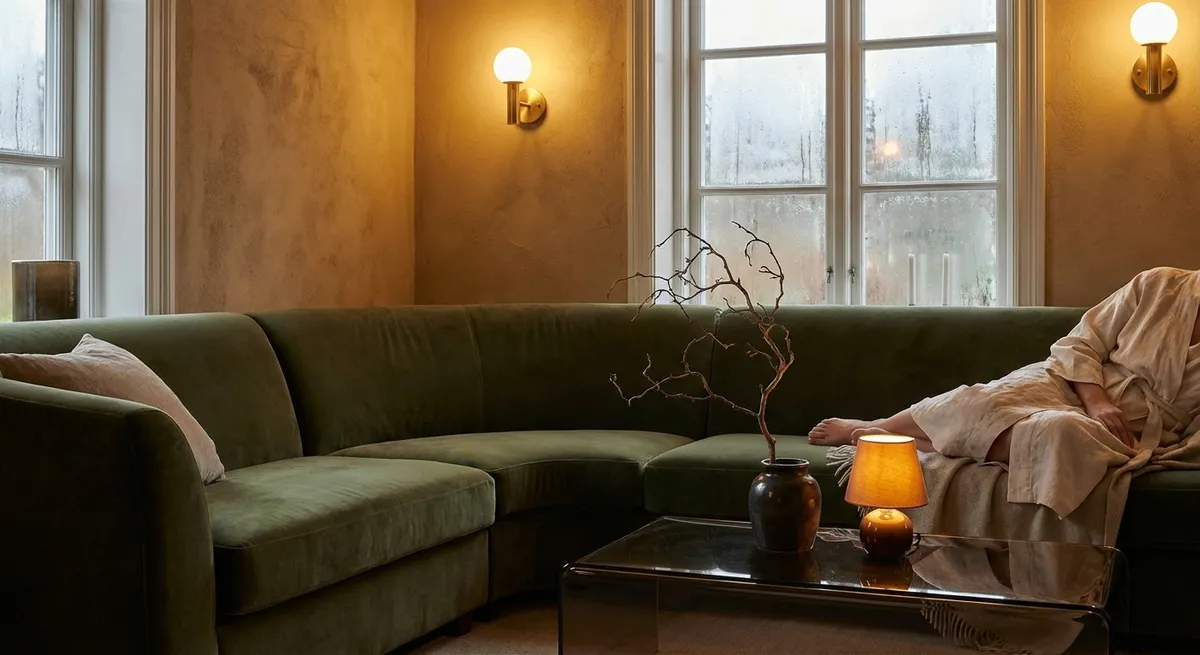
Lighting in refined renovations is no longer treated as an afterthought or a simple functional necessity. It is being elevated to the level of architecture itself—planned early, layered meticulously, and used to choreograph how each space feels from morning to night. The most successful schemes combine three components: maximized natural light, tailored ambient lighting, and sculptural moments that act almost as art installations.
Renovations that treat light as a primary design tool often begin with re-evaluating openings: enlarging windows while maintaining proportion, introducing transoms to borrow light between rooms, or adding minimal-framed glass doors that extend sightlines to the landscape. Inside, homeowners are favoring smaller, more intentional sources of light over uniform grids of recessed downlights. Wall washers highlight art or textured plaster, low-level step or toe-kick lighting creates a subtle nighttime glow, and dimmable fixtures allow each zone to shift from energetic to intimate with a single adjustment. Thoughtful control systems—often app-based—enable scenes that respond to time of day or activity, ensuring that the home feels gently invigorating in the morning and effortlessly softened in the evening. In a well-conceived renovation, the lighting plan becomes as integral to the home’s character as its cabinetry or flooring.
The Elevated Everyday: Designing for Ritual, Not Occasion
A defining trend among discerning homeowners is the move away from “showpiece” rooms reserved for rare occasions and toward spaces optimized for daily ritual. Instead of formal dining rooms that sit unused, renovations are prioritizing generous, flexible dining zones near natural light, with storage tailored to the way the household actually entertains. Similarly, spa-like bathrooms are no longer conceived as indulgent extras, but as intentional wellness environments integrated into the fabric of everyday life.
Designing for ritual means working backward from lived patterns: where you place your keys, how you start the morning, what evenings at home realistically look like. It might take the form of a coffee and tea station discretely built into a kitchen niche, a mudroom outfitted more like a boutique wardrobe than a utilitarian drop zone, or a primary suite with a small, upholstered seating area designed explicitly for reading rather than a television. The details are calibrated toward gracious function: drawers with integrated charging, concealed laundry solutions that encourage tidiness, and built-in bench seating that turns transitional spaces into usable moments. Renovations that focus on elevating these micro-routines create homes that feel consistently indulgent without being performative—luxury expressed through ease rather than spectacle.
Nature, Interpreted: A Refined Connection to the Outdoors
Biophilic design has moved beyond the simple addition of houseplants into a more layered, architectural integration of nature. In sophisticated renovations, the goal is not to imitate the outdoors literally, but to interpret its qualities—variation, tactility, calm—within a curated interior framework. This begins with orientation: aligning key spaces to capture morning or evening light, framing specific views rather than simply maximizing glass, and using landscaping to create depth and privacy just beyond windows and terraces.
Inside, the connection to nature is expressed through both materials and composition. Natural wood, stone, and plaster are deployed with restraint, allowing their irregularities to become quiet focal points. Color palettes nod to the landscape in muted ways—warm neutrals, complex greens, and soft mineral tones that shift subtly with the light. Textiles introduce organic weaves and tactile softness without overt patterns that date quickly. Where space allows, renovations increasingly prioritize transitional zones like covered loggias, screened porches, or operable walls that dissolve the boundary between interior and exterior on temperate days. Even in urban settings, smaller gestures—window gardens, integrated planters, and carefully chosen views—imbue the home with a sense of respite. The result is an environment that feels grounded and restorative, even in the midst of a busy life.
Conclusion
Renovating with discernment today is less about replicating a recognizable style and more about cultivating a personal, enduring atmosphere. Layered domains, quiet materials, architectural light, ritual-focused layouts, and a refined relationship to nature are not passing fashions; they are frameworks for living well. When these insights guide your renovation, each decision—whether visible at first glance or discovered only after years of daily use—contributes to a home that feels coherent, composed, and deeply attuned to the people who inhabit it. The true measure of a sophisticated renovation is not how loudly it announces itself, but how effortlessly it supports a life lived with intention.
Sources
- Harvard Joint Center for Housing Studies – Improving America’s Housing 2023 – Data and analysis on renovation trends and homeowner priorities.
- American Institute of Architects (AIA) – Home Design Trends Survey – Insights into emerging residential design directions, including layout and amenity shifts.
- U.S. Department of Energy – Daylighting – Guidance on using natural light effectively in home design and renovation.
- MIT School of Architecture + Planning – Light and Material Studies – Research and academic perspectives on the interaction of light, material, and space in architecture.
- Terrapin Bright Green – 14 Patterns of Biophilic Design – Foundational framework for integrating nature and biophilic principles into interior environments.
Key Takeaway
The most important thing to remember from this article is that this information can change how you think about Design Trends.