Renovation, at its most refined, is less about spectacle and more about orchestration. The most compelling homes today feel composed rather than decorated—quietly confident, functionally exacting, and visually restrained in ways that allow daily life to take center stage. For homeowners planning a renovation, understanding the subtler currents of design—not just fleeting trends—can be the difference between a home that feels “updated” and one that feels enduringly precise.
Below are five exclusive, insight‑driven directions shaping sophisticated residential design now, with a focus on how to translate them into an intelligent renovation brief.
1. From Open-Plan to “Layered Living” Layouts
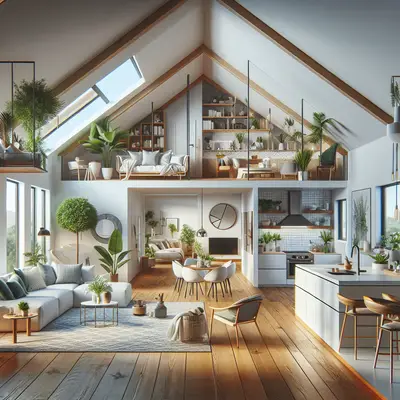
The once-aspirational, fully open-plan home is giving way to what many designers now describe as “layered living”: spaces that feel continuous, yet are deliberately calibrated for varied modes of use—focus, hospitality, rest, and retreat.
Instead of knocking down every wall, discerning renovators are opting for partial separations: wide cased openings, steel-framed glass partitions, pocket doors, and millwork “thresholds” that visually connect spaces while gently zoning them. A kitchen might borrow light and sightlines from a living room, but gain acoustic and olfactory control through discreet, full-height sliders.
During planning, it is worth mapping your day in granular detail: where do you read, decompress, answer emails, entertain, or eat alone? Translate those behaviors into spatial zones, then work with your designer to define degrees of separation: fully open, filtered (glass or shelving), semi-enclosed (wide openings), or fully enclosed. The result is a floor plan that remains airy yet intentionally choreographed—future-proofed against evolving work patterns and family structures.
2. The Rise of “Material Quiet”: Subtle, High-Integrity Finishes
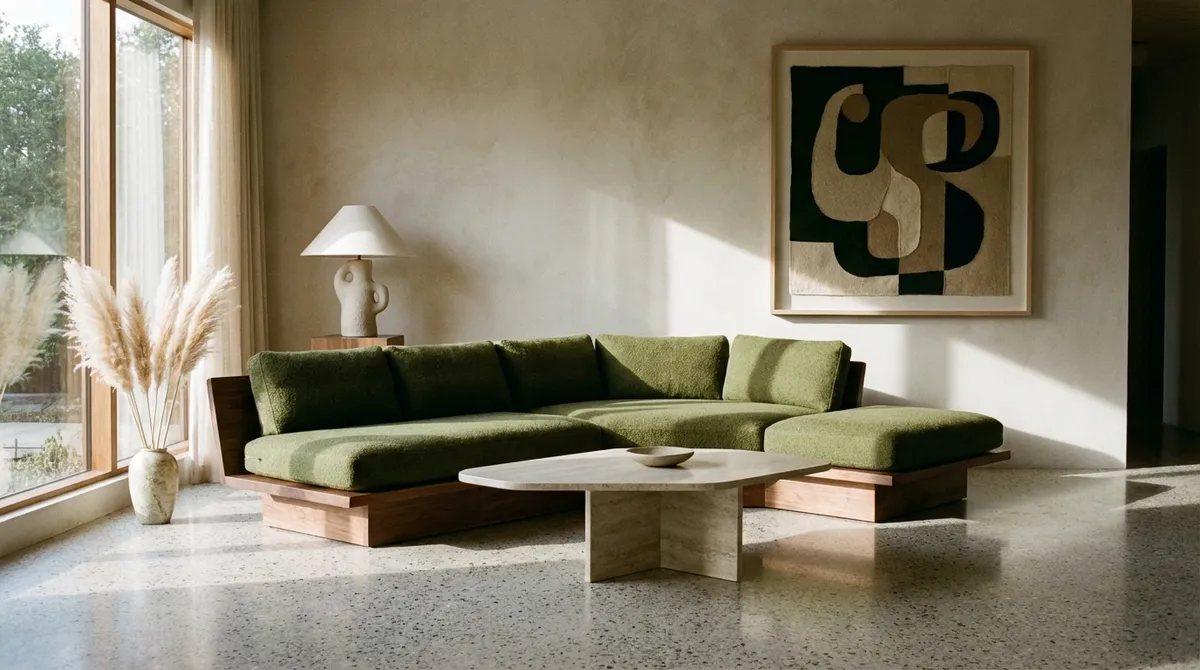
In sophisticated renovations, materials are no longer chosen simply to impress at first glance; they are selected to patinate well, tolerate real life, and register as calm even under changing light conditions. This “material quiet” is achieved through tactility, nuance, and restraint rather than ostentation.
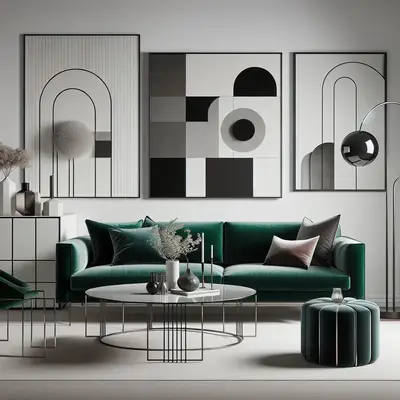
Think honed stone over high-gloss, limewash or mineral paints over plastic-like sheens, quarter-sawn wood with subtle grain rather than aggressive figure, and hardware in softly brushed finishes that develop character with use. The most successful palettes are reduced but layered: a stone that subtly echoes the undertone of the floor, a cabinet color tuned to the warmth of your daylight, metal finishes that don’t shout but harmonize.
A useful test: photograph material samples on your phone at different times of day—morning, midday, evening. Surfaces that remain visually calm and tonally consistent despite changing light will feel more composed in the long term. This discipline guards against trend-driven choices (like aggressively veined stone or hyper-saturated cabinet colors) that can fatigue the eye and date quickly.
3. Kitchen as Architectural Furniture, Not Appliance Showcase
Leading-edge kitchen design is moving away from the “culinary command center” aesthetic—rows of dominant appliances and conspicuous hardware—and toward something more akin to architectural furniture: visually serene, integrated, and almost gallery-like in its restraint.
Appliances are increasingly concealed or visually demoted: panel-ready refrigerators, induction cooktops that disappear into counters, downdraft or ceiling-integrated ventilation, and dishwashers hidden behind continuous fronts. Tall storage is consolidated into full-height cabinetry walls, allowing the remainder of the kitchen to read as horizontal, low, and open. Islands are designed as sculptural objects—monolithic stone blocks, fluted wood volumes, or slim planes floating above recessed plinths.
For a renovation, the key is to decide early whether the kitchen is meant to be a “room” or a “piece of architecture.” If your kitchen is open to living spaces, favor integrated fronts, continuous planes, and a limited material palette so it reads more like bespoke furniture. If it is a separate room, consider one bold architectural gesture—a stone-wrapped island, a full-height cabinetry wall, or an elegantly framed cooking niche—rather than scattering attention across many small design moves.
4. Light as a Primary Design Medium, Not a Last-Minute Layer
In truly refined renovations, light—both natural and artificial—is treated as a core architectural element, not an afterthought. The way daylight enters, moves across surfaces, and recedes at night now shapes everything from window placement to paint finishes and ceiling design.
Homeowners are investing in strategic glazing rather than maximal glass: carefully placed corner windows to capture tree canopies, high clerestories for privacy and sky views, and deep window reveals that create shadow play and display ledges. Artificial lighting is becoming more layered and subdued: architecturally integrated linear LED, low-glare recessed fixtures, wall washers for art and texture, and a curated mix of decorative pieces that feel like jewelry rather than utility.
During planning, determine three light “moods” for each key space: functional (task), atmospheric (evening), and focused (art or architectural features). Then ensure your electrical plan supports all three with dimmable circuits and discrete control zones. This avoids the common pitfall of over-reliance on a grid of ceiling downlights, which can flatten a carefully designed space and diminish material nuance.
5. Wellness and Longevity Embedded, Not Branded
The most sophisticated homes are quietly health-conscious: they prioritize air, light, acoustics, and ergonomic comfort without resorting to obvious “wellness” gimmicks. Renovations are an ideal moment to embed these considerations at a structural level, where they are both more effective and more aesthetically seamless.
On a practical level, that means ventilation systems optimized for air quality, low- or no-VOC paints and finishes, and insulation strategies that improve both thermal comfort and sound attenuation. It might also include wisely positioned operable windows for cross-ventilation, radiant floor heating for tactile comfort, and thoughtful transitions—seating heights, stair proportions, and hardware that feels good in the hand.
Rather than designing solely for present needs, consider “longevity moves” that protect your future self: curbless showers with discreet linear drains, wider clearances around key circulation paths, blocking in walls for future grab bars, and well-placed railings that feel like design gestures rather than medical interventions. When integrated from the outset, these decisions read as refinement, not accommodation.
Conclusion
Renovation that aspires to more than novelty requires a different lens: one that views space as a sequence of experiences, materials as long-term companions, and “trends” as indicators of deeper shifts in how we live. Layered layouts, quiet materials, furniture-like kitchens, orchestrated light, and embedded wellness are not momentary fashions; they are strategic responses to contemporary life, executed with precision.
For homeowners, the opportunity lies in asking better questions at the briefing stage: How should this home feel at 7 a.m. on a weekday? Where does my eye rest when I enter a room? What will still feel appropriate here in fifteen years? When you align design decisions with those kinds of questions, the result is a home that feels not just current, but deeply, enduringly considered.
Sources
- Harvard Joint Center for Housing Studies – Improving America’s Housing - Data and analysis on renovation patterns and homeowner priorities
- American Institute of Architects (AIA) – Home Design Trends Survey - Professional insights into evolving residential design trends
- U.S. Department of Energy – Energy Saver - Guidance on efficient home design, daylighting, and envelope strategies
- Mayo Clinic – Indoor Air Quality - Discussion of indoor air quality and health, relevant to material and ventilation choices
- Parsons School of Design – Lighting Design Overview - Context on the role and impact of lighting design in shaping interior experience
Key Takeaway
The most important thing to remember from this article is that this information can change how you think about Design Trends.