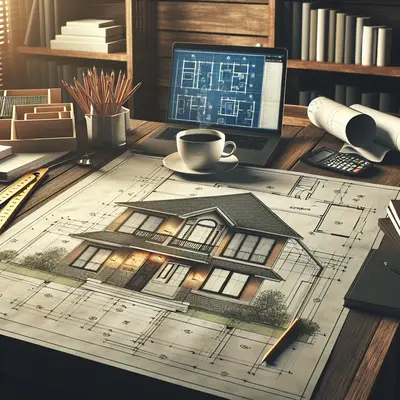
Renovation, at its best, is not a flurry of decisions but a composed sequence of deliberate moves. The most elegant homes are rarely the result of impulsive choices; they emerge from meticulous project planning that respects time, capital, and the subtleties of daily life. For homeowners who view their residence as an evolving asset and an intimate sanctuary, planning is not a bureaucratic hurdle—it is the quiet architecture that allows beauty, function, and value to coexist.
Below, you’ll find five exclusive, planning-focused insights that elevate a renovation from merely “well done” to impeccably orchestrated.
Designing the Renovation Arc: From Concept to Completion
Before a single wall is opened, your project needs a narrative arc—a clear sequence from initial intent to final handover. Exceptional planning begins by defining not just what you want to change, but why and in what order it should unfold.
An elegant renovation arc typically starts with strategic investigation: assessing existing infrastructure, structural capacity, and any constraints imposed by building codes or homeowners’ associations. From there, you progress to conceptual design, where parameters such as budget, timeline, and structural realities are translated into refined design directions rather than vague aspirations.
Next comes detailed documentation—drawings, specifications, and scopes of work that remove ambiguity for every professional involved. Only once this foundation is in place should you lock in your construction schedule, procure long-lead items, and coordinate trades. This sequencing protects your home from chaos, reduces rework, and preserves the integrity of your design intent as the project advances.
Exclusive Insight 1: Curate a “Decision Hierarchy” Before You Begin
Sophisticated renovations often derail not from poor taste, but from decision fatigue. To avoid this, establish a “decision hierarchy” long before demolition day.
Start by identifying the decisions that have the greatest downstream impact—structural changes, window locations, mechanical layouts, and lighting architecture. These choices guide everything that follows: millwork design, furniture placement, fixture selection, and even art installation. Once your hierarchy is clear, map decisions into stages: what must be finalized at design development, what must be locked before framing, and what can remain flexible until finishes.
This structured approach reframes the process: you are not “picking things” at random but resolving decisions in a logical cascade. The result is a renovation that feels intentional rather than patched together—even if you need to adjust along the way.
Exclusive Insight 2: Plan Around Energy, Light, and Acoustics—Not Just Aesthetics
Truly elevated planning looks beyond what the eye sees and accounts for how a home feels and performs over decades.
Energy performance: Early in planning, coordinate with your architect, contractor, and HVAC designer to discuss insulation, window specifications, air sealing, and mechanical zoning. These decisions significantly influence operating costs, comfort, and long-term value. Upgrading building envelope elements is exponentially easier when walls and ceilings are already open.
Light: Consider natural light pathways throughout the day. Where will morning light be welcome? Where might afternoon glare be unwelcome? Planning for window placements, treatments, and layered lighting (ambient, task, and accent) at the design phase ensures your home feels serene and functional, not overlit or underlit.
Acoustics: Sound is rarely prioritized, yet it profoundly shapes your experience at home. Think about where noise originates (mechanical rooms, kitchens, entertainment areas) and where quiet is essential (bedrooms, studies). Addressing wall assemblies, insulation types, door quality, and mechanical isolation within your project plan can create a more composed, restful environment without visual compromises.
Exclusive Insight 3: Treat Time as a Design Material, Not a Constraint
Homeowners often perceive schedule as a necessary evil—something to compress and negotiate. Instead, approach time as an integral design material that you allocate with intention.
During planning, identify which phases deserve additional time: the early discovery period for uncovering hidden conditions; the design refinement phase where you calibrate details; the mock-up and sample review stage; and the final punch-list phase to resolve imperfections. Build these into your preliminary schedule, then protect them.
Similarly, recognize that certain materials and fixtures—custom millwork, specialty stones, architectural lighting—have long lead times that must be integrated into your plan from day one. When your schedule respects these realities, you avoid hasty substitutions and preserve the quality you set out to achieve. A well-planned timeline doesn’t simply “finish on time”; it creates the space for excellence.
Exclusive Insight 4: Establish Governance, Not Just a Budget
Most renovations have a budget; very few have true financial governance. For a refined project, you need more than a number—you need a structure.
Set three financial parameters at planning stage:
- Core Investment Envelope – The amount you are willing to allocate to essential construction and core systems (structure, mechanical, electrical, plumbing, windows, building envelope).
- Design Elevation Allowance – A dedicated allocation for the elements that define your aesthetic standard: bespoke cabinetry, premium surfaces, statement lighting, and key fixtures.
- Strategic Contingency – A reserved portion (often 10–20%, depending on project type and existing conditions) to absorb surprises and, occasionally, to seize unexpected opportunities (such as upgrading an element once walls are open).
Then decide how decisions are approved. Who signs off on scope changes? At what financial threshold is a formal review required? Where are change orders tracked, and how frequently will you review forecasts against the original plan? This governance model transforms your renovation from an open-ended spend into a disciplined investment.
Exclusive Insight 5: Orchestrate Stakeholders as a Cohesive Ensemble
A refined renovation is as much about people as it is about materials. Early, thoughtful orchestration of your project team can substantially improve the experience and the outcome.
During planning, identify all stakeholders: architect or designer, general contractor, key trades, structural engineer, landscape designer, and any specialty consultants (lighting, audio-visual, home automation, sustainability). Clarify roles and communication channels before work begins. Who leads coordination? Who maintains the master schedule? Where are project documents stored? How often will site meetings occur, and who must attend?
Equally important is aligning everyone around a shared standard of quality and etiquette within your home. If you still occupy the property during construction, discuss access protocols, work hours, cleanliness expectations, staging zones, and noise-sensitive periods. This level of forethought elevates your project from a typical renovation site to a well-run, respectful operation.
Conclusion
Project planning is the disciplined, often invisible layer that allows a renovation to feel seamless, cohesive, and enduring. When you curate a deliberate decision hierarchy, account for performance as carefully as aesthetics, treat time as an ally, govern your investment with intention, and orchestrate your team like an ensemble, you elevate your renovation from functional upgrade to enduring refinement.
The most sophisticated homes do not happen by accident. They are the result of homeowners who choose to plan with the same care they bring to every other meaningful investment in their lives.
Sources
- U.S. Department of Energy – Energy Saver: Home Improvement & Repairs – Guidance on planning energy-efficient upgrades during renovations
- U.S. Environmental Protection Agency – Indoor Air Quality in Homes – Explains health and comfort considerations relevant to planning building envelope and mechanical work
- Harvard Joint Center for Housing Studies – Improving America’s Housing – Research and data on remodeling trends, spending, and strategic considerations for homeowners
- American Institute of Architects (AIA) – Working with an Architect – Outlines roles, expectations, and coordination best practices for design professionals on renovation projects
- National Association of Home Builders – Budgeting for Home Remodeling – Offers frameworks and guidance for establishing renovation budgets and contingencies
Key Takeaway
The most important thing to remember from this article is that this information can change how you think about Project Planning.