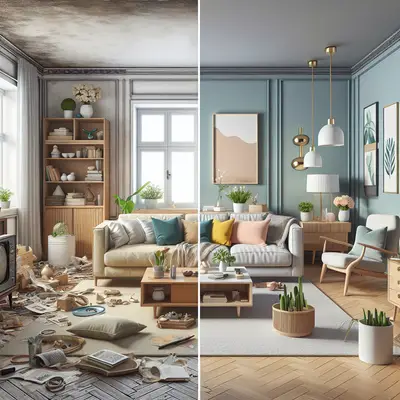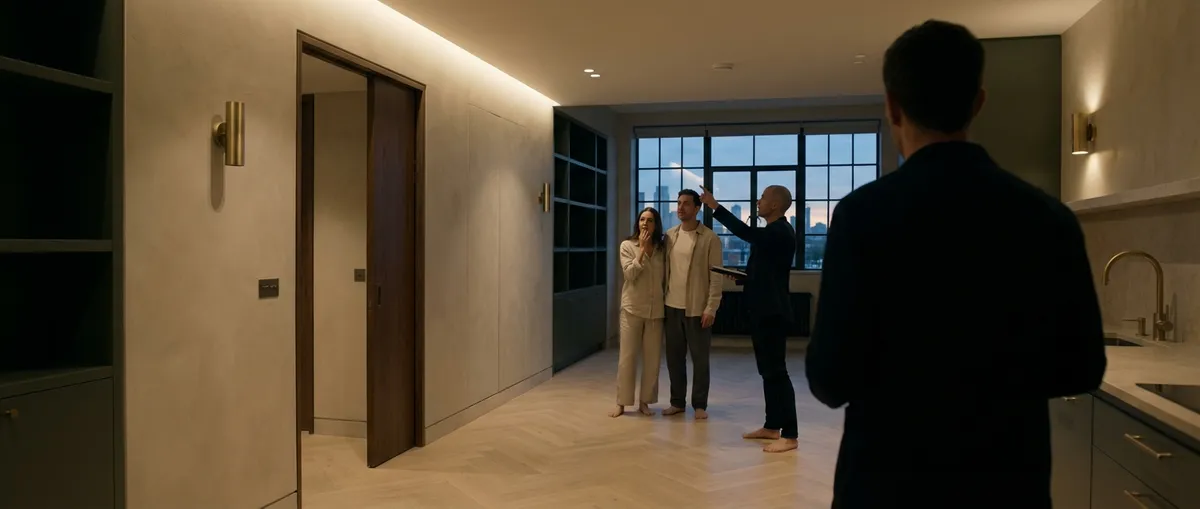
Renovations that feel genuinely elevated rarely announce themselves with spectacle. They reveal their quality in quiet moments: the way morning light lands on a wall, the ease with which storage disappears into architecture, the silence of a well-insulated room in a noisy city. For homeowners planning a renovation, the difference between “well done” and “quietly extraordinary” often lies in decisions that never make the mood board. These are the refined, structural, and strategic moves that don’t photograph as easily as a marble island—but define how your home feels and functions every day.
Below are five exclusive, often overlooked insights that sophisticated renovators deploy early. They are less about spending more, and more about knowing precisely where to invest so your renovation ages gracefully, performs beautifully, and feels effortlessly cohesive.
1. Design the Day, Not Just the Room
Most renovations begin with a list of spaces: kitchen, primary suite, home office. Discerning renovators begin instead with a choreography of daily life. They map how mornings unfold, where work actually happens, what evenings require, and how weekends differ from weekdays—and then allow the floor plan, sightlines, and storage to serve those patterns.
Imagine a kitchen renovation that starts not with finishes, but with a “morning ritual path”: from bedroom to coffee to quiet light and a place to read or check email. This small narrative immediately influences outlet placement, seating, window treatments, and even acoustics. The same thinking applies to transitions: how you move from public to private spaces, where bags and parcels land, how guests flow without crossing into your work zone, how children’s activities disperse noise.
To make this tangible, write out three or four “daily scripts”: a weekday morning, a typical evening, a weekend with guests, a work-from-home day. Share these with your architect or designer as seriously as you share inspiration images. You’re not merely renovating rooms—you’re curating sequences of experience. When the plan is built around these lived scripts, finishes become the refinement, not the rescue.
2. Let Light Become an Architectural Material
Natural light is often treated as a passive blessing—something you either have or you don’t. In refined renovations, light is treated as an architectural material, shaped as deliberately as stone or wood. The goal is not simply “more light,” but edited light: directional, layered, and responsive to different moods and times of day.
Begin by studying your home over the course of a full day. Where does the harshest midday light land? Where does dusk feel flat? Where do you have beautiful but underused soft light in the morning or late afternoon? Use this observation to guide window enlargements, internal openings, and even partial walls of glass or interior glazing that borrow light from brighter rooms.
Layered artificial lighting is equally crucial. Elevated projects specify a hierarchy: concealed ambient lighting to wash walls or ceilings, targeted task lighting in zones of focus, and accent lighting to dramatize texture or art. Thoughtfully placed, dimmable lighting can change the emotional temperature of a space without moving a piece of furniture.
Finally, treat window treatments as part of the architectural language, not an afterthought. Sheers that filter harsh light, lined panels that create cocoon-like intimacy at night, and well-designed shading for solar control can transform both comfort and perceived luxury. Light management, done well, is the difference between a room that photographs elegantly and one that lives elegantly.
3. Hide Complexity in Plain Sight
The most luxurious interiors often look deceptively simple. That simplicity is almost always the product of careful concealment: of wiring, storage, mechanical systems, and daily clutter. This is not about minimalism; it is about orchestrating complexity so that your home feels composed rather than visually noisy.
Consider storage as architecture rather than cabinetry. Wall planes that open seamlessly, full-height doors without visible hardware, integrated panels that mask appliances and utility zones—these moves allow daily objects to vanish when not in use. In smaller homes especially, building storage into wall thicknesses, under stairs, or along circulation paths frees central spaces to feel generous and unencumbered.
Infrastructure deserves the same intentionality. Plan media, data, and power early, with dedicated chases or conduit for future technology upgrades. Conceal audio, routers, and security equipment within ventilated millwork instead of sacrificing visible surfaces later. Specify access panels that integrate discreetly into ceilings or walls so maintenance never requires tearing into finished surfaces.
The quiet test of a refined renovation is this: when everything is in its place and the home is “ready,” do your eyes rest on form, material, and light—or on outlets, cords, and ad hoc storage solutions? The answer is usually determined months earlier, in the technical drawings most homeowners never think to interrogate.
4. Elevate Acoustics to a First-Class Priority
Sound is one of the most underestimated dimensions of luxury. A visually exquisite space that echoes, carries every conversation, or transmits street noise is never truly serene. Acoustics should be considered as early—and as seriously—as layout or finishes, especially in open-plan homes, multi-story spaces, or urban settings.
There are two parallel goals: controlling sound travel (between rooms and floors) and refining sound character (within each room). For the first, thoughtful wall and floor assemblies, resilient channels, and quality insulation can dramatically improve privacy between bedrooms, bathrooms, and living spaces. Solid-core doors, carefully sealed, contribute more to perceived quiet than many decorative upgrades combined.
Within rooms, softness and texture become strategic tools rather than mere decoration. Area rugs, upholstered panels, curtains, bookshelves, even subtly textured plaster can all help break up reflections and tame harshness. In kitchen–living spaces, consider strategic ceiling treatments or acoustic panels disguised as artwork to keep dinner conversations comfortable rather than fatiguing.
For media rooms or music lovers, prioritize pre-wiring and speaker placement alongside acoustic treatment. A space where music is rich but doesn’t leak into bedrooms, or where a movie can be enjoyed without disturbing someone working nearby, feels unmistakably premium. Sound, when mastered, is an invisible layer of comfort that guests may not identify—but will absolutely feel.
5. Specify for Longevity, Not Just Impact
The most sophisticated renovations are designed not just to impress on completion day, but to hold their integrity ten years on. This requires a quiet discipline around materials, systems, and details: an insistence on durability, maintainability, and graceful aging over immediate drama.
Begin with surfaces that will see real wear: flooring, countertops, hardware, and plumbing fixtures. Ask, explicitly, how they age. A honed stone that develops a soft patina, a high-quality engineered wood with a respectable wear layer, or solid hardware that can be refinished over time is often a wiser choice than a fragile “statement” material that looks tired after a few years. The most refined homes often lean toward materials that accept use as part of their beauty.
Mechanical systems deserve the same scrutiny. An efficient, well-zoned HVAC system, robust insulation, and high-performance windows may not command attention on social media, but they shape daily comfort and long-term costs. Smart-home elements should be selected from ecosystems with proven support and upgradability rather than the latest novelty; obsolescence is the enemy of quiet luxury.
Finally, insist on details that support maintenance: removable covers, accessible valves, finishes that can be touched up, and manufacturer lines with continuity so components can be replaced rather than fully redone. A renovation that anticipates the future—your future habits, technologies, and tastes—feels less like a project and more like a foundation for the next chapter of your life in the home.
Conclusion
A truly exceptional renovation is less about showmanship and more about foresight. It weaves daily routines into the floor plan, sculpts light with intention, hides complexity behind quiet surfaces, orchestrates sound like a fine instrument, and privileges longevity over fashion. These are the disciplines that rarely appear on inspiration boards, yet they are precisely what distinguish a space that merely looks elevated from one that lives elevated.
As you plan your own renovation, treat these five insights as a private brief: a layer beneath the visible design language that will guide where you ask more questions, where you invest more thoughtfully, and where you refuse to compromise. The result is not just a beautiful home, but a home that feels uncannily attuned to the way you live—today and many years from now.
Sources
- [U.S. Department of Energy – Energy Saver: Windows, Doors and Skylights](https://www.energy.gov/energysaver/windows-doors-and-skylights) - Authoritative guidance on high-performance glazing, insulation, and strategies to enhance comfort and efficiency in renovations
- [Harvard Joint Center for Housing Studies – Improving America’s Housing](https://www.jchs.harvard.edu/research/improving-americas-housing) - Research on renovation trends, long-term investment value, and how homeowners allocate spending in major projects
- [American Institute of Architects (AIA) – Residential Design Resources](https://www.aia.org/resources/6077662-residential-design) - Professional insights into planning, spatial organization, and integrating performance with aesthetics in residential design
- [Mayo Clinic – Noise: How It Affects Your Health](https://www.mayoclinic.org/healthy-lifestyle/adult-health/in-depth/noise/art-20046338) - Explores the impact of noise on well-being, underscoring the importance of acoustic comfort in the home
- [International WELL Building Institute – WELL Building Standard Concepts](https://standard.wellcertified.com/well) - Framework connecting light, sound, comfort, and materials to occupant health and experience, relevant to high-caliber residential renovations
Key Takeaway
The most important thing to remember from this article is that this information can change how you think about Home Renovation.