Luxury renovation has moved far past marble countertops and statement chandeliers. Today’s most sophisticated homes are defined by nuance: the way light moves through a room, how materials age over time, and how spaces quietly anticipate the needs of their owners. The new language of high-end design is less about display and more about orchestration—of comfort, of function, of atmosphere.
For homeowners planning a renovation, understanding these subtler currents is no longer optional. It’s the difference between a space that merely looks expensive and one that feels deeply, almost invisibly, considered. The following insights reveal where discerning clients and top-tier designers are truly investing their attention—and why these decisions will continue to hold their value long after the latest trend fades.
1. The New Centerpiece: Architectural Light As A Design Material
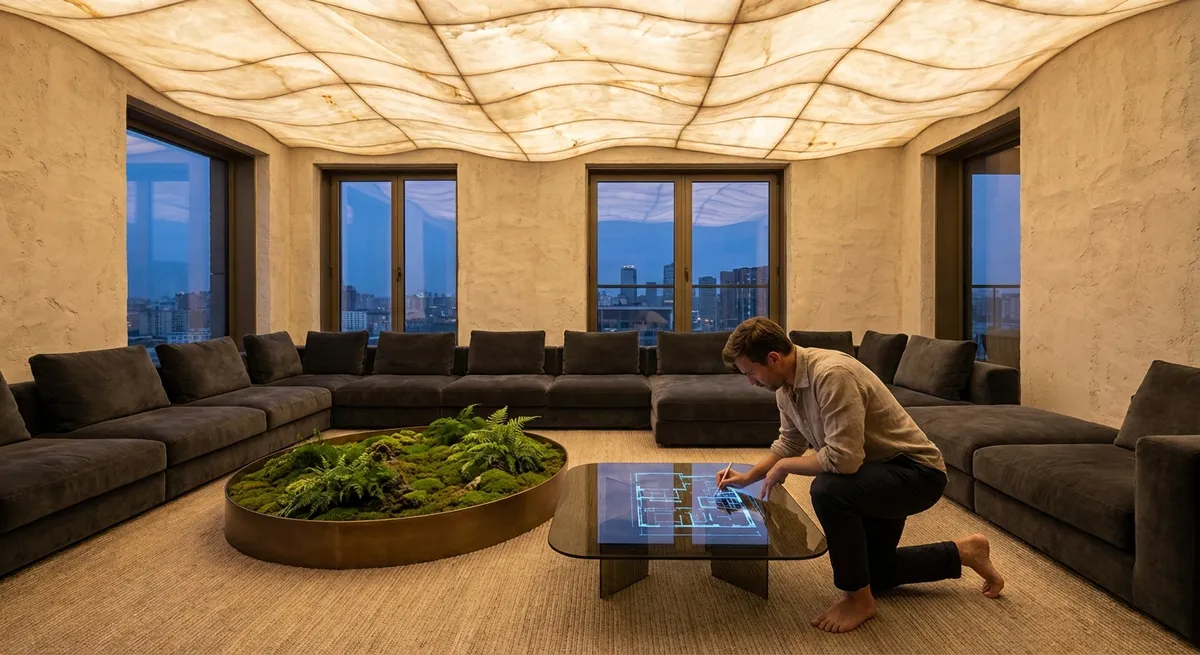
In refined renovations, lighting is no longer treated as an accessory selected at the end of a project; it is an architectural material planned from the first sketch. Instead of relying on a single dramatic pendant or overly bright recessed cans, designers are layering indirect, ambient, task, and accent lighting to sculpt the volume of a room. Cove lighting can make a ceiling float, while concealed LEDs under millwork or along stair treads add a barely-there glow that registers as atmosphere more than fixture. Dimmable, tunable-white systems that shift from cool daylight to warm evening tones are becoming a quiet hallmark of high-end projects, supporting both visual comfort and circadian rhythm. The true luxury here is control: multiple scenes pre-programmed for entertaining, working, dining, or late-night unwinding. When planned early, lighting is integrated with architecture and joinery, resulting in a space where the source is almost invisible, but the effect is unforgettable.
2. The Return Of Tactility: Material Palettes That Invite Touch
While glossy surfaces can photograph beautifully, they rarely age gracefully—or feel inviting to live with every day. The most considered renovations now prioritize tactility over shine, curating layered material palettes that invite touch. Brushed metals, honed stone, open-grain woods, and textural plasters are being favored over mirror-polished finishes. These materials develop a patina that reflects the life of the home rather than resisting it, turning minor marks and variations into part of the narrative. Pairing contrasting textures—such as a deeply veined stone next to a linen-wrapped panel or a hand-finished timber beside ultra-smooth lacquer—creates visual depth without needing bold color or pattern. Clients working at the higher end are increasingly requesting materials with provenance and craftsmanship embedded: hand-troweled limewash, bespoke terrazzo mixes, or locally sourced hardwoods. The result is a space that feels quietly rich in every interaction, even when the palette remains restrained and tonal.
3. Fluid Function: Spaces Designed For Multiple Lives In A Day
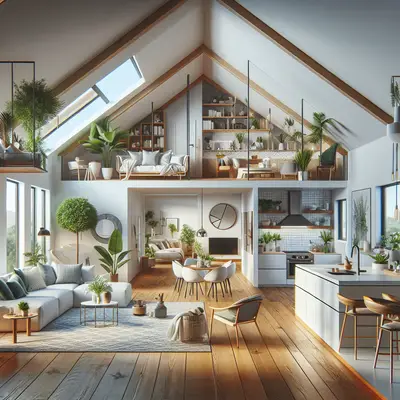
Modern luxury is less about square footage and more about adaptability. Rather than dedicating rooms to single, rigid purposes, thoughtful renovations are embracing spatial fluidity—creating environments that effortlessly shift roles as the day unfolds. A dining area might double as a discreet workspace with integrated power, concealed storage for technology, and acoustic treatments hidden within wall panels. Guest rooms often function as wellness retreats when unoccupied, equipped with built-in blackout strategies, flexible lighting modes, and space for yoga or stretching. Sliding or pivot doors, pocket walls, and finely detailed millwork are used to subtly close off or open up areas, controlling privacy without disrupting the architectural language. Integrated technology—such as hidden screens, retractable partitions, and smart shading—enables these transformations with minimal visual noise. For homeowners, this adaptability translates to longevity; the home stays relevant as routines, family structures, and working patterns evolve.
4. Performance Behind The Walls: Invisible Systems As The New Status Symbol
A growing number of sophisticated homeowners are prioritizing what can’t be photographed: the infrastructure that determines how a home feels and performs every day. Advanced HVAC systems with zoned climate control, improved air filtration, and humidity regulation are becoming as important a talking point as custom cabinetry. Radiant heating under stone or engineered wood floors creates a consistent, silent comfort that instantly elevates daily living. Thoughtfully planned acoustic insulation—between floors, around mechanical runs, and within partition walls—allows open-plan spaces to remain visually expansive while acoustically controlled. In kitchens and bathrooms, concealed ventilation, water treatment systems, and leak detection sensors protect both health and investment. Smart-home integrations are increasingly specified for reliability and discretion rather than showmanship: centralized control systems that simplify operation, reduce “wall clutter,” and ensure every element—from motorized shades to exterior lighting—responds harmoniously. The ultimate expression of luxury is a home that simply works, without asking for attention.
5. Curated Calm: Editing, Negative Space, And Intentional Display
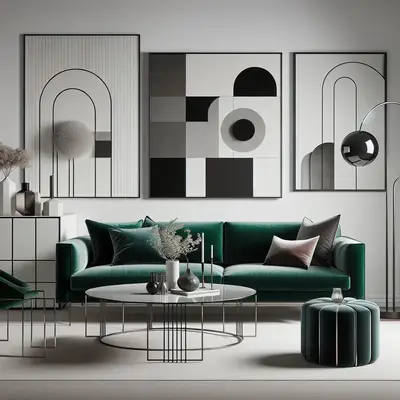
In the most elevated renovations, design is as much about restraint as it is about selection. Spaces are being edited with the discipline of a gallery: fewer pieces, each chosen with precision, given room to breathe. Built-in storage is designed not only for capacity but for concealment, allowing surfaces to remain clean and sightlines uninterrupted. Negative space—the areas left intentionally unfilled—becomes a design tool, drawing attention to architectural gestures, a single sculptural light, or a piece of art. Display niches, integrated shelving, and vitrines are tailored to specific collections, with dedicated lighting and finishes that honor what they hold. This curated approach extends to color as well; rather than chasing loud palettes, designers are orchestrating subtle tonal transitions that calm the eye and lengthen the sense of space. For homeowners, this philosophy translates into spaces that feel composed rather than crowded, where every visible element earns its place and contributes to a cohesive narrative.
Conclusion
The most compelling design trends in high-end renovations are not about spectacle; they are about precision, intention, and longevity. Architectural light that shapes mood, materials that grow more beautiful with time, rooms that adapt to real lives, systems that elevate comfort invisibly, and spaces curated with discipline—these are the new benchmarks of a truly refined home.
For homeowners planning their next renovation, the opportunity lies in looking past what will impress in a photograph and investing instead in what will quietly enrich everyday living. When design decisions are guided by how a space should feel, perform, and evolve, the result is a home that doesn’t just appear luxurious—it lives that way.
Key Takeaway
The most important thing to remember from this article is that this information can change how you think about Design Trends.