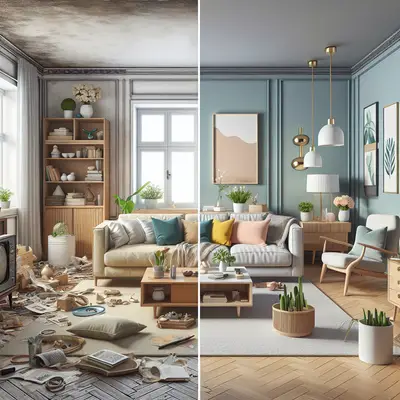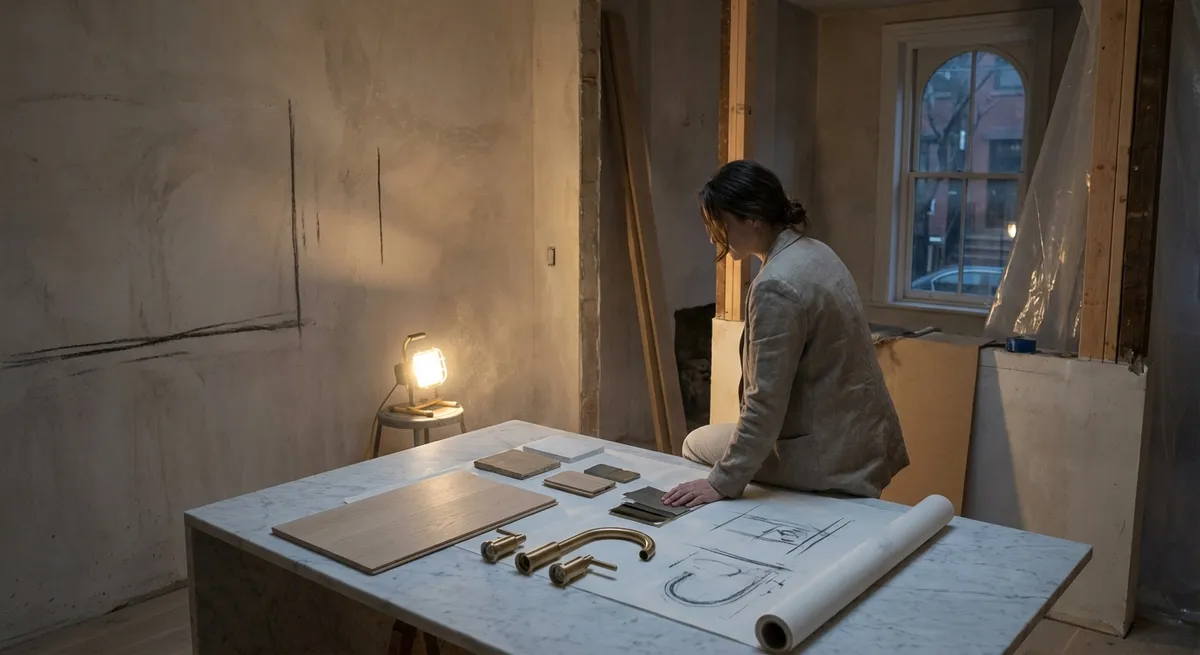
Renovation at a higher level is not merely about replacing finishes or increasing square footage; it is about orchestrating a home that moves gracefully through time. For the discerning homeowner, the true luxury lies in invisible planning, refined decision-making, and details that feel inevitable rather than decorative. This is renovation as quiet precision: deliberate choices that deepen function, serenity, and long-term value.
Below are five exclusive insights that speak to homeowners who expect more than a standard upgrade—those who view renovation as a long-term, lived-in investment in quality and calm.
Designing for the “Cadence” of Daily Life
Sophisticated renovation begins not with moodboards, but with patterns—how you actually live, move, and unwind.
Observe your household over several days and note when and where friction occurs. Is there a morning queue at a single sink? A perpetual pile of deliveries near the front door? A silent competition for natural light when working from home? These small frictions should shape your floor plan more than any trend.
Work with your architect or designer to map “activity corridors”: paths from bedroom to bathroom to closet in the morning, from kitchen to dining to living in the evening. Eliminate tight passages, awkward door swings, and bottlenecks. Consider subtle zoning, such as slightly widening hallways where two people often pass, or creating a micro-landing near the entry for keys, bags, and parcels.
The result is a home that feels uncrowded and composed even at its busiest moments. Luxury, in this context, is not marble or brass—it is the absence of daily annoyance.
The Art of Hidden Performance: Systems that Disappear
In exceptional renovations, the most impressive features are often the least visible. Mechanical systems—heating, cooling, ventilation, insulation, and acoustics—set the stage for comfort and calm but rarely command attention. Yet this invisible layer is where a renovation can be quietly extraordinary.
High-efficiency HVAC systems, properly sealed ductwork, and thoughtful zoning create rooms that are evenly comfortable without abrupt temperature changes. Superior insulation and air sealing reduce drafts and external noise, stabilizing the interior environment. Paired with sound-attenuating drywall and solid-core doors, you can create bedrooms and studies that feel almost hushed, insulated from the rest of the home.
Intelligent placement of vents, returns, and thermostats can preserve the clean lines of your design. Consider recessing linear diffusers into ceilings, integrating returns into millwork, and choosing low-profile devices that don’t intrude on sightlines. These upgrades rarely appear in listing photos, but you will feel their presence every day—and, over time, see them reflected in running costs and resale appeal.
Material Intelligence: Choosing for Patina, Not Perfection
Refined renovations recognize that the most luxurious materials are those that age with dignity. Instead of chasing the flawless showroom finish, think in terms of patina, resilience, and authenticity.
Natural materials—solid wood, real stone, unlacquered metals, limewash plasters—evolve. They develop faint marks, soft sheen, and subtle irregularities that tell a story of use. If chosen thoughtfully and sealed or finished appropriately, these materials can be both practical and enduring. For example, a honed stone countertop will show life differently than a polished one, often more forgiving of etching and light scratches. A hardwood floor with a matte finish can better disguise everyday wear than a high-gloss surface.
Balance these natural elements with strategic use of engineered materials in high-stress zones. Porcelain tile that convincingly mimics stone may be ideal for a heavy-use mudroom, while genuine stone is reserved for a powder room where exposure is more controlled. Specify materials not simply by appearance, but by how they will look—and feel—after five, ten, or twenty years.
This approach yields an interior that doesn’t fight time, but collaborates with it.
Curated Flexibility: Rooms that Anticipate Your Next Decade
A premium renovation assumes that your life will change—and designs accordingly. Rather than locking each room into a singular function, consider how spaces can flex with minimal disruption.
Secondary bedrooms can be planned with quiet home-office potential in mind: incorporate sound insulation in shared walls, position outlets and data ports thoughtfully, and ensure lighting is comfortable for both task work and rest. A guest room might be sized and wired to become a future nursery, study, or even a compact den.
In living areas, consider furniture and lighting plans during construction. Strategically placed floor outlets and multiple lighting circuits ensure that if you reorient seating, the space can still feel intentional. An “unassigned” room—a modest library now, perhaps a media room later—can be prepped with concealed wiring, reinforced walls for future built-ins, and neutral architectural detailing that suits multiple futures.
The most sophisticated luxury is not a single perfect layout for this year, but a quietly adaptable home that receives each new life chapter without requiring aggressive rework.
The Signature of Restraint: Editing for Visual and Emotional Calm
A truly elevated renovation often reveals itself not in what was added, but in what was disciplined enough to be left out. Visual stillness becomes a design objective.
Start with alignments: keep door heads, window heads, and major cabinetry lines consistent wherever possible. These alignments create a rhythm that feels orderly, even when the décor is layered. Minimize the number of different floor finishes; transitioning between too many materials can make a space feel busy and fragmented. Where transitions are necessary, specify clean thresholds or inlays that look intentional rather than improvised.
Conceal clutter at the architectural level: built-in storage in hallways, bench seating with hidden compartments near entries, appliance garages in kitchens, and integrated cable management in media zones. When you reduce the number of visible “things,” the quality of each visible detail matters more—and has room to be appreciated.
Restraint is not about austerity; it is about giving your best elements space to breathe. In such interiors, even quiet details—hand-finished hardware, a perfectly proportioned casing, the soft edge of a stone profile—feel amplified.
Conclusion
An exceptional renovation is not assembled from a catalog of trends; it is composed through observation, intention, and a respect for time. When you design around daily cadence, invest in invisible performance, choose materials for their patina, plan for flexible futures, and practice visual restraint, you create more than a beautiful home. You create a residence that feels coherent, calm, and quietly intelligent—today and in the decades ahead.
For homeowners who demand more than surface-level upgrades, this is the true measure of a premium renovation: spaces that feel as considered as they look, and as enduring as the life you plan to live within them.
Sources
- U.S. Department of Energy – Home Energy Upgrades – Guidance on efficient HVAC, insulation, and building envelope strategies that inform high-performance “invisible” upgrades
- Harvard Joint Center for Housing Studies – Improving America’s Housing – Research on long-term renovation trends, spending patterns, and value considerations
- Fine Homebuilding – Soundproofing Strategies – Practical techniques for acoustic comfort that support the concept of quiet, high-performing spaces
- University of Minnesota Extension – Choosing Durable, Low-Maintenance Materials – Insights into selecting interior materials for longevity and wear, relevant to patina and durability decisions
- American Institute of Architects (AIA) – Design for Aging in Place – Framework for planning flexible, future-ready spaces that can adapt gracefully over time
Key Takeaway
The most important thing to remember from this article is that this information can change how you think about Home Renovation.