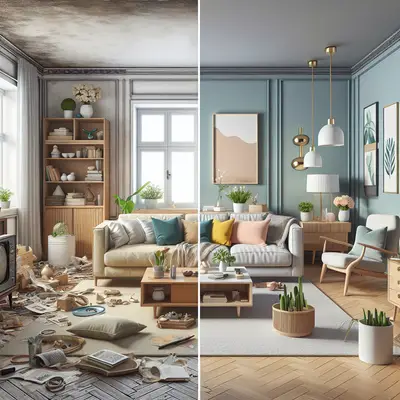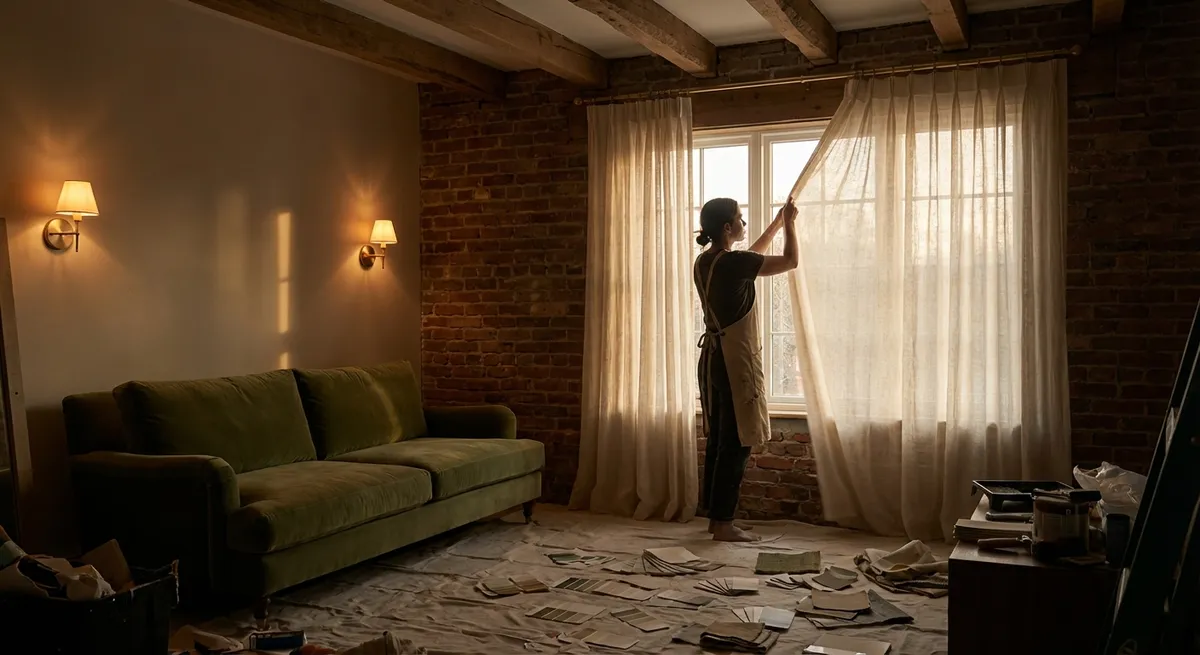
A considered renovation is no longer a matter of adding rooms and finishes; it is the quiet engineering of how a home feels, performs, and endures. For the discerning homeowner, the true luxury lies in the interplay of light, sound, proportion, and materiality—elements that rarely appear on a standard contractor’s quote, yet define the daily experience of living in a space.
What follows are five exclusive, often underleveraged insights that can elevate a renovation from competent to truly distinguished—insights that move beyond trend and into lasting, architectural poise.
Designing the Day: Orchestrating Light, Not Just Installing Windows
Most projects consider window size and placement as a byproduct of elevations. A more refined approach begins by choreographing light over the course of a day and season, then shaping the architecture around it.
Study how the sun moves through your property—where the first light falls, where afternoon glare is harsh, where dusk feels most tranquil. Use this analysis to assign functions to spaces: placing breakfast areas where they catch gentle morning light, positioning reading nooks in soft northern exposure, and reserving western light for social spaces where a bit of drama is welcome.
Consider layered glazing strategies: low‑emissivity (low‑E) glass for heat control, deeper exterior overhangs or pergolas to temper direct sun without heavy drapery, and clerestory windows to borrow light into interior corridors or powder rooms.
Inside, think of reflective surfaces—limed oak floors, honed stone, pale plaster—not as mere aesthetics but as light‑handling tools that bounce illumination more evenly across a room. When you design for daylight first and fixtures second, you create interiors that feel quietly luxurious even with minimal artificial lighting.
Acoustic Architecture: Crafting Silence and Sound with Intention
High-end renovation conversations are dominated by countertops and cabinetry, yet auditory comfort is one of the most powerful markers of perceived quality. Few homes are truly planned with acoustic experience in mind, even though the impact is immediate the moment you enter.
Begin by identifying where you want energetic sound—kitchens, playrooms, home gyms—and where you require a cocooned hush—bedrooms, studies, retreat spaces. Use this hierarchy to inform wall assemblies, door types, and layout adjacencies. Specifying solid-core interior doors, acoustic insulation in select partitions, and staggered or double-stud framing between noisier and quieter rooms can dramatically elevate the sense of privacy.
Within open-plan spaces, mitigate echo and clatter through a sophisticated mix of materials: wide-plank wood or quality engineered flooring paired with substantial rugs, upholstered seating in performance fabrics, textured wall treatments, and discreet acoustic panels integrated behind millwork or artwork.
Mechanical noise is equally critical. Prioritize ultra-quiet HVAC systems, resilient mounts for equipment, and thoughtful placement of condensers away from primary outdoor seating. A home that has been tuned acoustically reads as immediately “expensive,” even if the palette is otherwise minimalist.
Intelligent Infrastructure: Wiring the Home for the Next Decade, Not Just Today
True renovation intelligence lies in the layers no one sees. While smart-home devices can be added later, the underlying infrastructure is far more difficult—and costly—to retrofit. Early in the planning stage, treat your walls and ceilings as an opportunity to future‑proof.
Request a low-voltage plan separate from your general electrical layout. This should account for hard‑wired data lines in key locations (home office, media walls, potential future desk areas), strategically placed access points for Wi‑Fi coverage, and dedicated conduits for future technology upgrades. Even if you do not install the latest systems now, pre‑running conduit and junction boxes allows you to adapt without opening walls.
Think similarly about power density and flexibility. Layer general lighting circuits, task lighting, and accent lighting on separate controls and dimmers to create nuanced lighting scenes. Pre-plan outlet placement for motorized shades, art lighting, personal devices, and even anticipated furniture layouts so cords never interrupt the visual calm.
Finally, integrate mechanical and plumbing foresight: a capped gas line where an outdoor kitchen may one day live, plumbing rough-ins in unfinished basements or attics, or structural support for future roof decks or solar arrays. This invisible sophistication allows the home to gracefully evolve with you rather than resist adaptation.
Material Strategy: Marrying Tactility with Long-Horizon Performance
Luxury is not only what you see; it is how surfaces feel at 6 a.m. in bare feet and how they age over 10, 20, or 30 years. A refined renovation acknowledges patina, maintenance, and replacement cycles as part of the design language.
Develop a material strategy that distinguishes between “touch points” and “visual fields.” Touch points—door hardware, faucets, handrails, countertop edges, cabinet pulls—warrant the most durable and tactilely satisfying finishes you can reasonably justify: solid brass hardware, well-balanced levers, honed natural stone where daily contact is expected, and premium enamel or lacquer on cabinetry doors.
For large visual fields—flooring, wall treatments, ceiling finishes—prioritize dimensional stability, ease of maintenance, and timelessness over novelty. High-quality engineered wood with a generous wear layer, limewash or mineral paints with gentle movement, and matte porcelain or natural stone with subtle variation all age more gracefully than high-gloss, statement finishes that quickly date.
Pair this with a maintenance narrative. Ask your designer or contractor to provide not just specifications but care instructions and realistic lifespans: how often surfaces may need resealing, how finishes will react to sunlight, what minor wear will look like over the years. When your renovation is planned with patina in mind, the home does not deteriorate; it evolves.
Spatial Sequencing: Curating Transitions, Thresholds, and First Impressions
Many renovations focus on “hero rooms”—the kitchen, the primary suite, the great room—while neglecting the spaces that stitch them together. Yet hallways, entries, and thresholds define how the home is experienced moment to moment, and they are where elegance can be communicated most subtly.
Begin with the arrival sequence. Consider what a guest sees in the first three seconds after stepping inside: sightlines, a controlled view rather than an entire floor plate, perhaps a framed glimpse of a garden or a carefully lit piece of art. Use this compression and release—an intimate entry that opens into a more generous space—to create a sculpted sense of progression.
Corridors need not be purely functional. Modulate ceiling heights, introduce soft bends rather than rigid, endless lines, and use changes in flooring, light temperature, or wall texture to signal movement from public to private zones. Built-in niches, benches, or bookcases in transitional areas can bring purpose and character to what is often treated as leftover space.
Within rooms, carefully consider thresholds: the exact point where one material meets another, trim proportions around doorways, or how a cased opening frames the next space. This is where a home reads as custom rather than standard, tailored rather than merely “renovated.” The more thoughtfully you choreograph transitions, the more cohesive and calm the entire residence feels.
Conclusion
A truly elevated renovation emerges from decisions that are often absent from typical project checklists: how morning light is invited in, how conversation carries, how unseen infrastructure anticipates future living, how materials mature, and how the home guides you from one moment to the next.
When you design for atmosphere rather than for square footage alone, you create a residence that does more than impress on reveal day. It continues to unfold in quiet, intelligent ways—supporting your daily rituals, reflecting your priorities, and aging with a composure that feels steadily, unmistakably luxurious.
Sources
- U.S. Department of Energy – Energy Saver: Windows, Doors and Skylights - Detailed guidance on glazing, orientation, and strategies to optimize natural light and energy performance.
- Harvard Graduate School of Design – “The Acoustic Environment in Architecture” (search within site) - Academic discussions and resources on integrating acoustics into architectural design.
- National Institute of Standards and Technology – Smart Home Basics - Overview of smart-home infrastructure, interoperability, and long-term planning considerations.
- U.S. General Services Administration – Flooring Material Guidelines - Technical insights into flooring performance, durability, and maintenance across material types.
- American Society of Interior Designers (ASID) - Professional resources on spatial planning, circulation, and human-centered interior environments.
Key Takeaway
The most important thing to remember from this article is that this information can change how you think about Home Renovation.